
02 de setembro de 2026


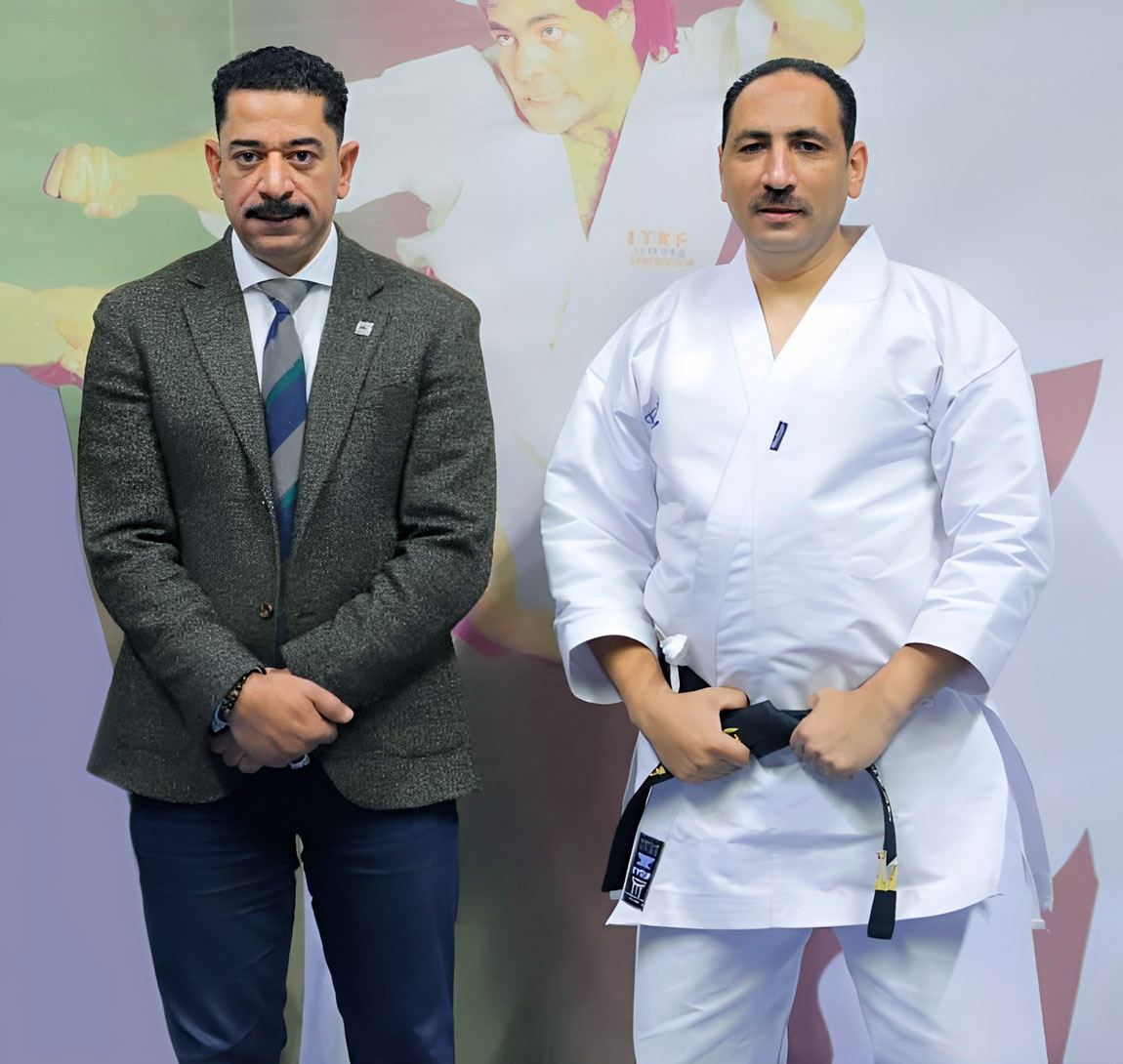 Sensei Ramy El Mekawy, President of the Egyptian Traditional Karate Federation and the African Traditional Karate Federation, alongside Mohamed Fawzy, Technical Director of the Egyptian Traditional Karate Federation © Archive
The ITKF Traditional Karate World Championship 2026, set to take place in Cairo, Egypt, arrives surrounded by high sporting, institutional, and symbolic expectations. To better understand the foundations that led to Egypt’s selection as host nation—and the guiding vision behind the organization of the event—Revista Budô interviewed two of the most influential leaders in Egyptian and African traditional karate today.
Sensei Ramy El Mekawy, President of the Egyptian Traditional Karate Federation and the African Traditional Karate Federation, as well as a member of the ITKF Global Board of Directors, is directly responsible for the institutional, political, and organizational coordination of the World Championship. Mohamed Fawzy, Technical Director of the Egyptian national traditional karate team and Assistant Member to the ITKF Technical Committee, represents the sporting pillar of the project, overseeing the preparation of the squad that heads into the World Championship as the reigning world champion—a title secured at the last edition held in Portugal. The interviews reveal not only the criteria that solidified Egypt’s position as host nation, but also the strategic, cultural, and sporting vision shaping the construction of the ITKF Global World Championship 2026 as a benchmark event for traditional karate on the world stage.
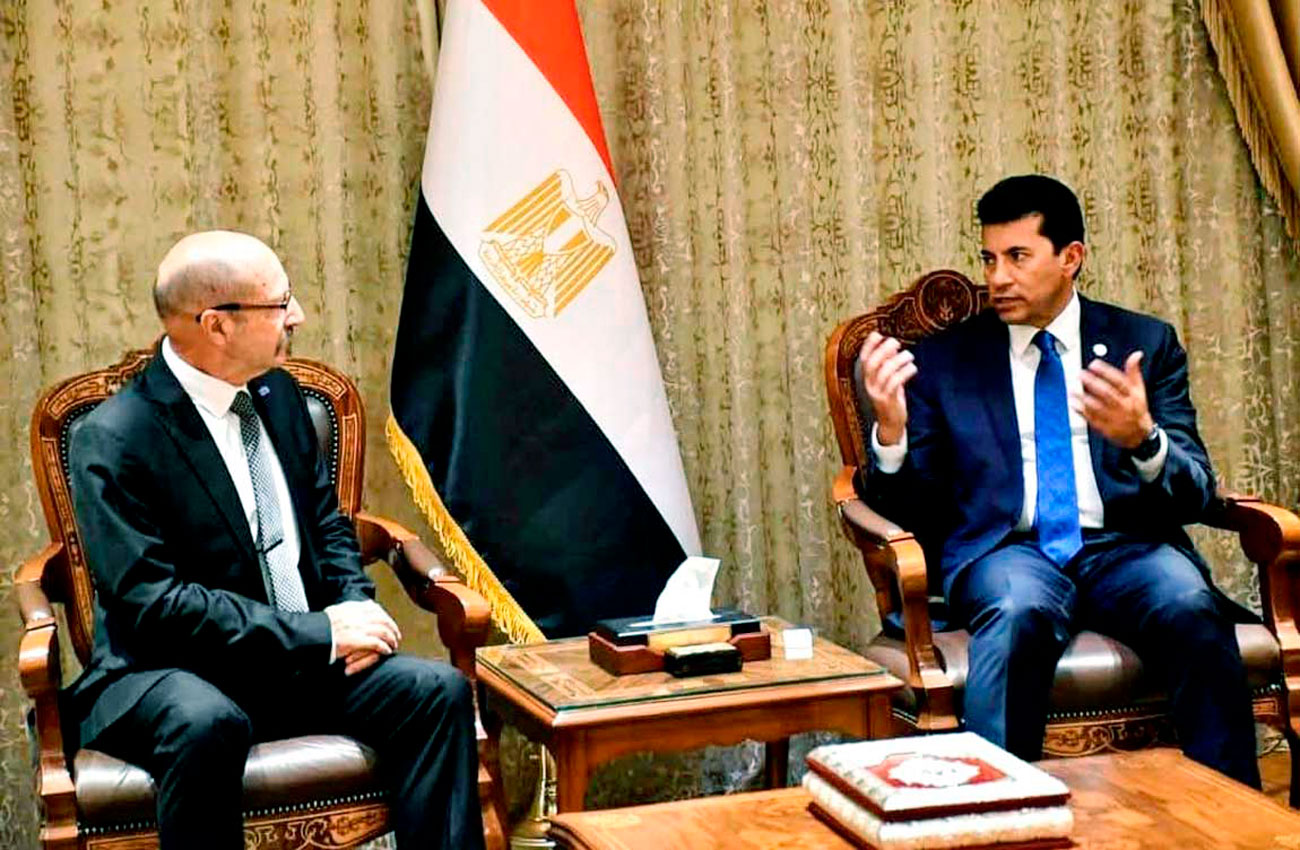
ITKF Global Chairman Gilberto Gaertner during an official meeting with Egypt’s Minister of Sports, Dr. Ashrof Sobhy © Ahmed Fouad
The interviews reveal not only the criteria that solidified Egypt’s position as host nation, but also the strategic, cultural, and sporting vision shaping the construction of the ITKF Global World Championship 2026 as a benchmark event for traditional karate on the world stage.
The selection of a host nation for an ITKF World Championship does not follow tradition, geographic rotation, or circumstantial political decisions. Instead, it is a competitive process led by ITKF Global, grounded in previously established technical, institutional, and logistical criteria.
For the ITKF Traditional Karate World Championship 2026, the bidding process featured three solid candidacies – Egypt, Poland, and Romania – each with a strong track record in the discipline and proven capacity to host an event of global scale.

Ramy El Mekawy, Gilberto Gaertner, and ETKF officials inspect the Sports City arena in Cairo, one of the venues evaluated during the ITKF 2026 host selection process © ITKF Global
According to Sensei Ramy El Mekawy, the selection process was marked by a plural and rigorous evaluation, conducted on equal terms among all candidate countries. “The host selection followed a competitive and transparent process, in which all bids were assessed based on objective criteria,” he explains.
Within this framework, Egypt’s bid stood out for a combination of technical and institutional strengths. “Egypt was selected after a thorough evaluation that recognized our experience in organizing major events, the robustness of our sports infrastructure, institutional stability, and strong governmental support for sport,” El Mekawy states.
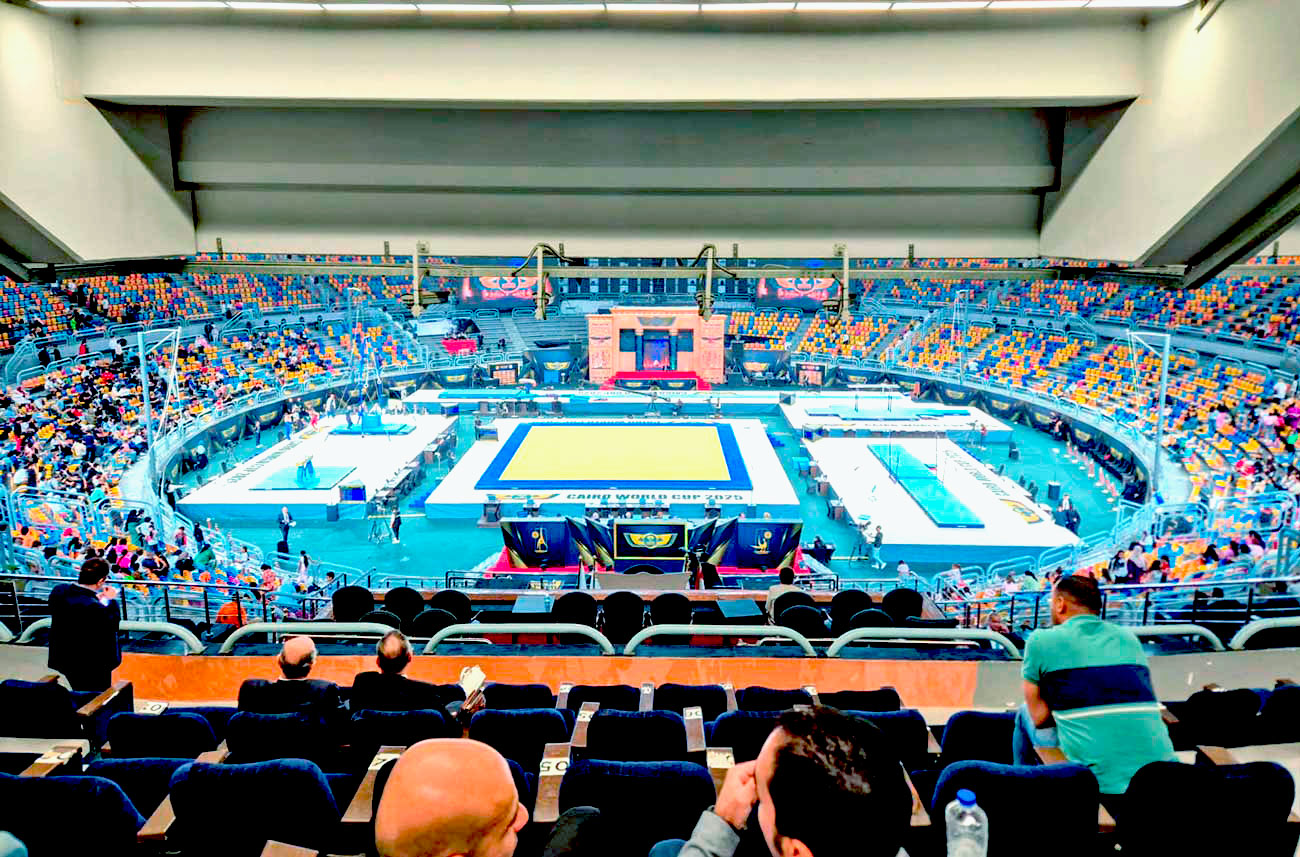
Main arena of the Cairo International Stadium, one of the largest sports complexes in Egypt © Ahmed Fouad
For the federation leader, the process underscores ITKF Global’s democratic character and institutional seriousness. “This evaluation model demonstrates the international federation’s commitment to clear technical standards and transparency in the selection of its major events,” he concludes.
The confidence placed by ITKF Global in Egypt’s bid was not limited to material or logistical considerations. According to El Mekawy, the country’s accumulated organizational experience over the years and the level of institutional credibility it has built within the international federation weighed decisively in the final decision.
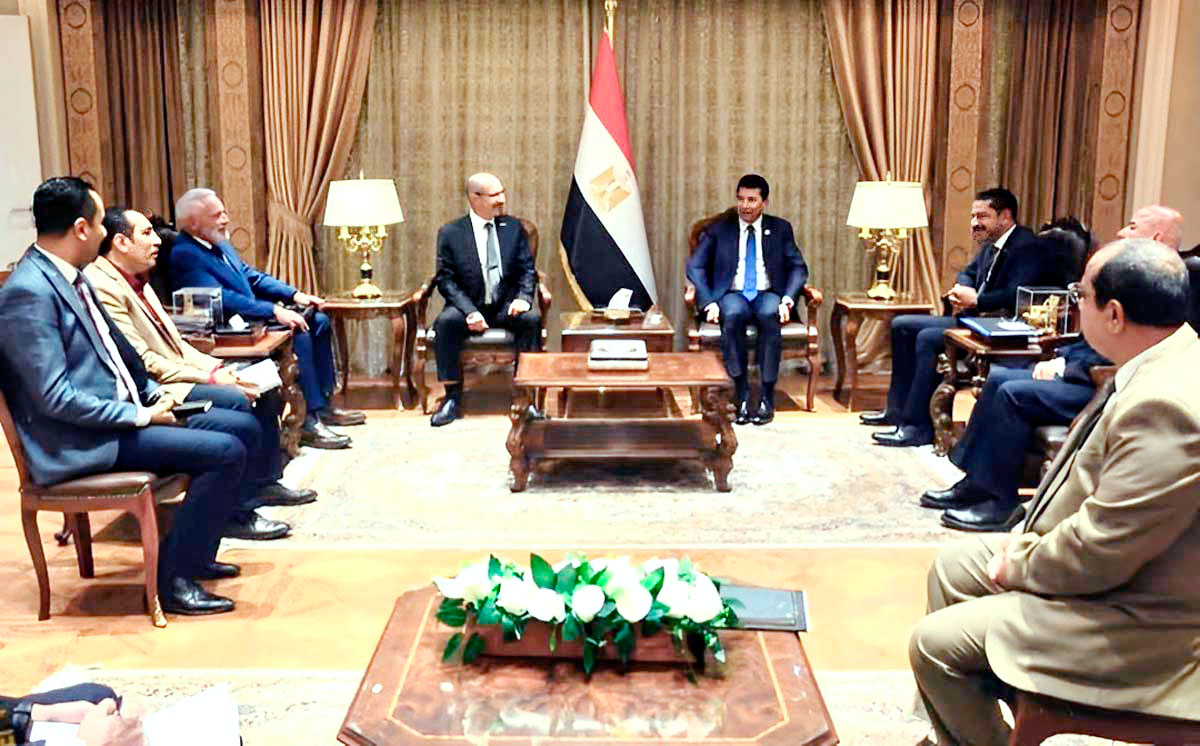
Institutional meeting at the Egyptian Ministry of Sports during the ITKF Global mission to Egypt © Ahmed Fouad
This combination of technical capacity, institutional stability, and a consistent record of international engagement proved crucial in setting Egypt’s candidacy apart in a highly competitive process—reinforcing ITKF Global’s image as an organization guided by principles of governance, meritocracy, and sporting legitimacy.
In designing ITKF 2026, the Egyptian organizers adopted an expanded concept of what a world championship should represent. The goal, according to El Mekawy, is for the event to go beyond a strictly competitive framework and establish itself as a global sporting experience—one that integrates technical excellence, professional organization, and cultural identity.
“ITKF 2026 was conceived to be more than a championship; it is a complete global sporting experience,” he states. In this vision, Egypt aims to offer an environment in which the high technical standards of traditional karate engage directly with the country’s history and cultural identity. “Egypt provides a unique setting where sporting excellence meets history and identity, creating an unforgettable experience for athletes, coaches, and delegations.”
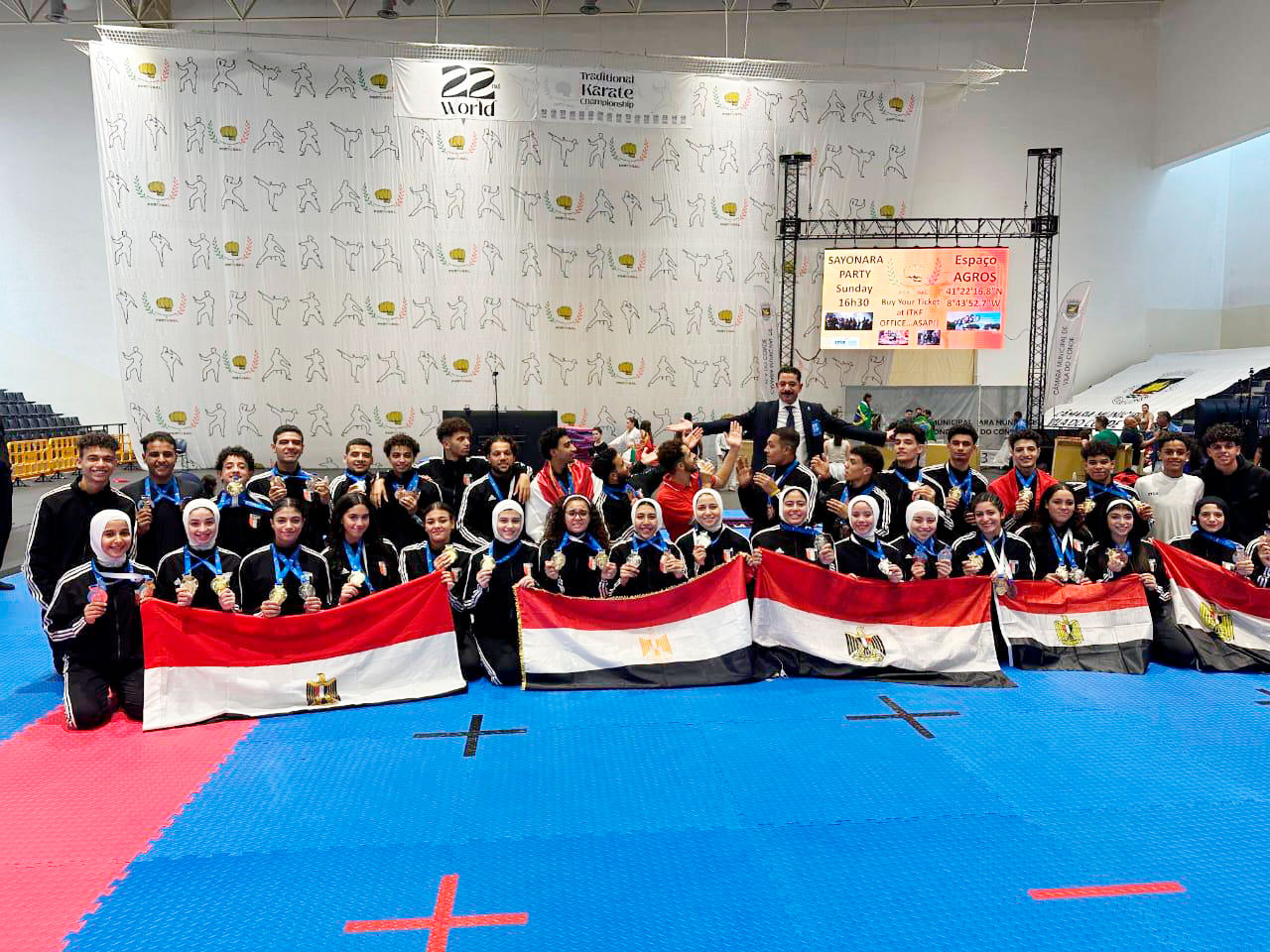
Sensei Ramy El Mekawy alongside members of the Egyptian national team medalists at the ITKF Traditional Karate World Championship held in Portugal © Ahmed Fouad
The project also envisions that the World Championship experience will extend well beyond the competitive space of the shiai-jō. Seminars, educational activities, and community engagement initiatives are planned, strengthening the sense of unity and exchange among delegations. Cultural immersion, according to the federation leader, is a central pillar of the project.
“The championship will be deeply rooted in the cultural and educational values of traditional karate,” El Mekawy explains, highlighting the inclusion of clinics dedicated to dōjō philosophy, mental discipline, and ethical training, all aligned with ITKF principles. Specialized workshops will seek to connect the Okinawan origins of karate with Egyptian cultural landmarks—such as the Pyramids and the Bani Mazar region—promoting a formative experience that transcends sporting results.
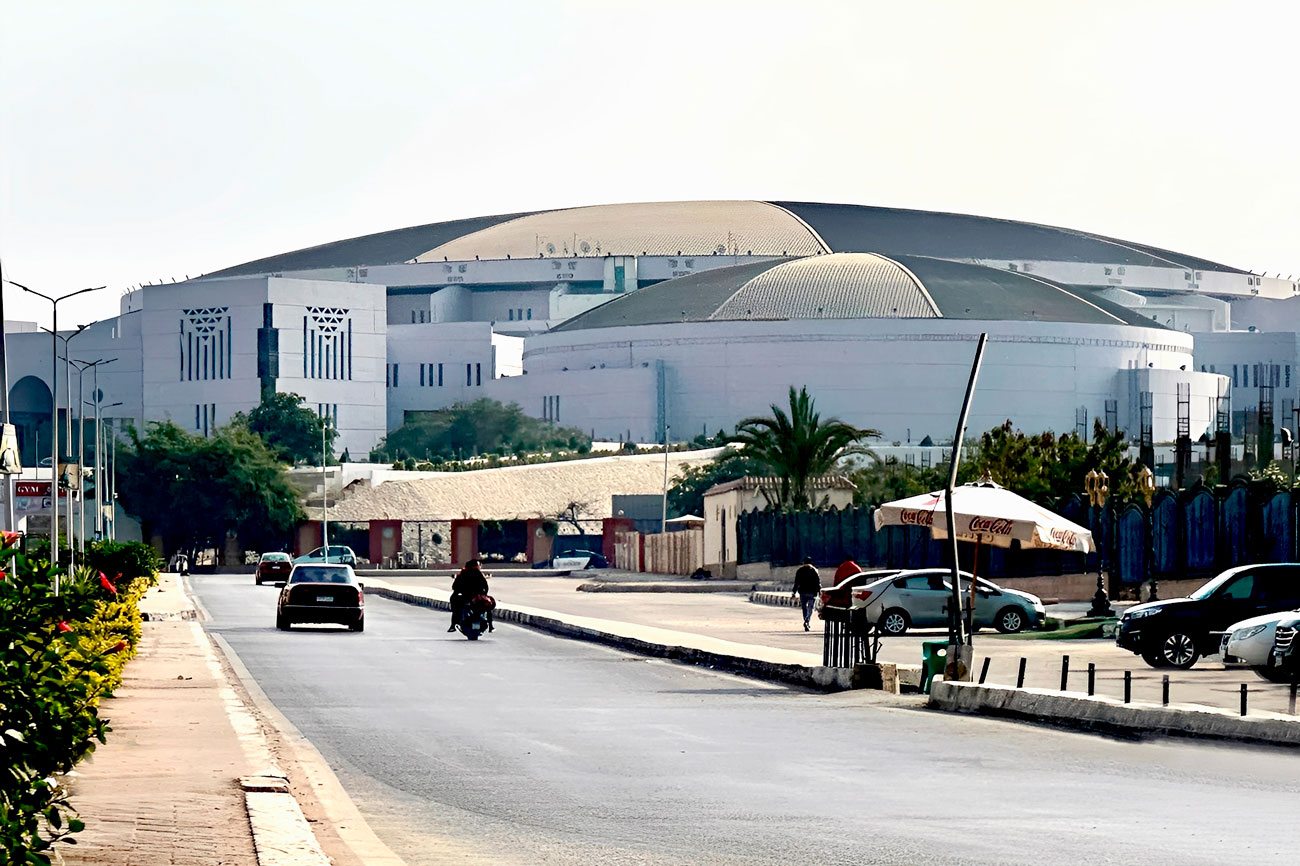
Exterior view of the Cairo International Stadium, part of the sports complex designated for the ITKF World Championship 2026 © Archive
From an organizational standpoint, ITKF 2026 aims to set new benchmarks for hosting World Championships in the discipline, featuring state-of-the-art facilities, expanded athlete support services, and a logistics structure designed to welcome delegations from more than 80 countries. The inclusion of parakarate and the provision of dedicated training facilities are integral elements of this strategic design. For Mohamed Fawzy, Technical Director of the Egyptian Traditional Karate Federation, this level of structure directly reflects the responsibility assumed by the country as both host and reigning world champion, demanding “flawless execution, both technically and organizationally.” In Sensei Ramy El Mekawy’s assessment, the model seeks to “educate as much as it competes,” strengthening the global legacy of traditional karate.

Beyond its sporting dimension, the ITKF World Championship 2026 was designed to reaffirm the philosophical and educational foundations that underpin traditional karate. According to Sensei Ramy El Mekawy, this approach finds a natural resonance in Egypt’s own history, as one of the world’s oldest civilizations—deeply associated with education, discipline, and the ethical formation of the individual.
“Traditional karate is deeply rooted in education, discipline, and ethical values—principles that resonate strongly with ancient Egyptian civilization,” the leader explains. This symbolic convergence will be reflected in the overall atmosphere of the event, in strict adherence to traditional protocols, and in the structure of complementary programs accompanying the championship.
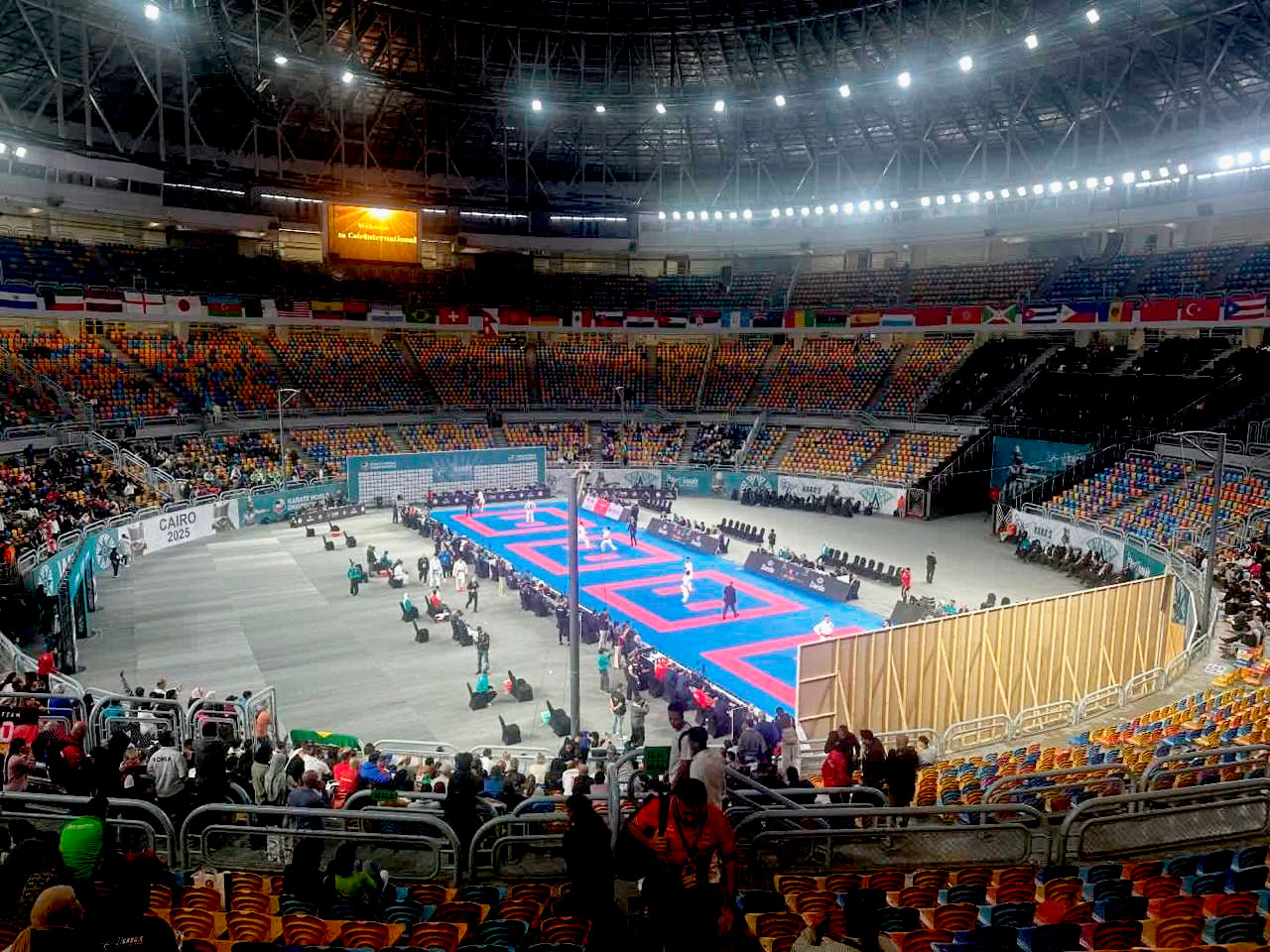
Traditional karate competition held at the Cairo International Stadium © Archive
The objective, El Mekawy notes, is to reaffirm karate as a lifelong path of human development. “The championship will emphasize karate as a journey of personal growth over a lifetime, not merely competitive success,” he states—an interpretation that repositions the World Championship as a formative space, fully aligned with the historical principles of ITKF.
Delivering an event of this scale and ambition requires a solid institutional foundation. In this regard, ITKF 2026 is supported by a network of strategic partnerships that ensure stability, sound governance, and international standards of execution.
According to El Mekawy, the organization of the championship is underpinned by close cooperation with the Egyptian Ministry of Youth and Sports, the Egyptian Olympic Committee, and the African Traditional Karate Federation. “The championship is supported by strong institutional partnerships,” he emphasizes.
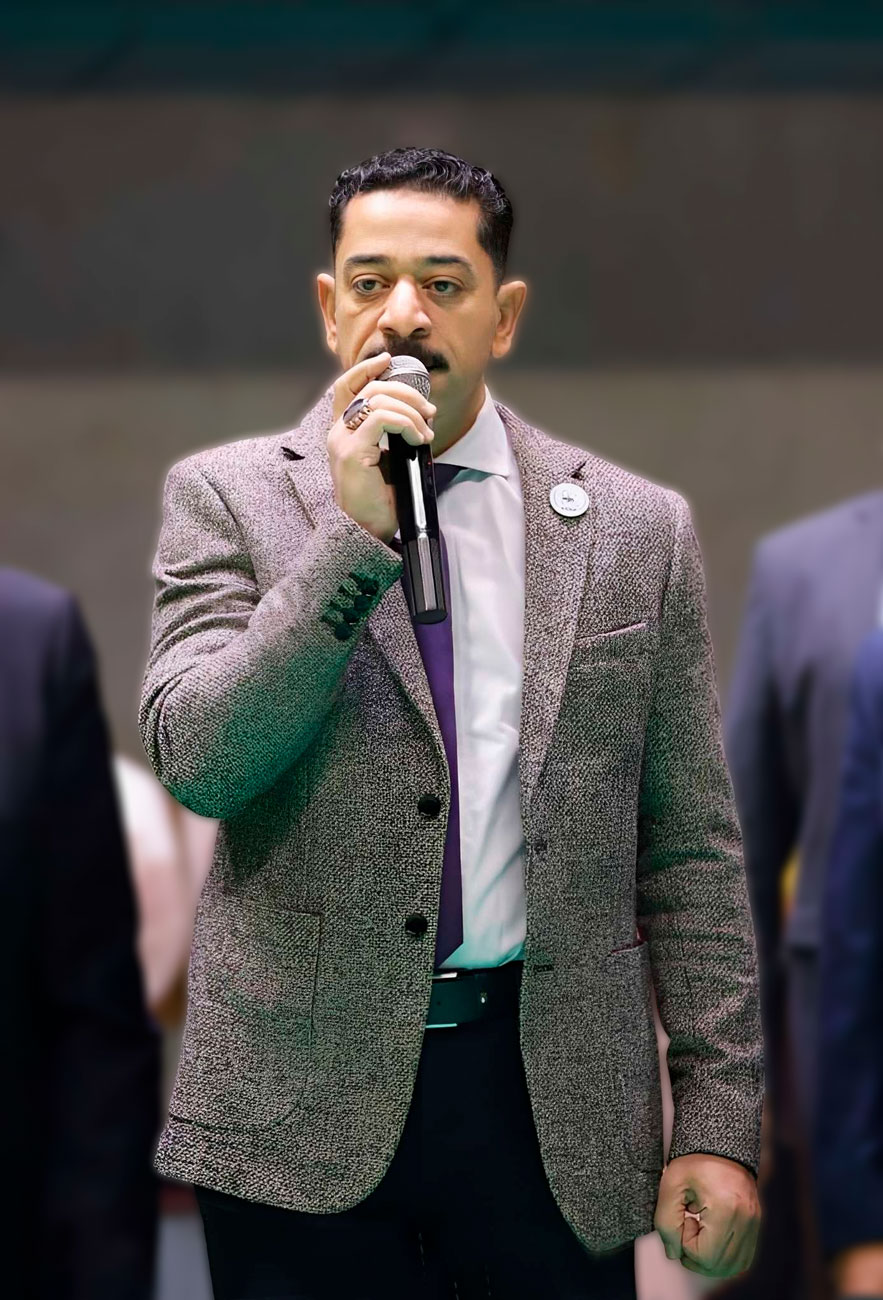
Sensei Ramy El Mekawy delivering remarks during the opening ceremony of the African Open Traditional Karate Championship © Archive
Beyond these core entities, local authorities and international bodies are actively involved in the process, ensuring technical, logistical, and administrative compliance. The objective, the leader explains, is to deliver a World Championship “at the highest international standards,” fully aligned with ITKF Global requirements.
While the Local Organizing Committee plays a decisive operational role, the planning of ITKF 2026 is built on a model of shared governance at the global level. El Mekawy stresses the existence of continuous collaboration with ITKF Global leadership.
“There is ongoing collaboration with the leadership of ITKF Global, headed by Professor Dr. Gilberto Gaertner,” he states, also highlighting the involvement of a group of international technical and administrative leaders with extensive experience. This core group works directly on shaping the event’s strategic vision and ensuring impeccable technical and institutional execution.
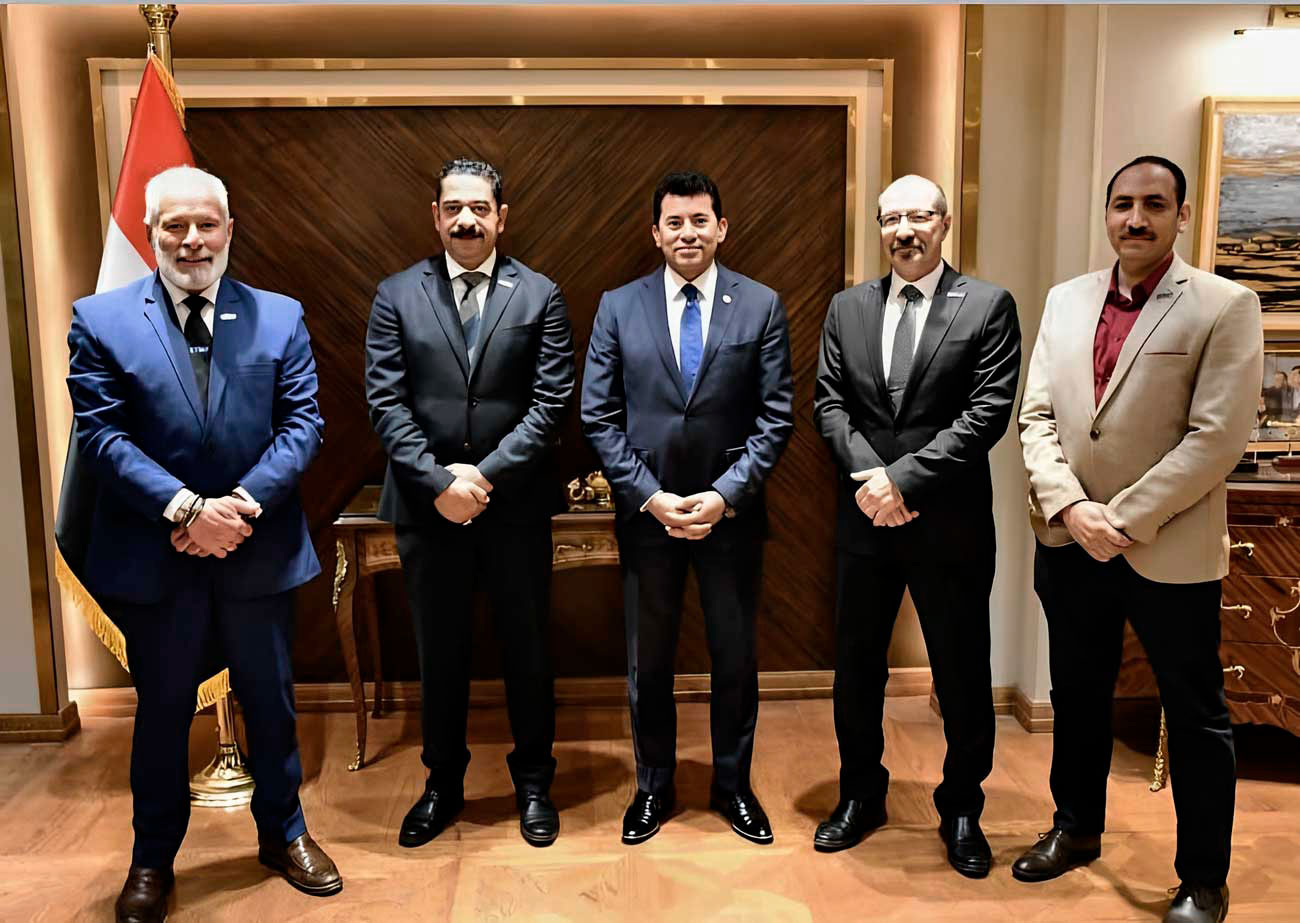
Rui Marçal, Ramy El Mekawy, Dr. Ashrof Sobhy, Gilberto Gaertner, and Mohamed Fawzy during a meeting at the Egyptian Ministry of Sports © Ahmed Fouad
From a legacy perspective, El Mekawy believes that ITKF 2026 will generate structural effects extending well beyond Egypt’s borders. Expectations point to a lasting impact on the development of traditional karate throughout Africa and the Middle East.
“Hosting ITKF 2026 will raise technical standards, expand participation among emerging practitioners, and strengthen Egypt’s role as a regional and international hub for traditional karate,” El Mekawy projects. In this context, the World Championship is viewed not merely as a standalone event, but as a catalyst for technical, institutional, and cultural growth in a strategically important region of the global landscape.
Hosting a World Championship already entails a high level of organizational responsibility. In the case of ITKF 2026, this responsibility is further intensified by the fact that Egypt arrives not only as host nation, but also as the reigning world champion of the discipline—a title secured at the most recent edition held on European soil.
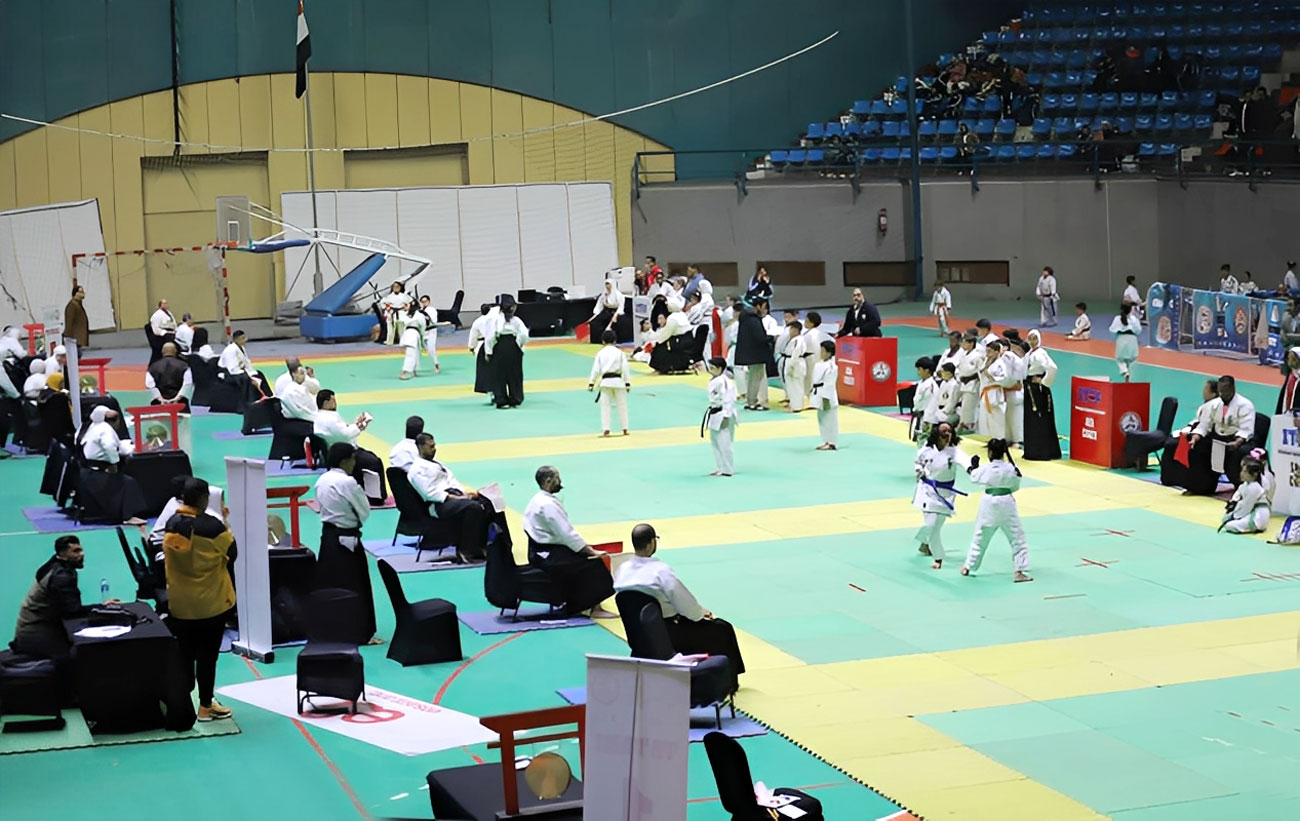
Action scene from the African Open Traditional Karate Championship © Archive
For Sensei Ramy, this dual role significantly raises expectations on all fronts. “Arriving as host nation and reigning world champion places an additional level of responsibility on Egypt,” he affirms. According to him, this condition demands excellence not only on the tatami, but also in the institutional conduct of the event. “This dual role requires excellence in organization, fairness, and transparency, ensuring that the championship reflects the highest standards and values of traditional karate.”
The perspective presented by the leader reinforces that sporting success is not treated as a symbolic advantage, but rather as an ethical commitment to technical quality and to the World Championship’s international credibility.
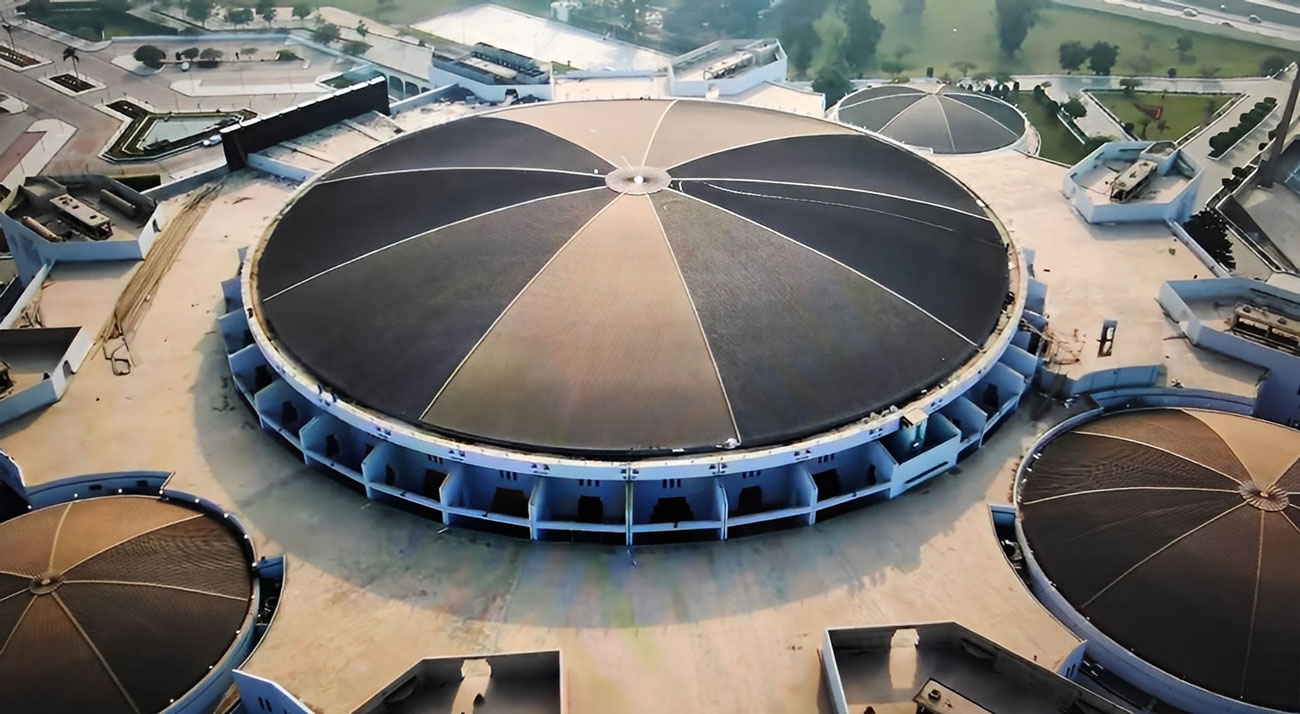
Aerial view of the Cairo International Stadium sports complex © Archive
Maintaining a position at the top, however, requires more than isolated results. El Mekawy highlights that Egypt’s leadership in the traditional karate landscape is sustained by structured planning and by a sporting philosophy fully aligned with ITKF principles.
“Sustaining success requires long-term vision and a solid technical foundation,” he explains. According to him, Egypt continuously invests in the development of athletes, coaches, and referees, supported by structured planning and a sporting philosophy firmly rooted in the authentic principles of traditional karate. This combination, the leader concludes, enables Egypt to maintain consistent performance at the highest international level.
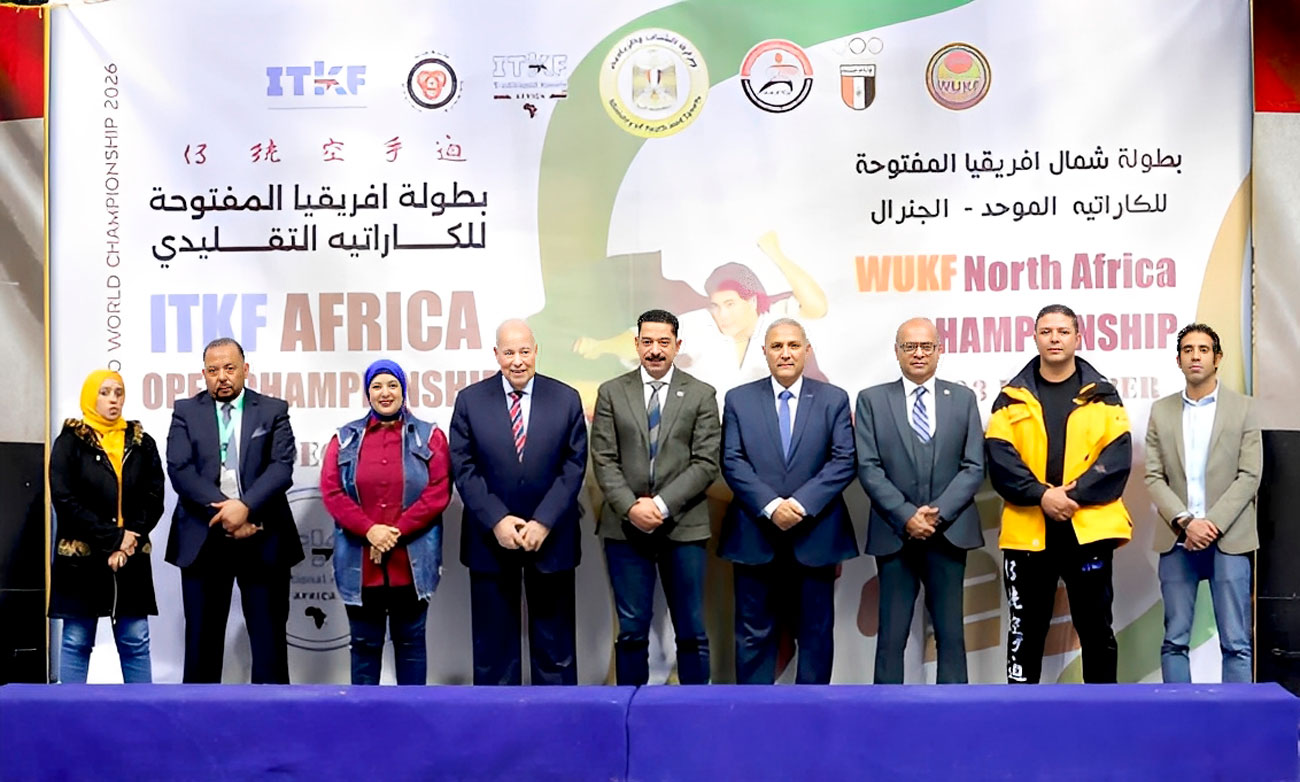
Federation officials during the opening ceremony of the African Open Traditional Karate Championship © Archive
In El Mekawy’s assessment, the fact that the host nation is also among the leading competitive powers in traditional karate directly contributes to strengthening the event’s technical level. “When the host country is also a competitive powerhouse and the reigning world champion, it elevates both the technical standard and the international credibility of the championship,” he states.
According to him, this scenario creates an even more demanding competitive environment and reinforces confidence not only among athletes and national federations, but also among institutional partners and investors. Within this context, ITKF 2026 positions itself as an event capable of combining technical excellence, organizational stability, and sporting legitimacy.
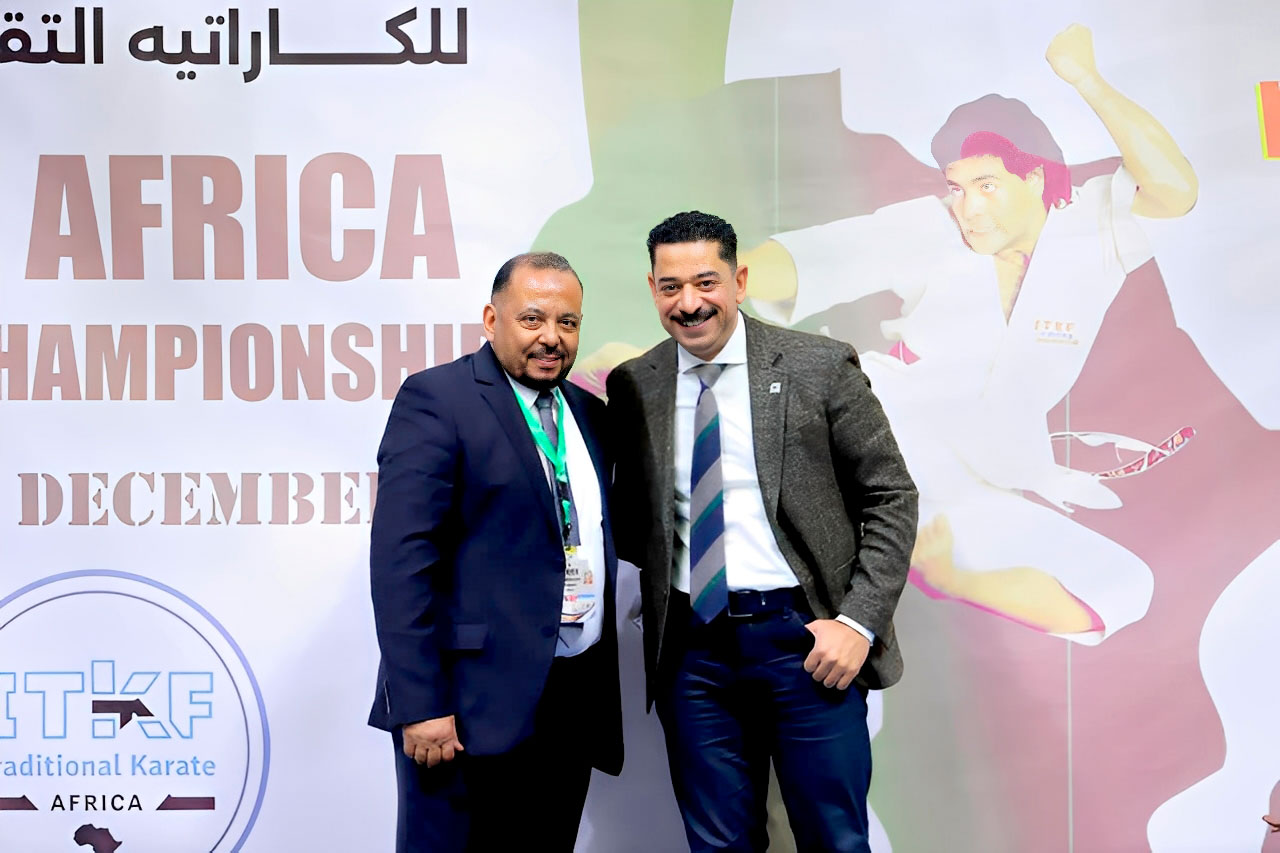
Ramy El Mekawy with Albrahim El Masry, Director of Refereeing of the Egyptian Federation © Archive
When addressing the broader impacts of the event, El Mekawy emphasizes that the World Championship will have direct effects on the development of traditional karate in Egypt, across Africa, and throughout the Middle East. According to him, hosting ITKF 2026 will drive the expansion of dōjōs and youth-oriented programs, strengthen continental development through African qualification pathways, and increase the discipline’s visibility in the region.
“This positions Egypt as a regional hub, inspires investment, and fosters talent development beyond national borders,” he summarizes, projecting a legacy that extends well beyond the immediate competitive cycle.

Sensei Ramy El Mekawy alongside members of Egypt’s youth team during the African Open Traditional Karate Championship © Archive
In a complementary statement, Mohamed Fawzy, Technical Director of the Egyptian Traditional Karate Federation (ITKF), deepens the analysis from a sporting perspective. For him, the dual status of reigning world champion and host nation significantly increases the technical responsibility of the Egyptian team.
“As reigning world champions, Egypt’s status raises both technical and organizational responsibilities, demanding flawless execution to match our competitive capacity,” Fawzy states. According to the leader, this dual role not only requires high performance, but also inspires elevated standards, while reinforcing the commitment to organizational excellence.
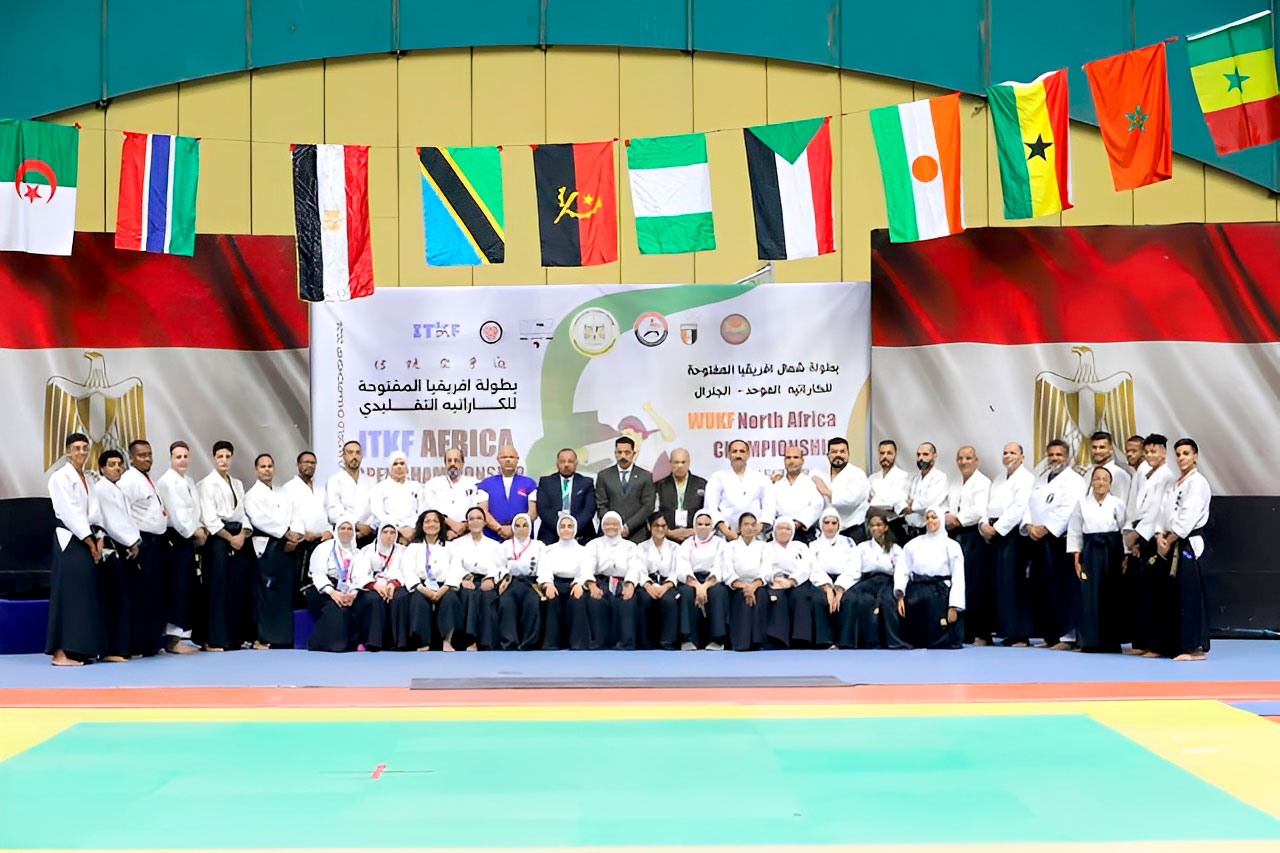
Officials with the refereeing team that officiated at the African Open Traditional Karate Championship © Archive
Fawzy highlights that this consistency is sustained by a robust technical structure, built on certified coaches, long-term planning, and regular technical courses. “Our philosophy is rooted in the purity and discipline of Shotokan karate,” he explains, also underscoring continuous investment in training camps and international exchanges as decisive factors in maintaining Egypt’s leadership.
In closing, Sensei Ramy El Mekawy delivers a direct message to the international traditional karate community. “I invite the global traditional karate community to prepare for a truly exceptional World Championship,” he declares.
Hosted in a country renowned for its millennia-old history and its experience in organizing major international events, ITKF 2026 will be further enriched, according to the leader, by access to iconic historical sites and the inauguration of the Grand Egyptian Museum. “It will be a unique convergence of sport, culture, and universal values,” he projects.
In the same spirit, Mohamed Fawzy reinforces the invitation with a mobilizing tone: “Prepare yourselves with discipline and unshakable strength. Egypt welcomes you to a historic championship that combines competition, culture, and camaraderie. Train relentlessly—Cairo 2026 will celebrate the spirit of traditional karate and forge lasting bonds.”

02 de setembro de 2026
31 de agosto de 2026

31 de agosto de 2026