
14 de outubro de 2026


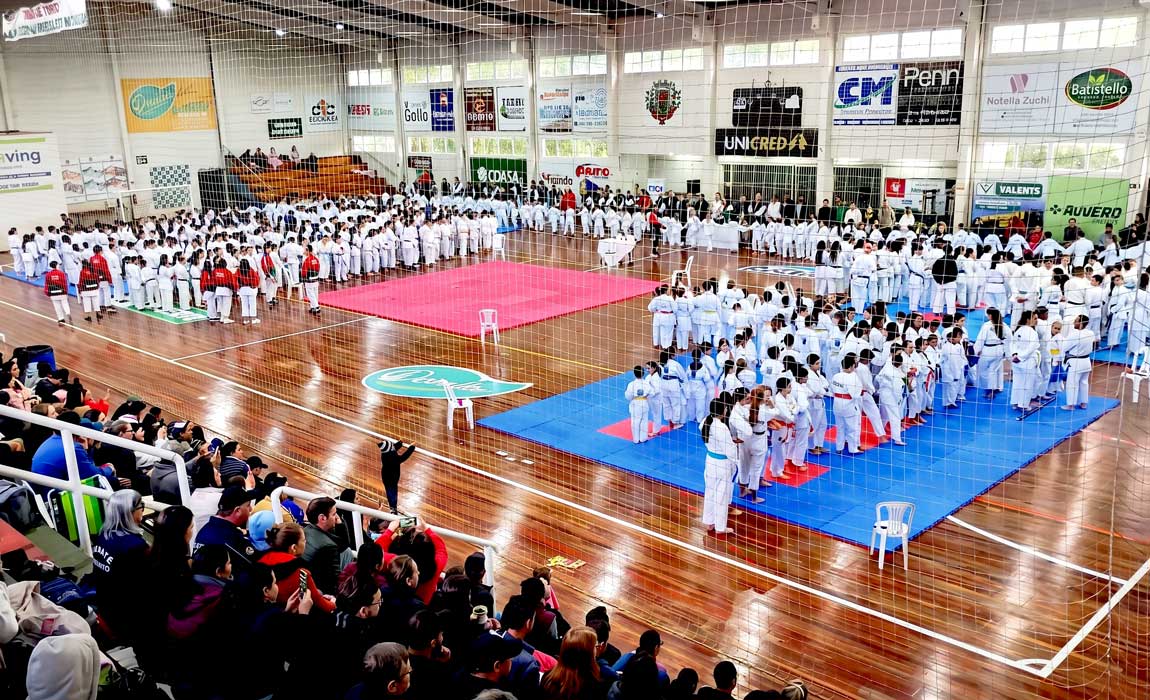 Teams lined up during the opening ceremony of the 4th Gaúcho Festival of Karate Social Projects, held in Casca, Rio Grande do Sul © ASKM
Supported by the Municipality of Casca through its Department of Education, Culture and Sports, and officially sanctioned by the Brazilian Confederation of Traditional Karate (CBKT), the Rio Grande do Sul Traditional Karate Federation (FSRKT) and ITKF Global, the Shobu-kan Karate-Dô Association of Marau organized the 4th Gaúcho Festival of Karate Social Projects.
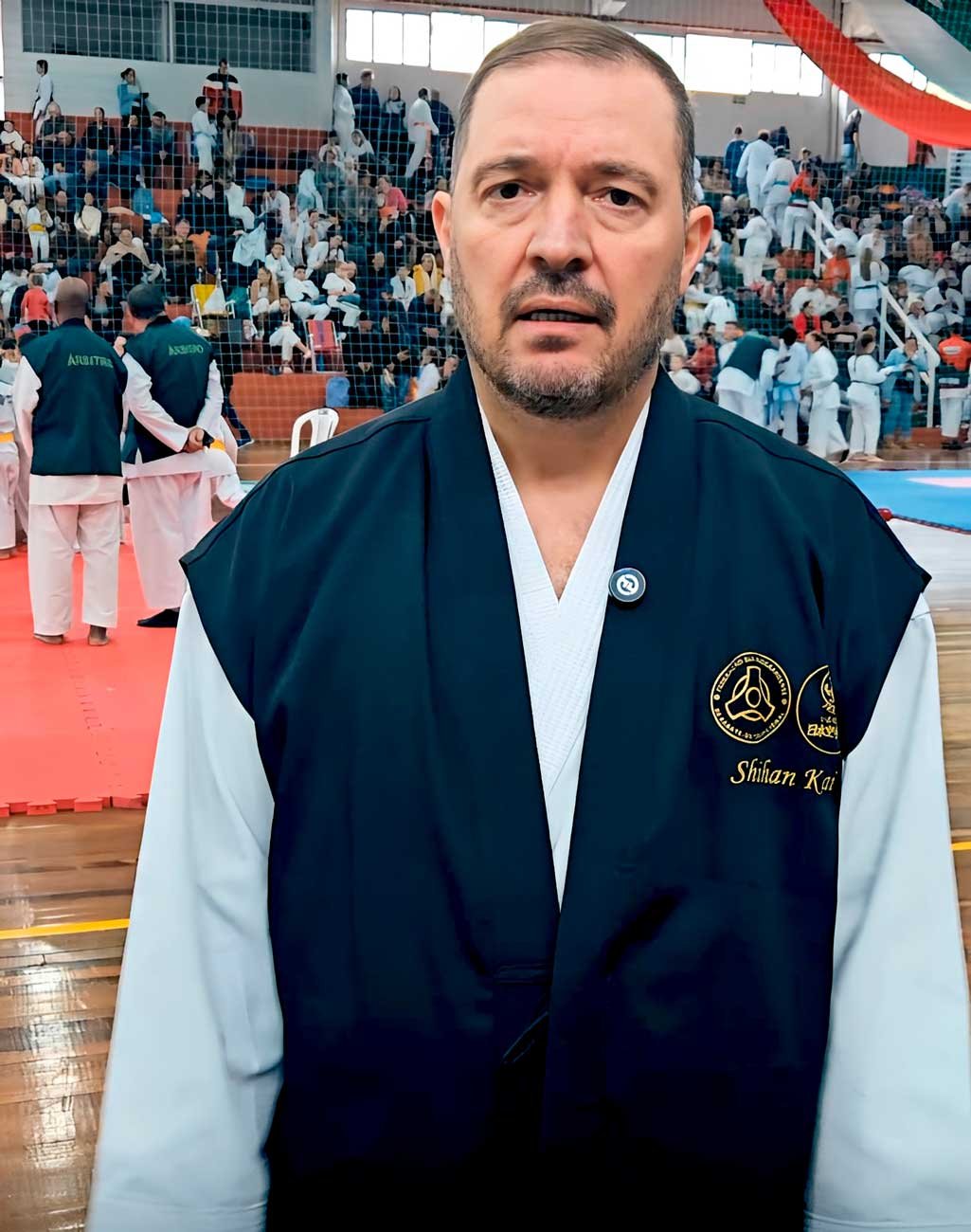
Sensei Juarez da Silva, creator and organizer of the 4th Gaúcho Festival of Karate Social Projects, highlighted the role of sport in human development and the inclusion of children and teenagers © ASKM
Held on May 16 at the Maurilio Rodrigues de Silva Municipal Gymnasium, the event brought together 676 children and teenagers up to 17 years old from 27 municipalities across the state of Rio Grande do Sul. Participants ranging from white belt to brown belt competed in individual kata and kumite divisions across five kotos.
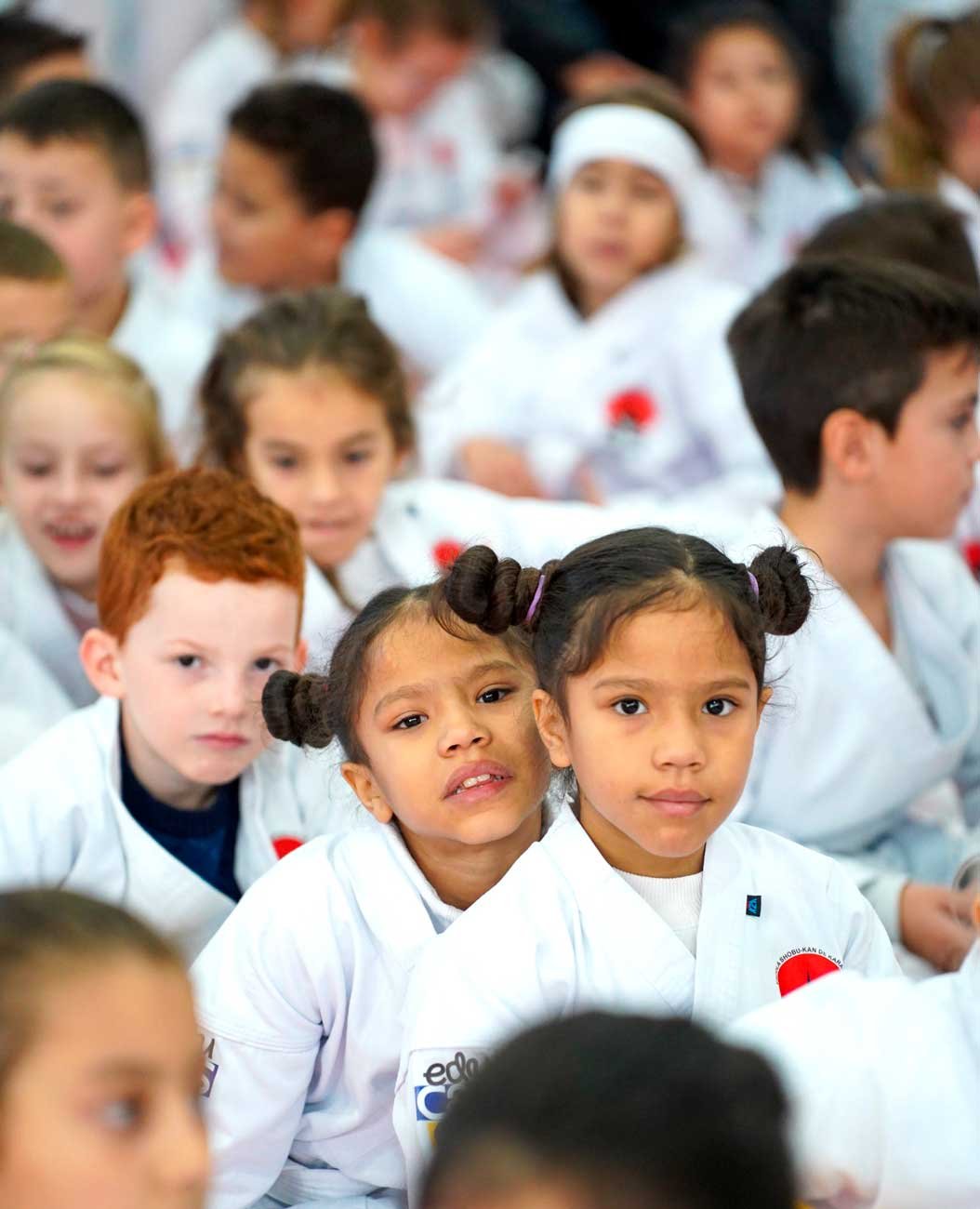
Children follow the opening ceremony of the 4th Gaúcho Festival of Karate Social Projects © ASKM
Completely free of charge for all participants, the festival once again reaffirmed the commitment of the organizing institutions to social inclusion, citizenship development and human growth through sport. More than simply a competition, the gathering emphasized karate as a tool for social transformation and the strengthening of human values.
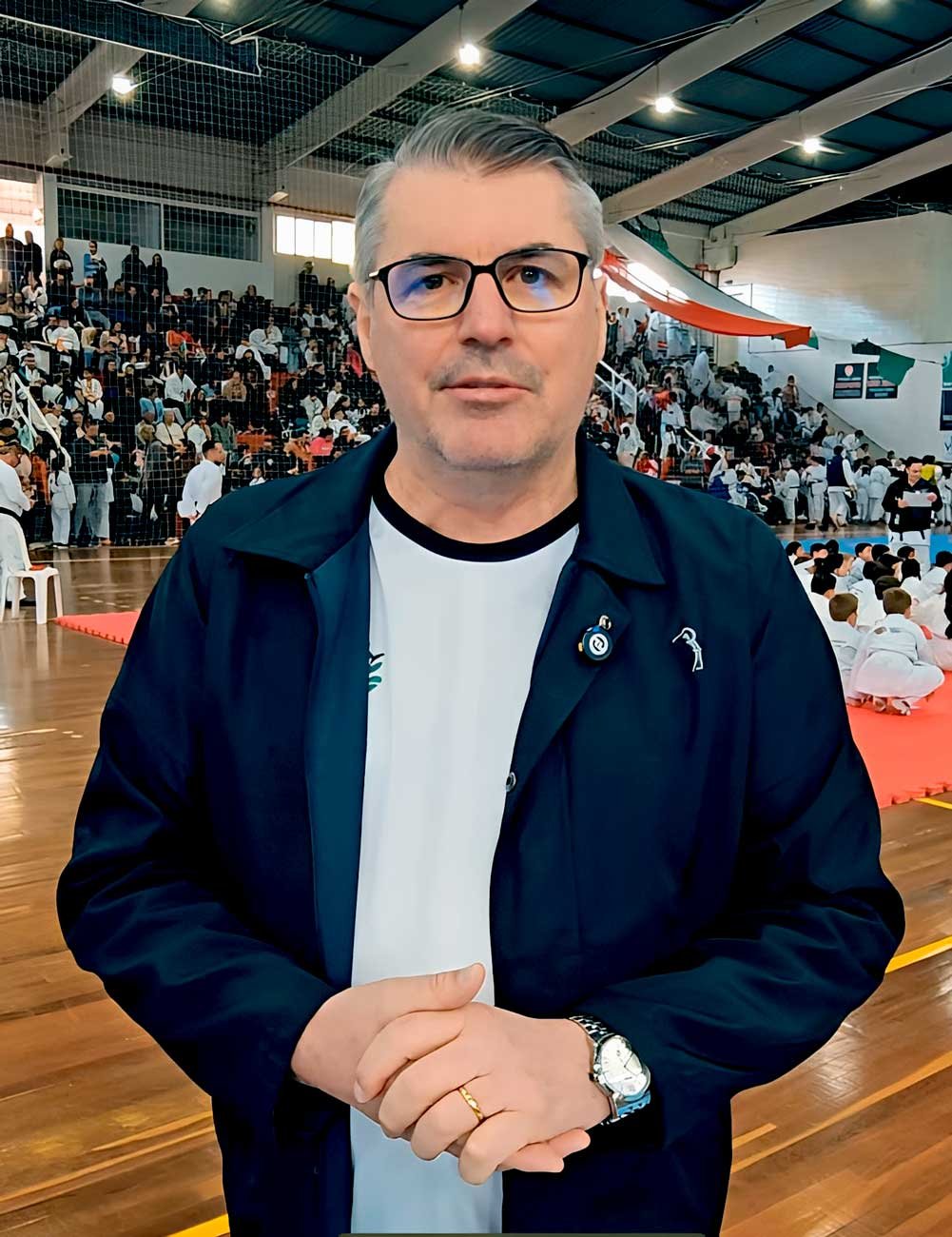
Casca Mayor Jurandi Neri Perin emphasized the importance of sport as a tool for inclusion, development and social transformation © ASKM
Unlike traditional competition formats, the Gaúcho Festival of Karate Social Projects adopts an approach centered on participation, integration and the collective appreciation of the athletes.
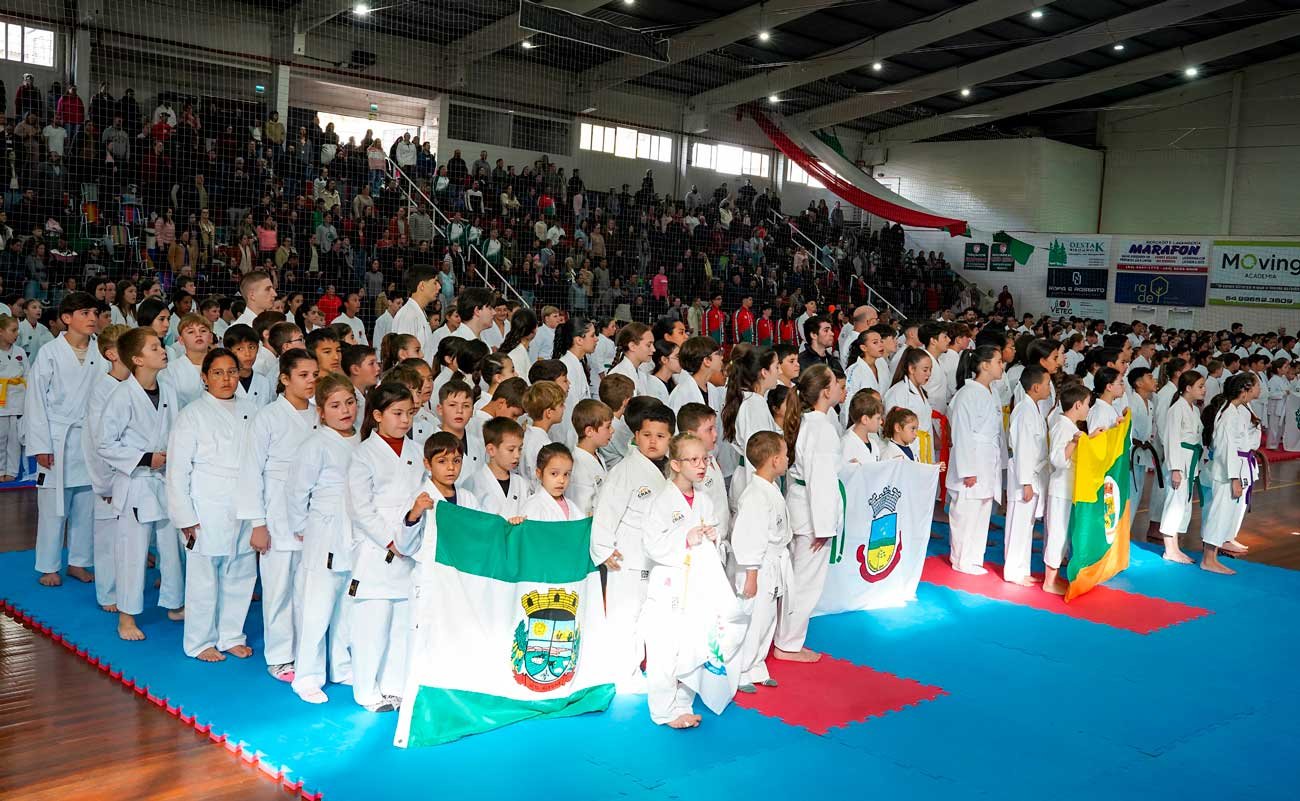
Children lined up during the opening ceremony © ASKM
According to Professor Juarez Silva, director of the Shobu-kan Karate-Dô Association of Marau, coordinator of the Social Projects in Rio Grande do Sul and creator of the event, the entire structure was built collaboratively.
“This event is completely free of charge. There are no registration fees, and the entire organization, refereeing and support staff work on a voluntary basis. The host municipality provides the infrastructure and assists with the logistics required to hold the competition,” he stated.
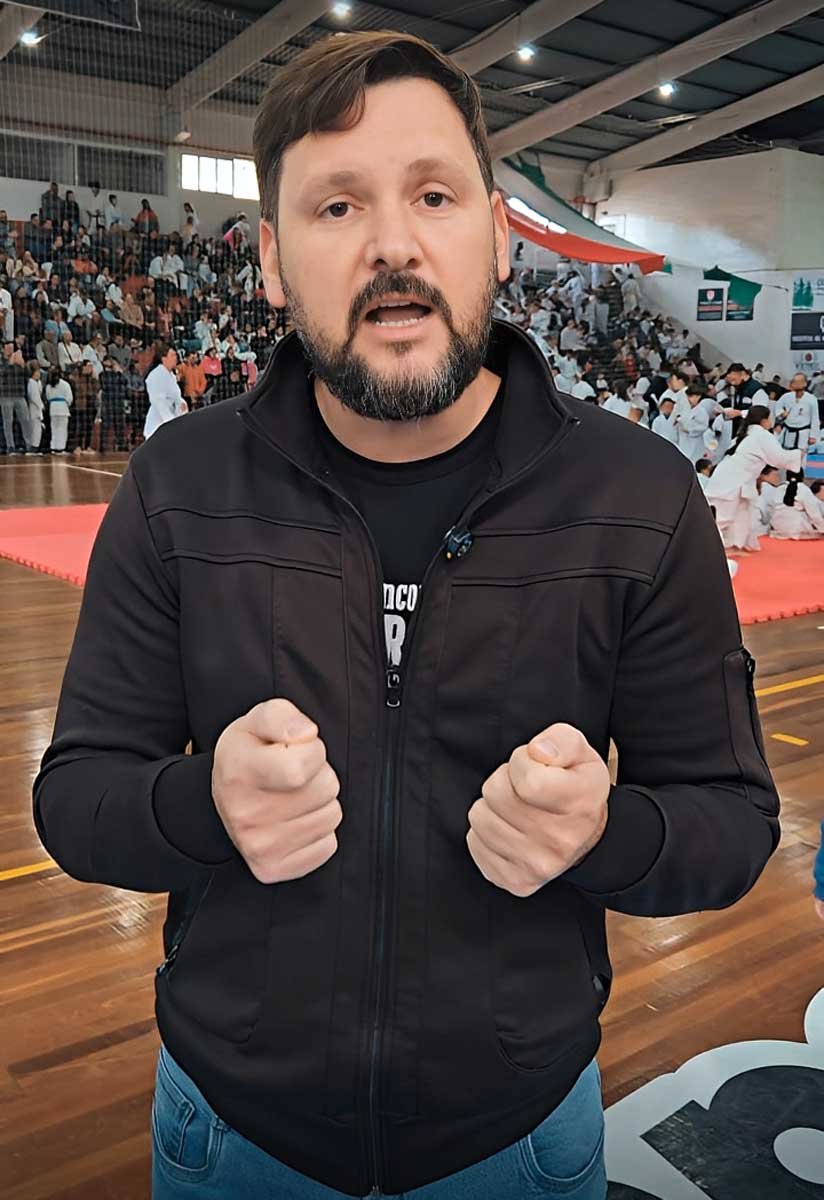
Casca Vice Mayor Wagner Tadeu Miranda emphasized the importance of sports projects focused on children and teenagers © ASKM
Juarez also emphasized that the festival’s primary objective is to promote inclusion and social interaction among young practitioners.
“Our focus is to provide a positive experience for every participant. Regardless of the results, each athlete is valued and recognized for their effort and dedication,” he said.
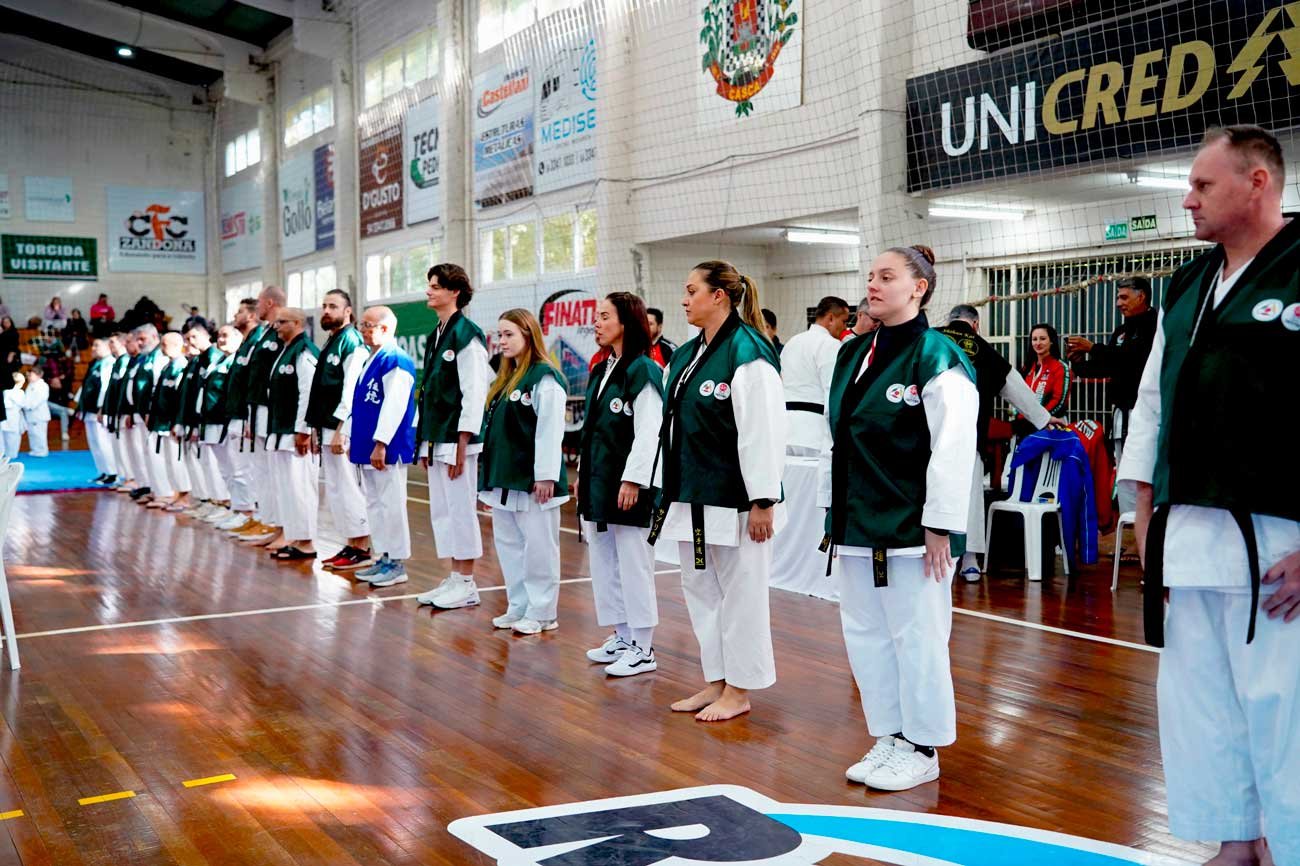
Referees lined up for the opening salute © ASKM
According to the official, initiatives like this help reduce excessive pressure for results and contribute to a healthier, more welcoming and educational sporting environment, especially for children and teenagers undergoing human, social and educational development.
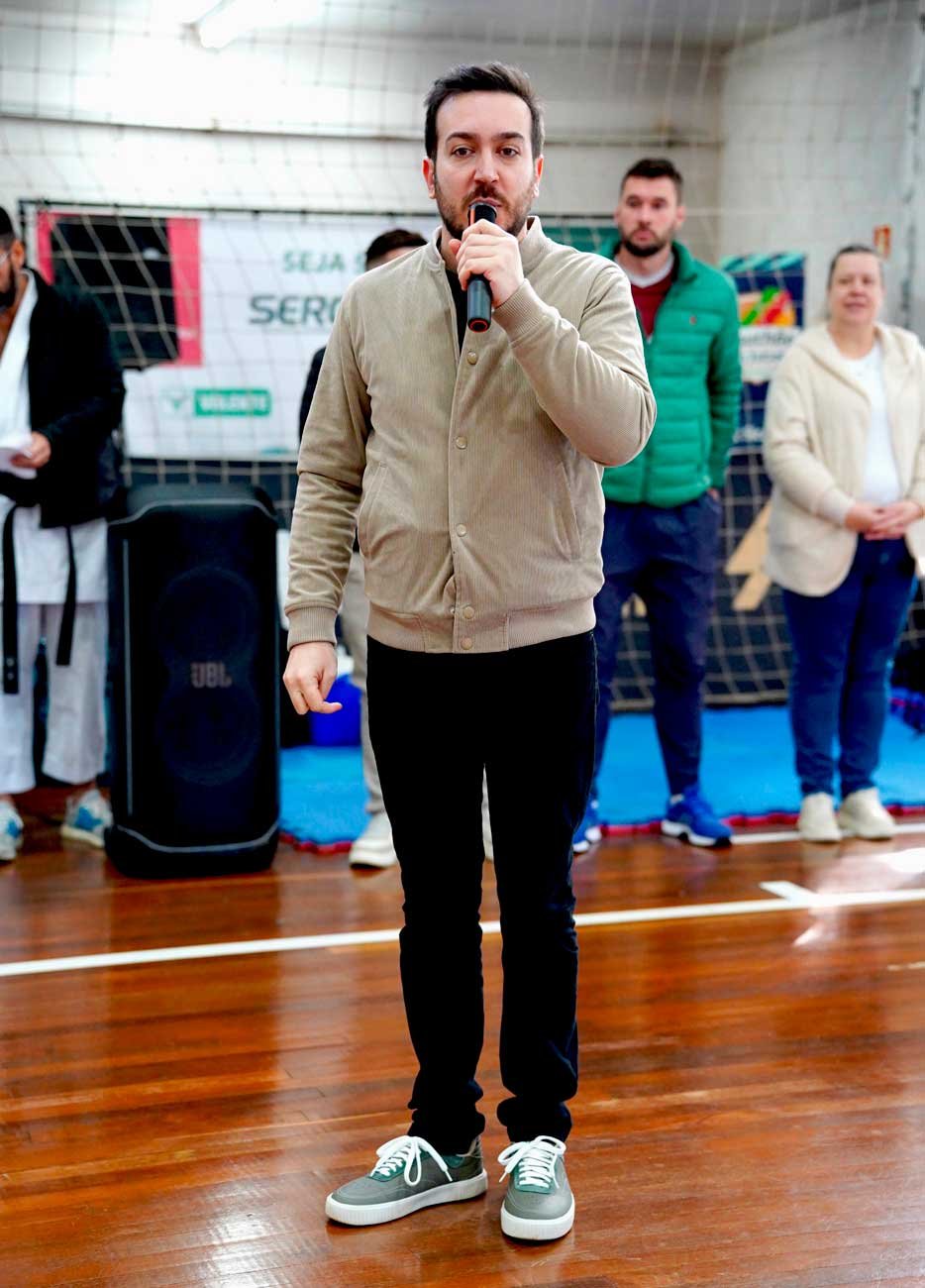
Adilson Giglioli, Secretary of Sports of Casca, during his speech at the opening ceremony © ASKM
Due to the social and educational relevance of the initiative for the Northern Region of Rio Grande do Sul, the opening ceremony was attended by several political, sports and community authorities, as well as representatives of social projects.
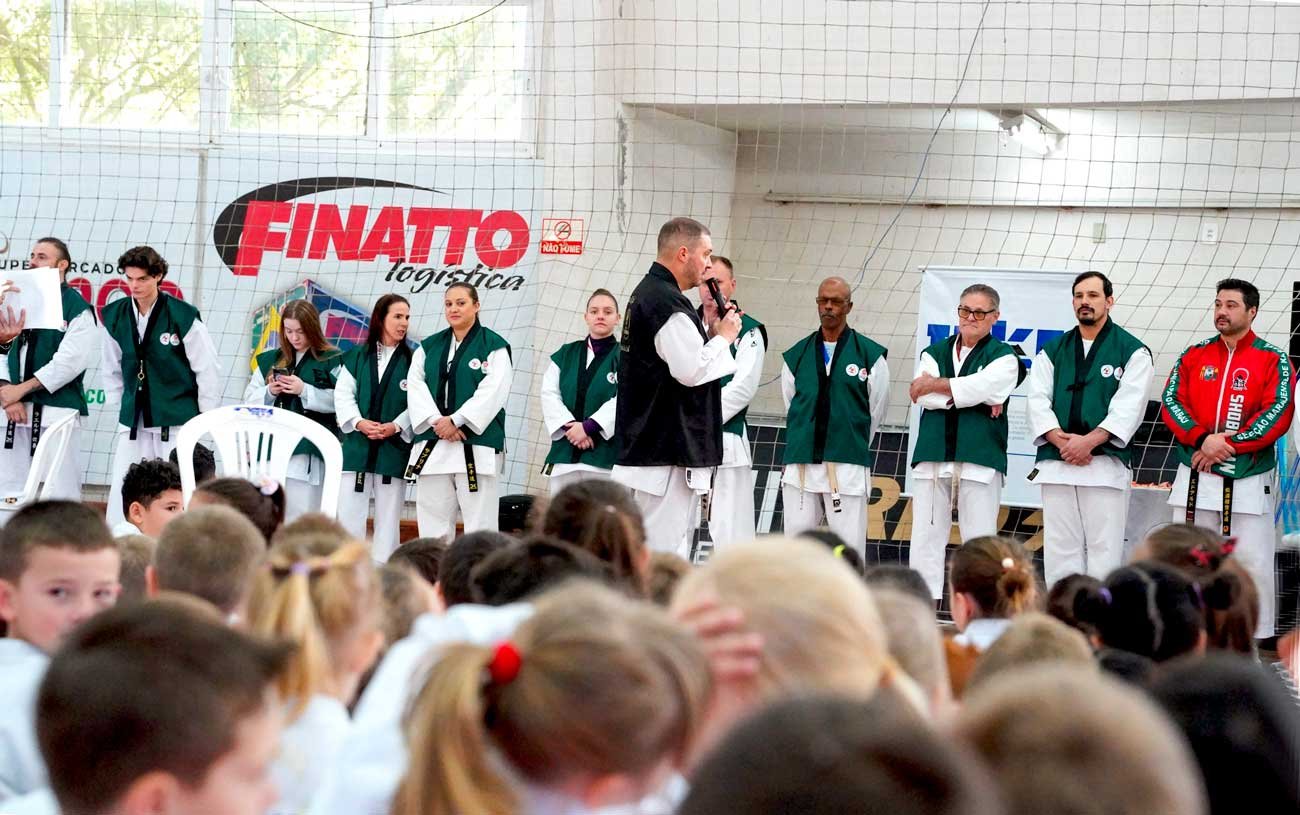
Juarez da Silva during his address to the authorities attending the opening ceremony © ASKM
Among those present were the event hosts Professor Juarez da Silva and Douglas Albano, coordinator of Casca’s social karate project; Jurandi Neri Perin, Mayor of Casca; Jeanice de Freitas Fernandes, Mayor of Camargo; Adelar Silvestri, Mayor of Gentil; Wagner Tadeu Miranda, Vice Mayor of Casca; Paulo Uchoa, Financial Director of CBKT; Rafael Alves Machado, Executive Director of CBKT; Eduardo Santos, Technical Director of FERJKT and CBKT Ambassador; Alfredo Aires, President of the FSRKT Technical Commission; and Professor Ramon Gollmann.
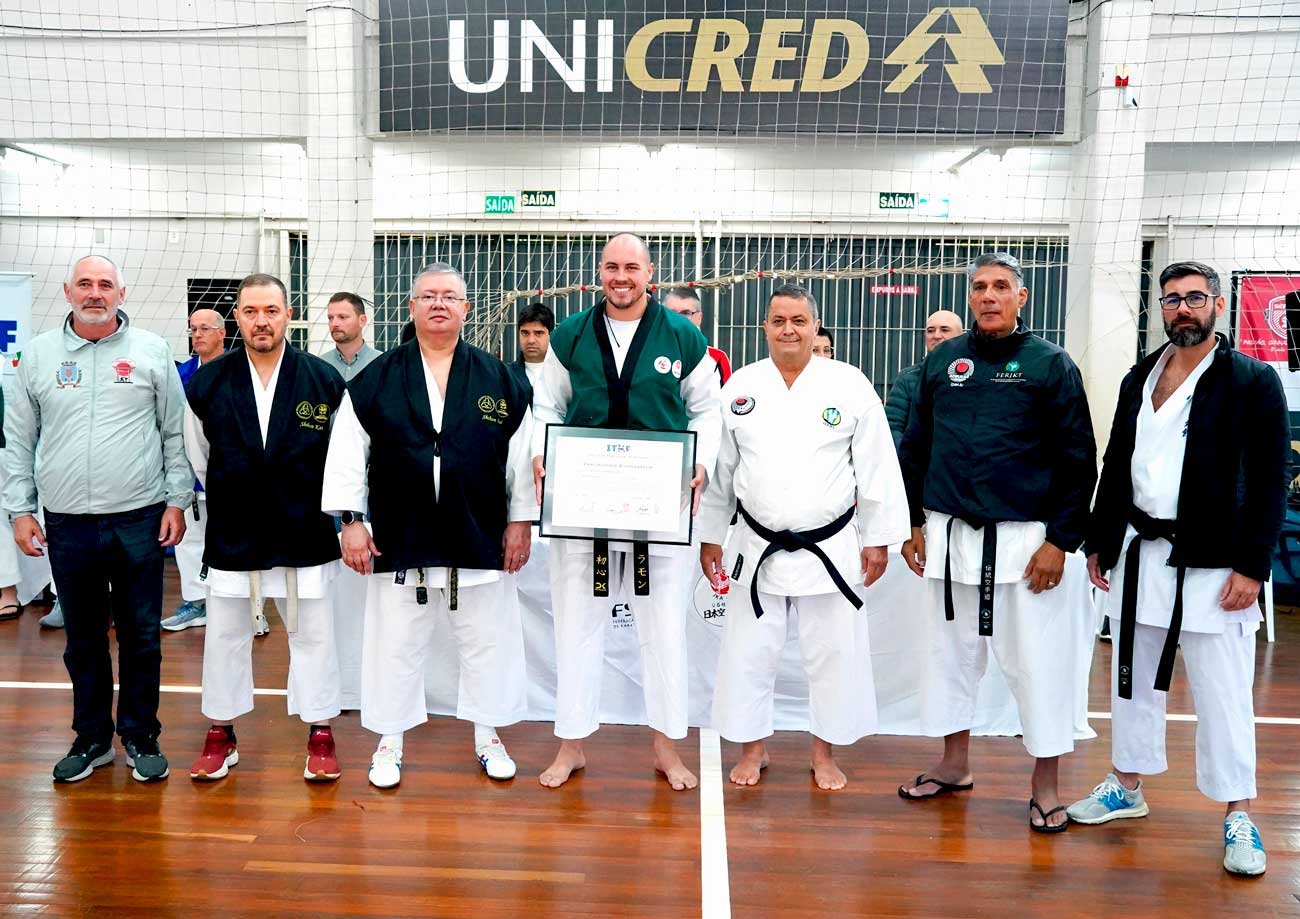
During a brief ceremony attended by Professors Guido Gollmann, Juarez da Silva, Alfredo Aires, Paulo Uchoa, Eduardo Santos and Rafael Alves Machado, Sensei Ramon Gollmann, from Venâncio Aires, receives the ITKF Global international certification for social projects © ASKM
Also joining the authorities’ table were Ezequiel Júnior Marchioro, President of the Casca City Council; Adilson Giglioli, Secretary of Sports of Casca; Dr. Alexandre Passos Vieira, Judge of the Judicial District Court of Casca; Leonardo Pertuzzatti, Sports Coordinator of Casca; Claudemir Lodi, City Councilor of Camargo; Viviane Maurina, Coordinator of the CRAS Social Assistance Center of Camargo; Isaias Fernandes, Secretary of Sports and Leisure of Marau; Dinará Zancan, Secretary of Social Assistance of Ciríaco; Luciane Ferrareze, Coordinator of the CRAS Social Assistance Center of Ciríaco; Monica Granzotto, Coordinator of the CRAS Social Assistance Center of Ponte Preta; Gabriela Mariga, Coordinator of the CRAS Social Assistance Center of Paulo Bento; and Sensei Claudinei Suzin, Head Referee of Rio Grande do Sul.
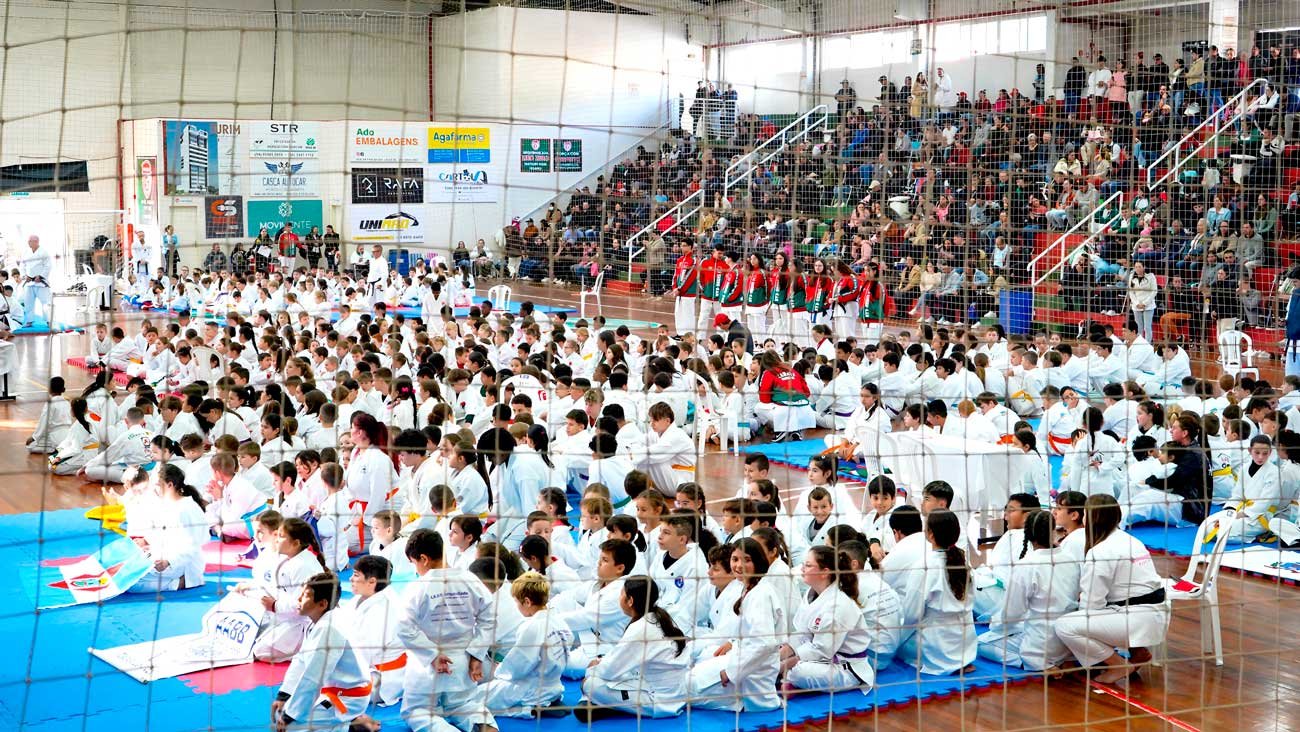
Young karate practitioners follow the speeches delivered by the authorities during the opening ceremony © ASKM
During the speeches, Sensei Juarez da Silva highlighted the role of karate in human development and the emotional growth of children and teenagers.
“Beyond its technical and cognitive aspects, karate has enormous therapeutic potential. It teaches respect, discipline, education and character — values that are fundamental for society,” he stated.
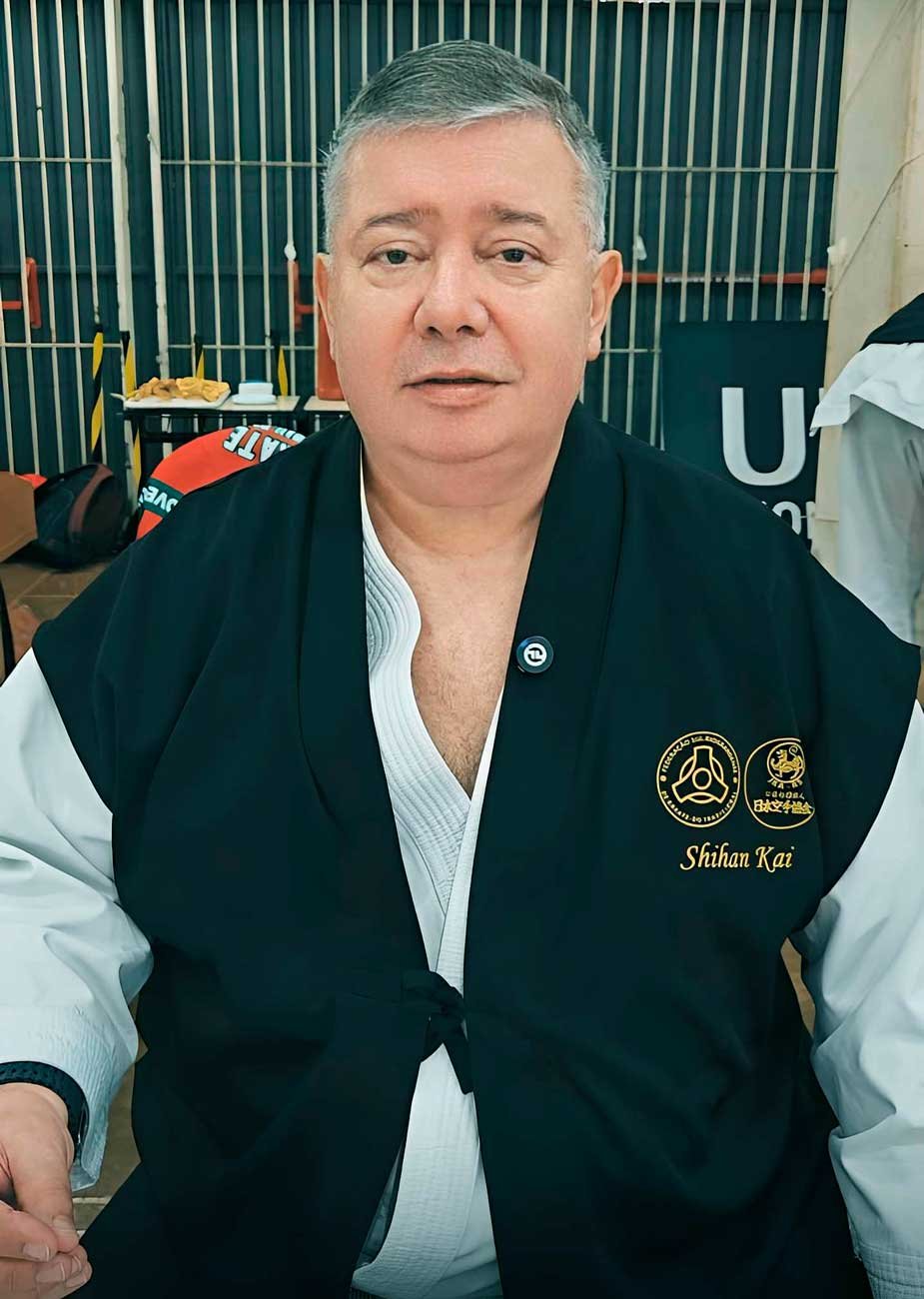
Sensei Alfredo Aires during his speech at the opening ceremony © ASKM
Addressing the families in attendance, the professor also emphasized the importance of sport in the daily lives of young people.
“Karate helps shape citizens who are better prepared for life by teaching discipline, coexistence, responsibility and respect for others,” he added.
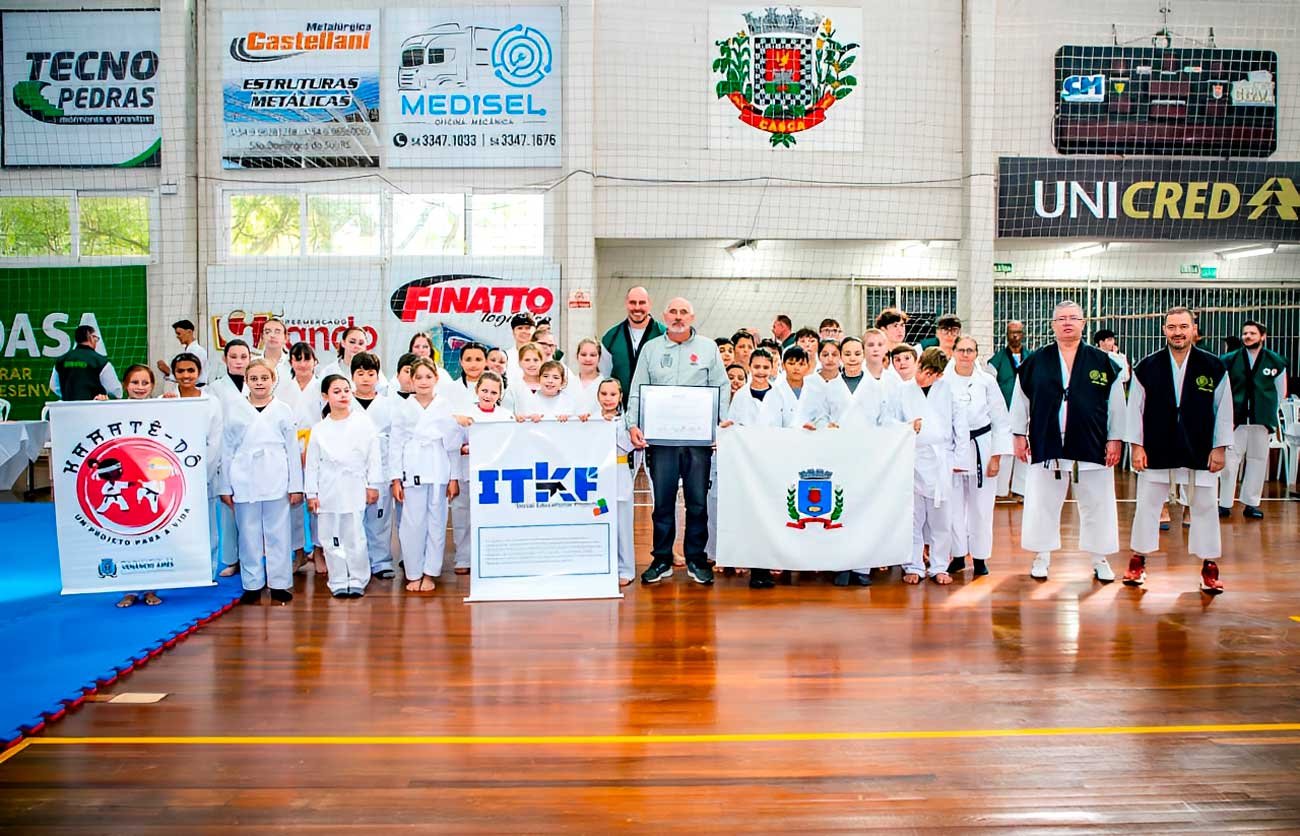
Sensei Guido Gollmann displays the ITKF Global international certification for social projects © ASKM
Casca Mayor Jurandi Neri Perin highlighted the social impact of the initiative and the growth of sports projects throughout the municipality.
“Hosting an event of this magnitude is a source of pride for Casca. Sport transforms lives, strengthens values and contributes directly to the development of our children and teenagers,” he declared.
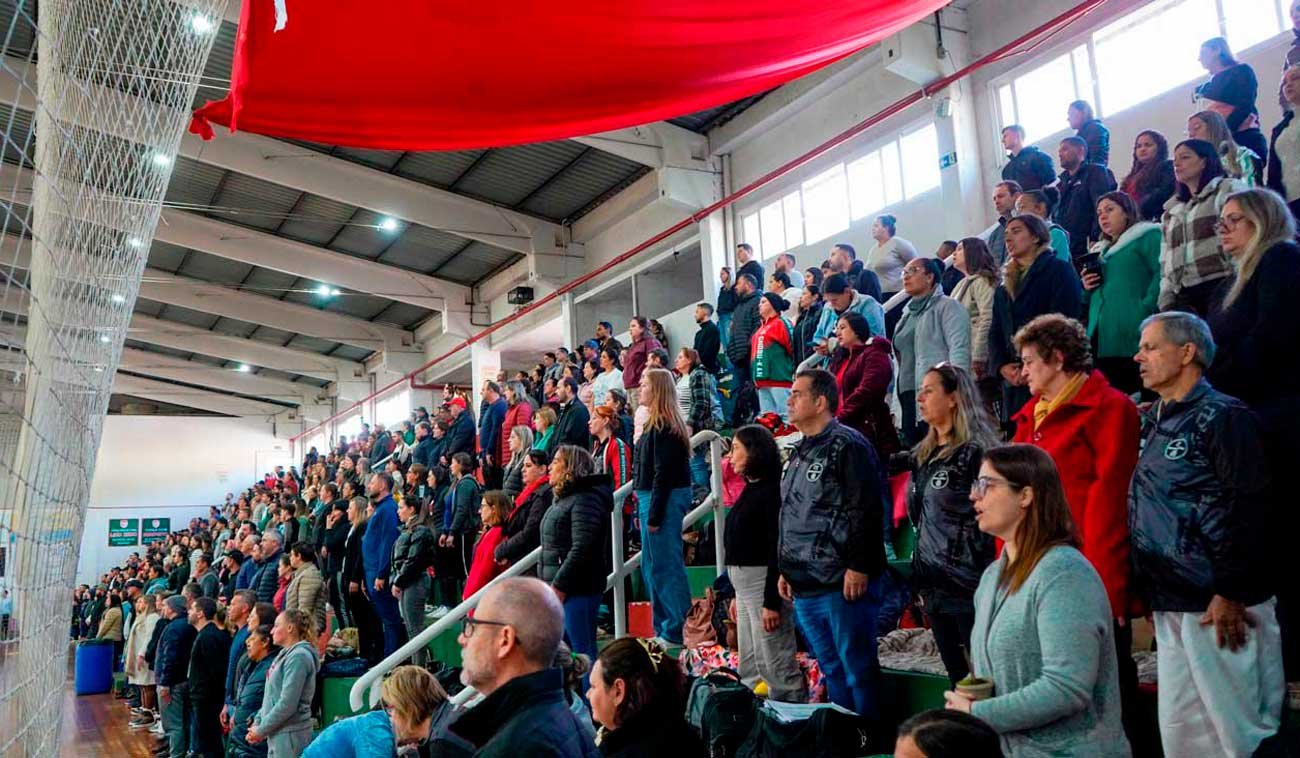
Demonstrating a remarkable sense of civic spirit, the crowd that filled the Maurilio Rodrigues de Silva Municipal Gymnasium enthusiastically sang the national anthems of Brazil, Rio Grande do Sul and the city of Casca © ASKM
Vice Mayor Wagner Tadeu Miranda emphasized the importance of sports workshops conducted during after-school hours.
“Projects like this make a real difference in the quality of life of families and in the future of children. The municipality will continue investing in social and sports initiatives aimed especially at the most vulnerable communities,” he affirmed.
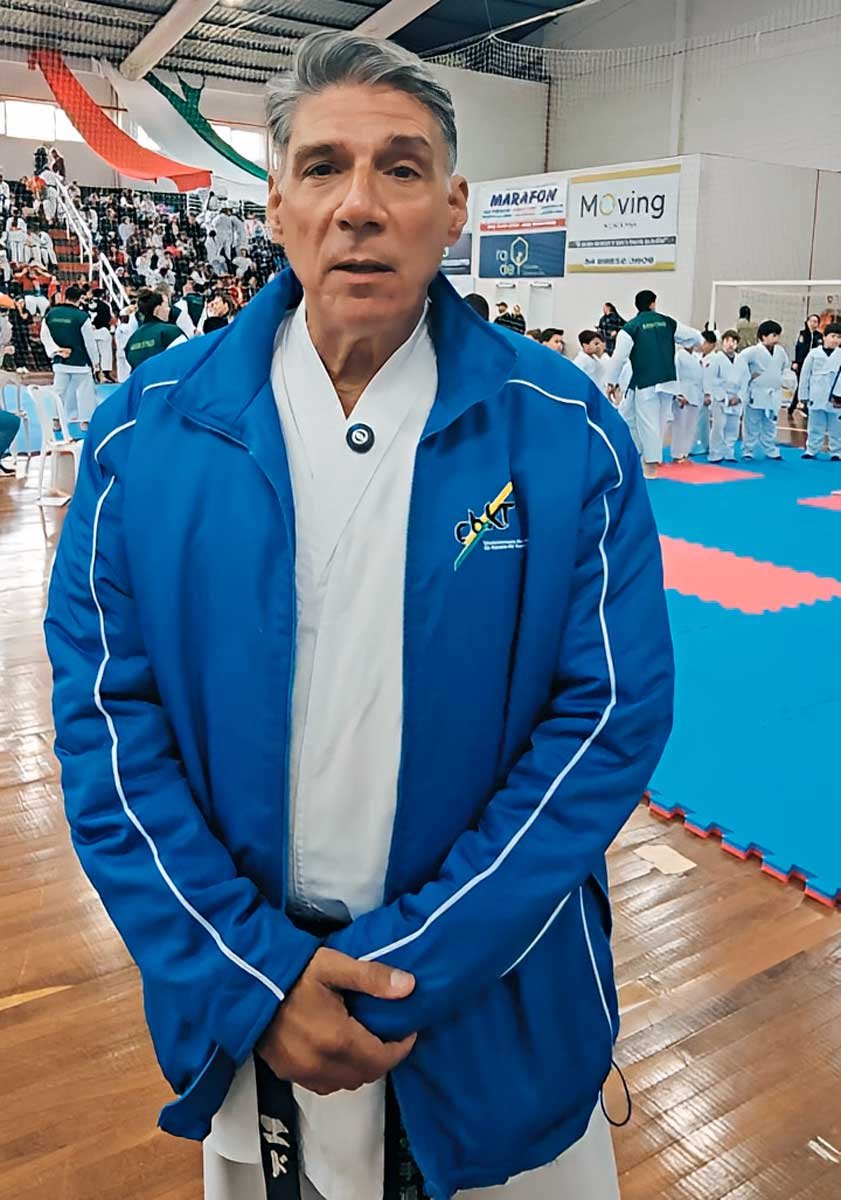
Sensei Eduardo Santos, CBKT Ambassador, during his presentation at the opening ceremony © ASKM
For Alfredo Aires, President of the FSRKT Technical Commission, the festival represents a space of opportunity and belonging.
“The first impact for a child is simply having the opportunity to participate. Events like this help develop not only future athletes, but also future citizens,” he observed.

Representing the Brazilian Confederation of Traditional Karate, Eduardo Santos stressed that traditional karate goes far beyond sports practice.
“Karate develops discipline, ethics, respect and collective responsibility. It is not enough to form great athletes; it is essential to form people with principles and values,” he stated.
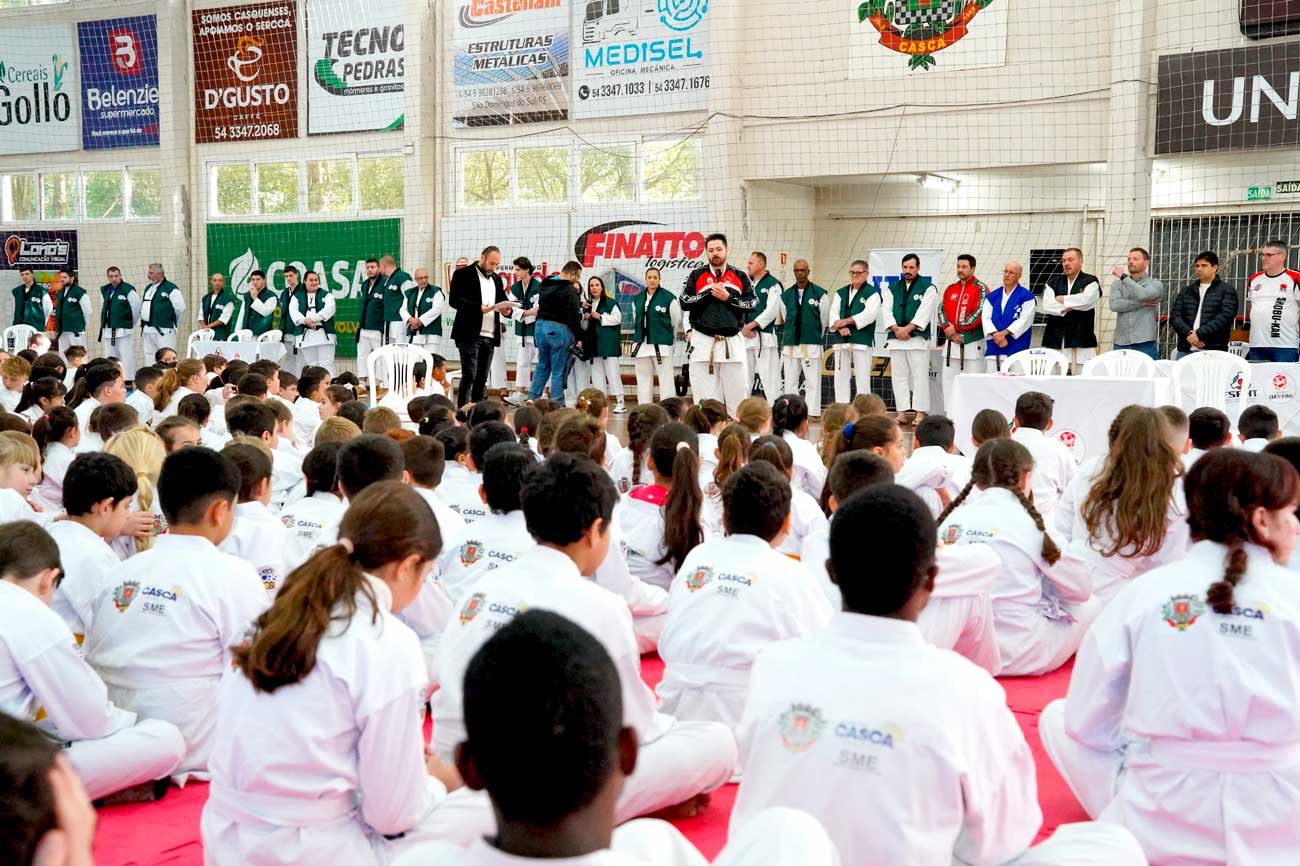
Douglas Albano, coordinator of Casca’s social karate project, during his speech at the opening ceremony © ASKM
According to him, sport helps strengthen concepts such as family, education, culture and citizenship, promoting both human and social development.
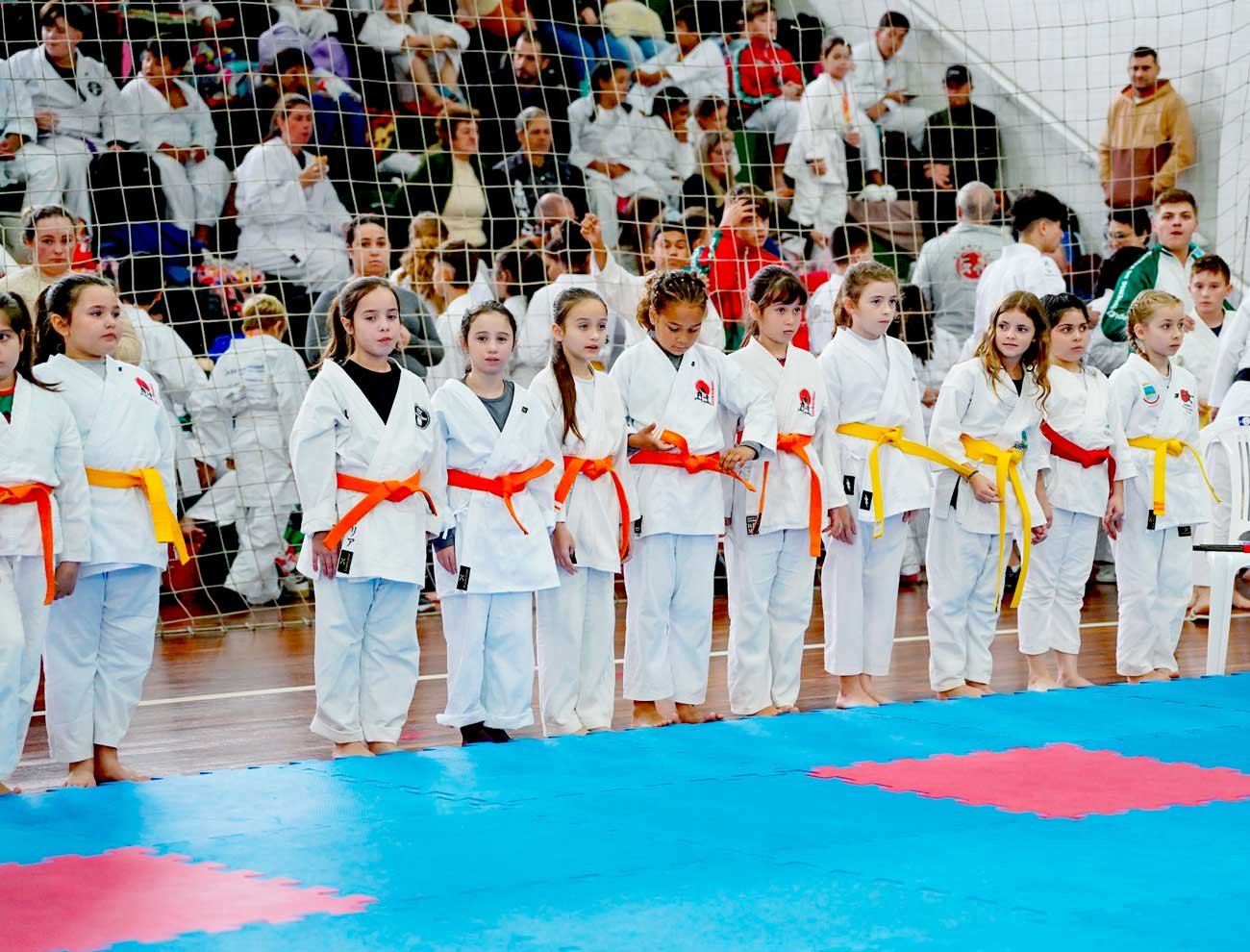
Karate practitioners wait to enter the kotô during the festival competitions © ASKM
Beyond the sporting contests, the festival also provided an important exchange of experiences among the participating municipalities. Public administrators, social workers and sports professionals had the opportunity to learn about different social project models developed through the practice of karate.
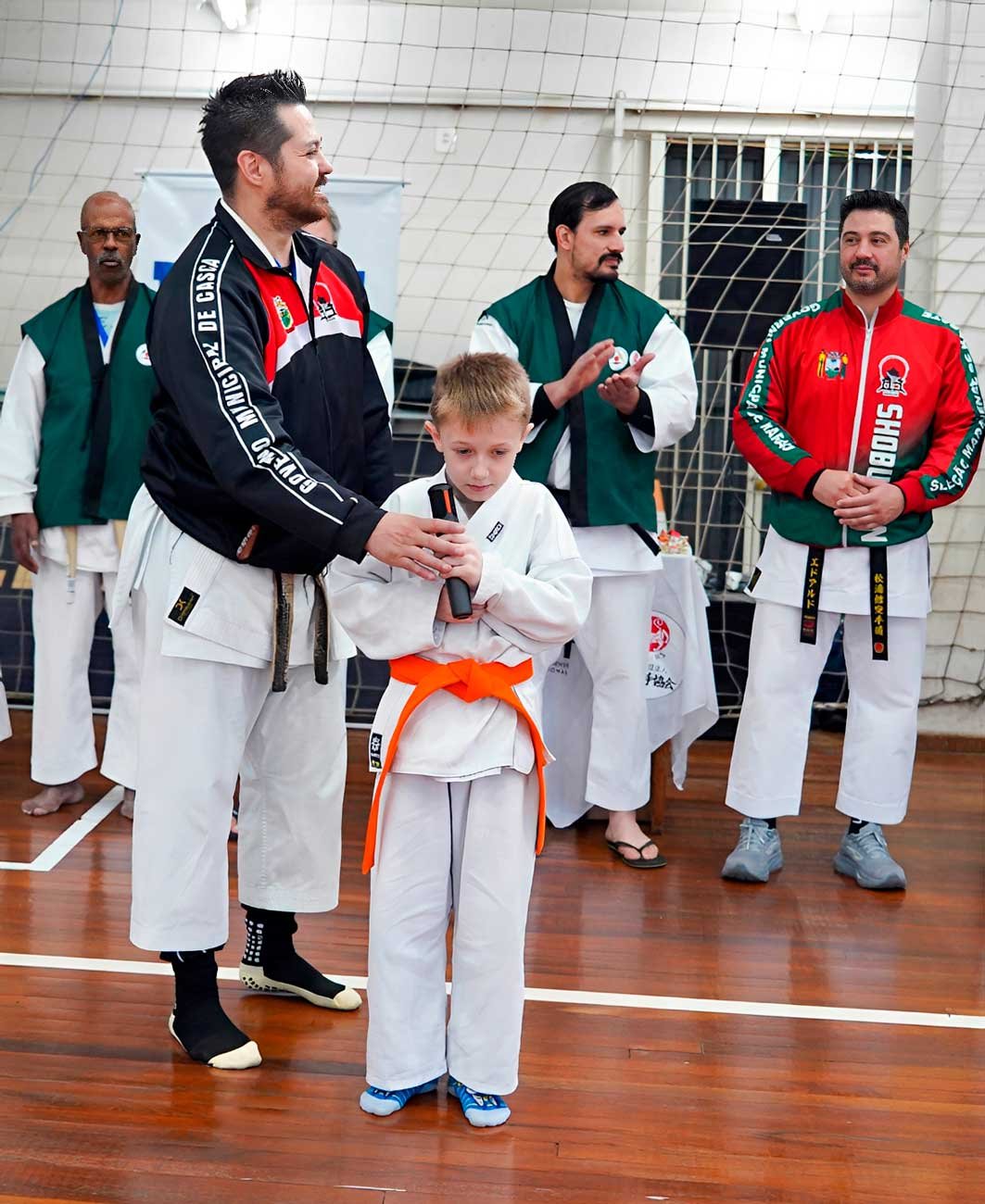
Sensei Douglas Albano, instructor at Shobu-Kan, alongside student Benjamin Girelli Poleto, responsible for delivering the athlete’s oath © ASKM
The initiative highlighted the strength of the partnership between public authorities, clubs, schools and sports associations, demonstrating how sport can serve as a powerful instrument for inclusion, social transformation and the strengthening of public policies aimed at youth development.
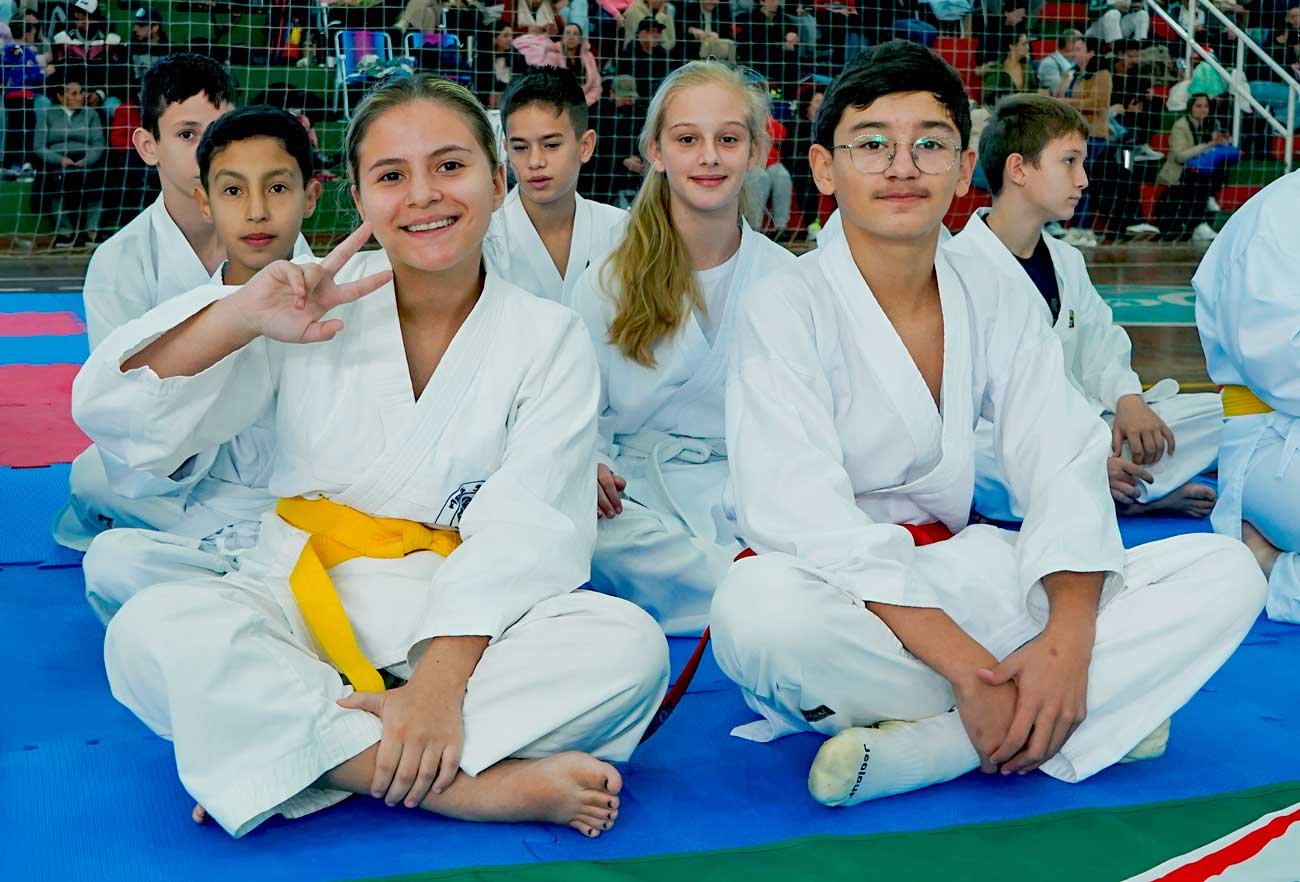
Karate practitioners follow the opening ceremony © ASKM
Through a joint initiative between the Brazilian Confederation of Traditional Karate (CBKT) and ITKF Global, the event was also marked by the presentation of the international certification for karate social projects to the municipality of Venâncio Aires. The recognition acknowledges the development of sports and socio-educational initiatives aligned with the principles of traditional karate.
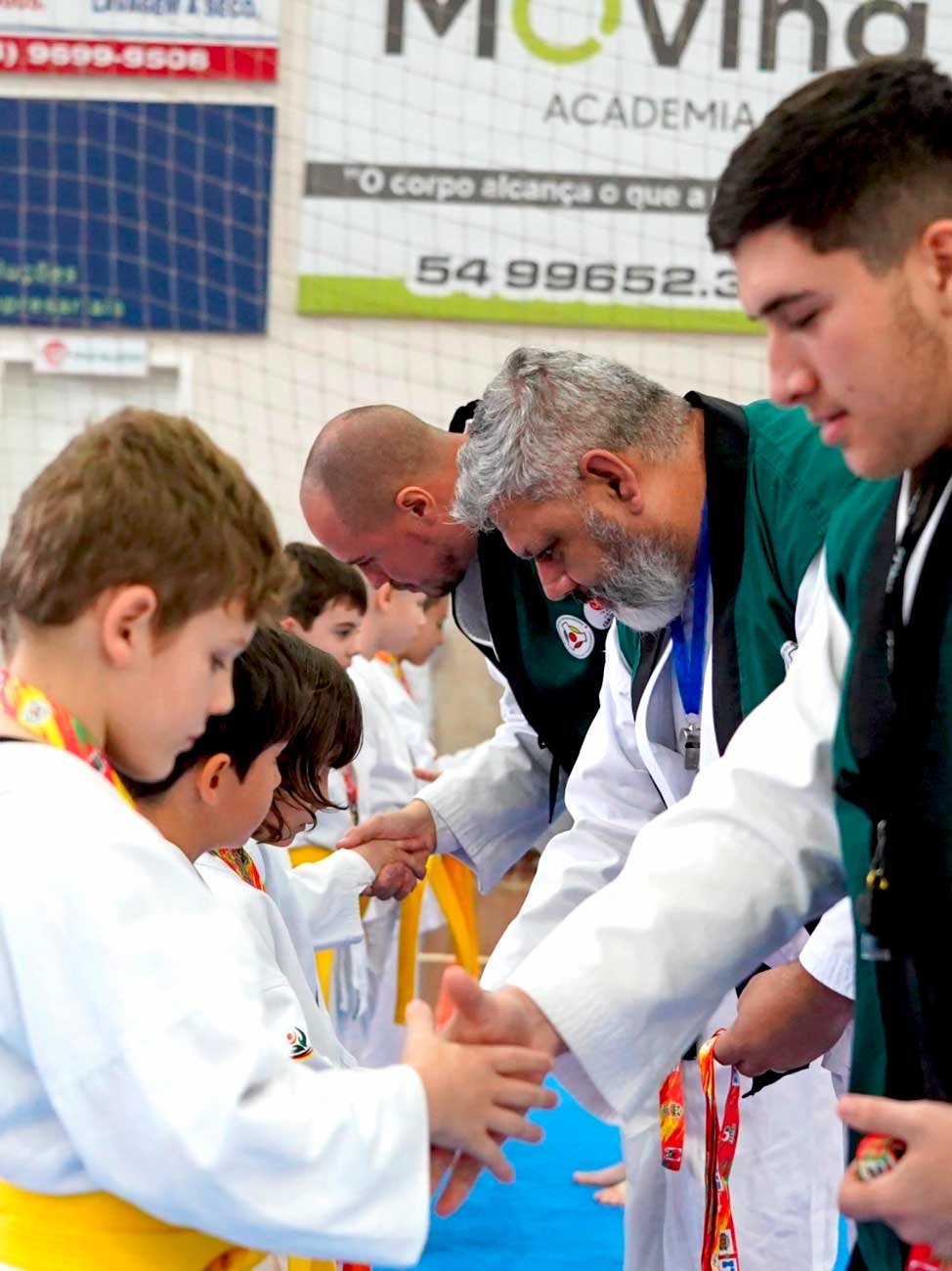
Instructors present awards to athletes during the festival © ASKM
Participating in the ceremony were CBKT Ambassador Eduardo Santos, the organization’s Financial Director Paulo Uchoa, and CBKT Executive Director Rafael Alves Machado, who traveled to Casca specifically to officially present the international recognition.
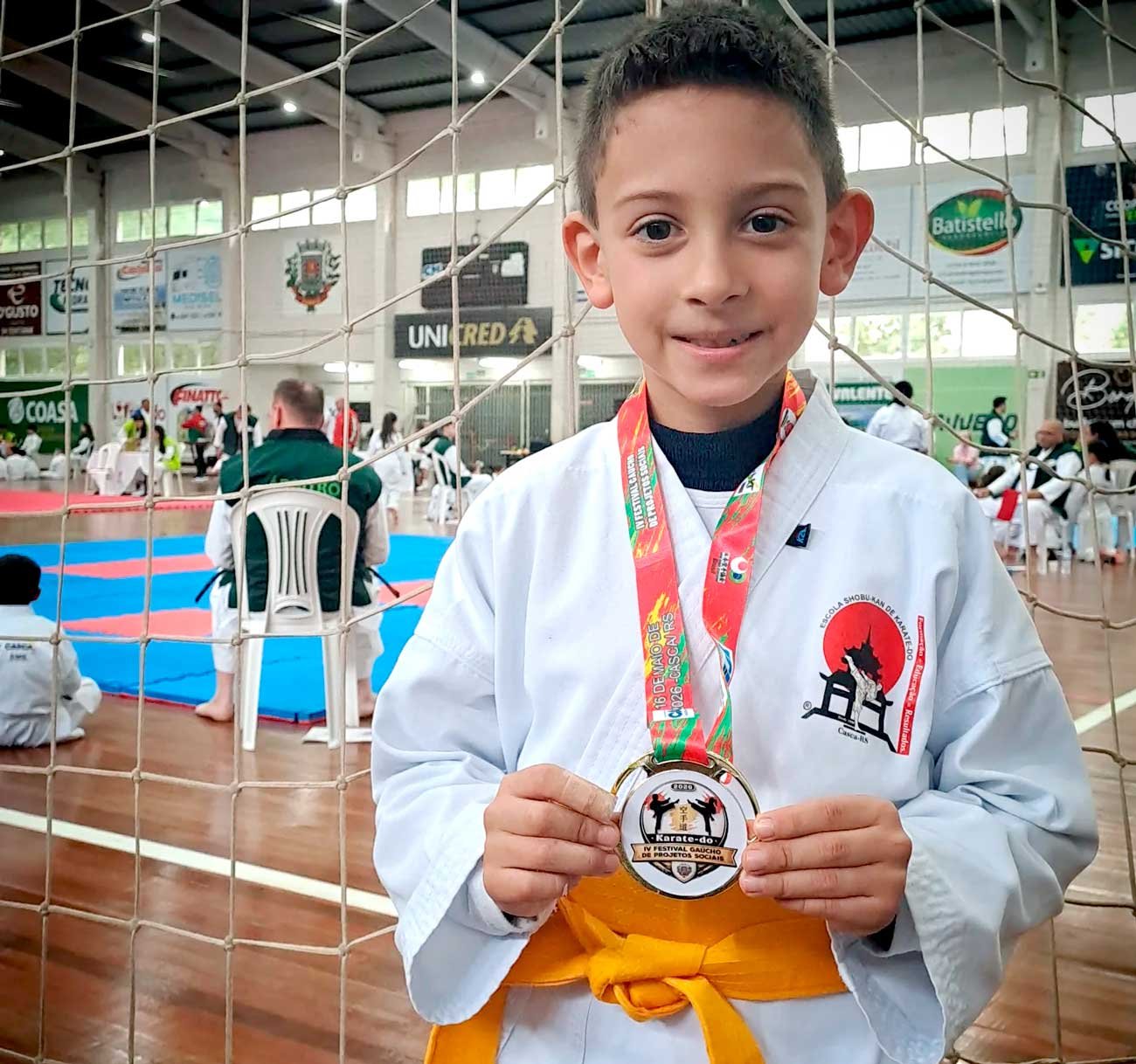
With the joy of achievement reflected in his smile, a young karate practitioner proudly displays the medal received during the festival © ASKM
The initiative reflects the dynamism and leadership of the newly elected CBKT administration, which has been expanding its institutional presence, strengthening partnerships and bringing the Confederation closer to social projects developed across different regions of Brazil.
The international certification granted by ITKF Global represents not only technical recognition of the projects, but also the appreciation of sport as an instrument of inclusion, human development and social transformation.

14 de outubro de 2026
14 de outubro de 2026
13 de outubro de 2026