
09 de outubro de 2026


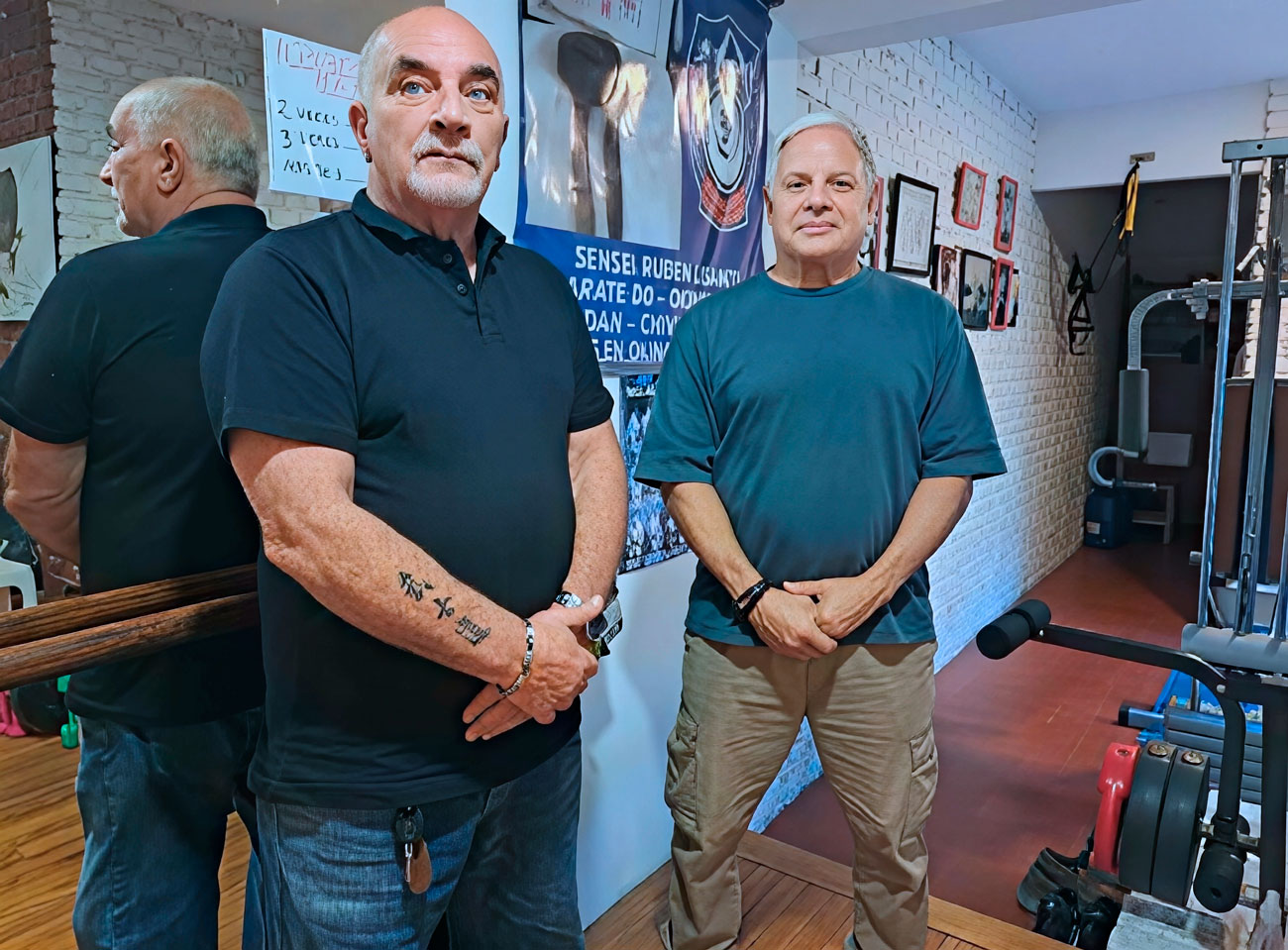 Senseis Rubén Lisanti and Luis Vásquez © La Razón
In an interview with La Razón, Sensei Luiz Alberto Vazquez, 8th Dan (shichi-dan), a practitioner of the Shorin-ryu style and affiliated with ITKF Argentina, highlighted the transformative role of karate within the school environment, particularly in addressing the contemporary challenges faced by children and adolescents.
Amid a landscape increasingly defined by digital isolation, rising cases of bullying and recurring episodes of school violence, karate emerges as an effective educational and social intervention tool.
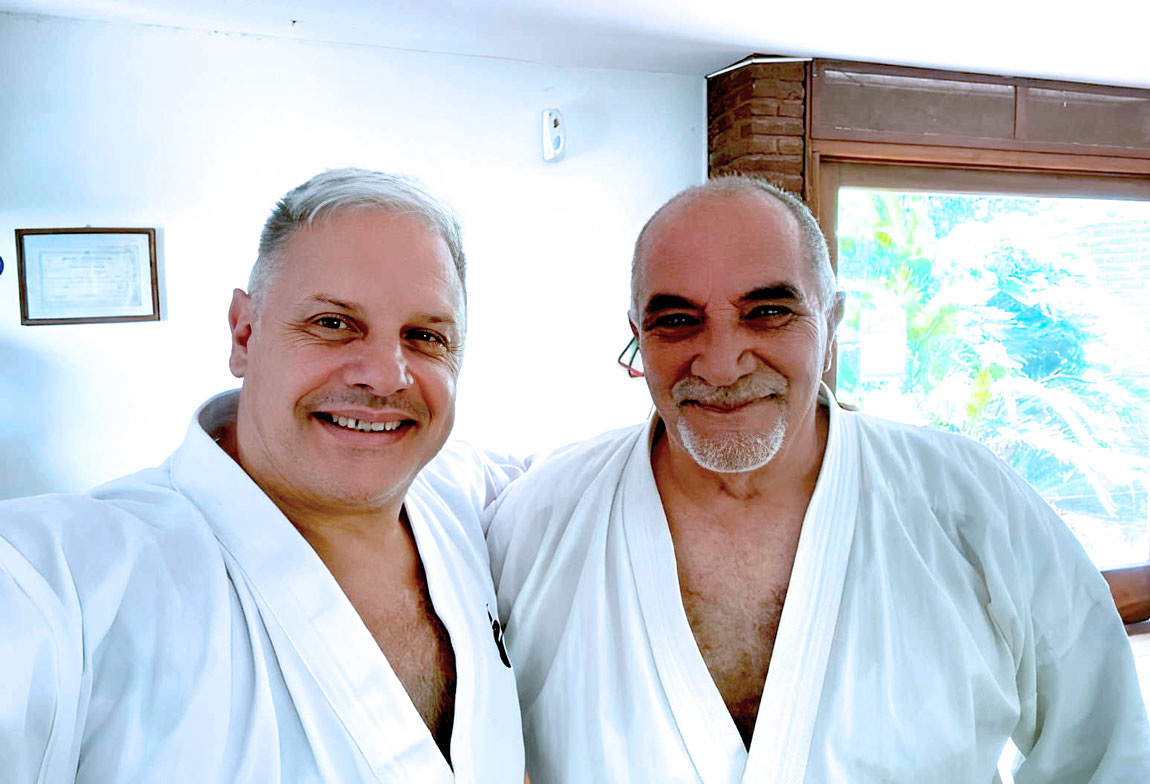
Professor Rubén Lisanti with Shihan Luis Vásquez at the dojo © La Razón
The proposal to introduce karate into schools goes beyond physical activity. It represents a structured approach to holistic development, grounded in the principles of budo, aimed at cultivating values such as respect, discipline, self-control and responsibility.
“In contrast to the culture of digital immediacy, karate reaffirms its role as a formative path, where discipline, self-control and respect form the foundation of a new generation.”
According to Sensei Vazquez, the practice of karate directly contributes to improving the school environment. By promoting emotional balance and body awareness, it helps reduce aggressive behavior and strengthens interpersonal relationships among students.

Another key aspect is its role in addressing so-called “digital isolation,” a growing phenomenon among young people overly dependent on electronic devices. In this context, karate serves as a powerful means of social reconnection, encouraging interaction, teamwork and the development of essential social skills.
The discipline also plays a significant role in preventing bullying. By strengthening self-esteem and self-confidence, it helps foster a safer, more inclusive environment rooted in mutual respect.
Ultimately, the introduction of karate in schools reinforces its socio-educational dimension as an expression of budo. Beyond developing athletes, it stands as a pathway to shaping more conscious, balanced individuals better prepared to face the challenges of modern society.

09 de outubro de 2026
09 de outubro de 2026
08 de outubro de 2026