
13 de outubro de 2026
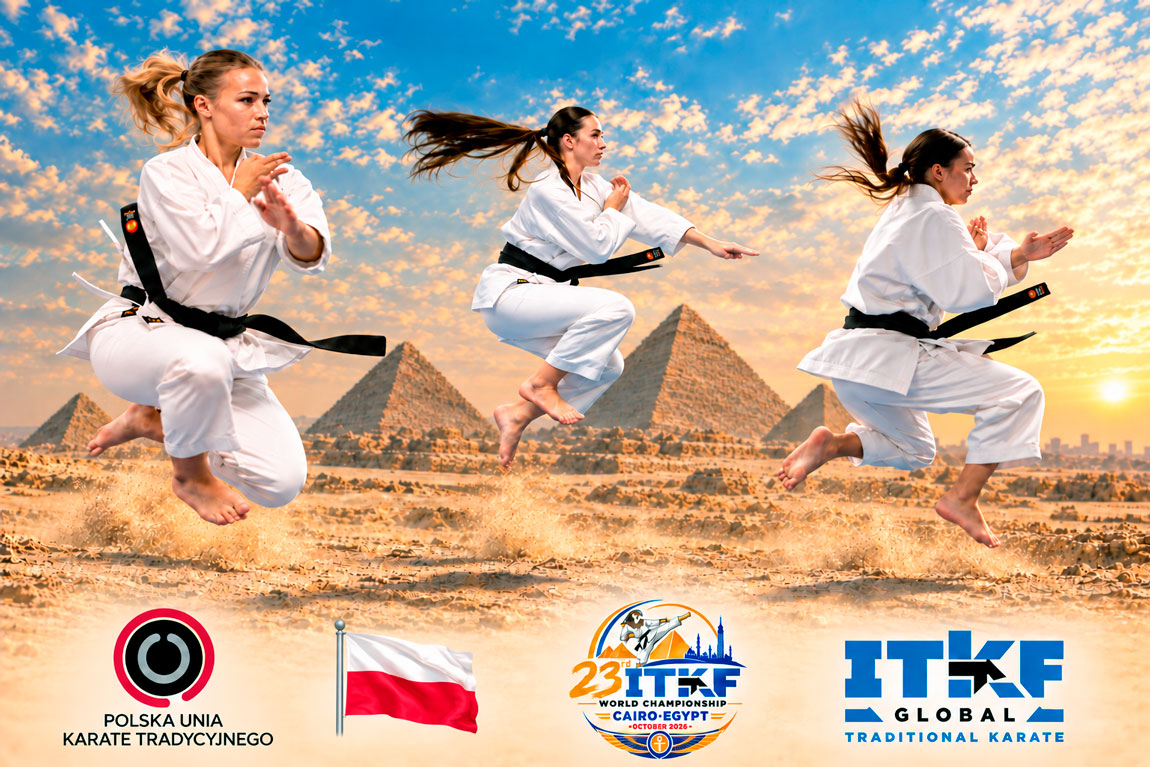



 One team, one flag and the ambition to take Poland to the top in Cairo © Photomontage / Global Sports
Poland is preparing a delegation of approximately 150 people to travel to Cairo with the ambition of improving on its third-place finish at the 2024 Traditional Karate World Championships in Portugal. The plan is to bring together 100 athletes across the 23rd International Traditional Karate Federation (ITKF) World Championships and the Children’s World Cup. To turn the size of its delegation into results, the country is counting on cooperation between clubs and the national team, the coming together of different generations and the ability to perform at its best under pressure.
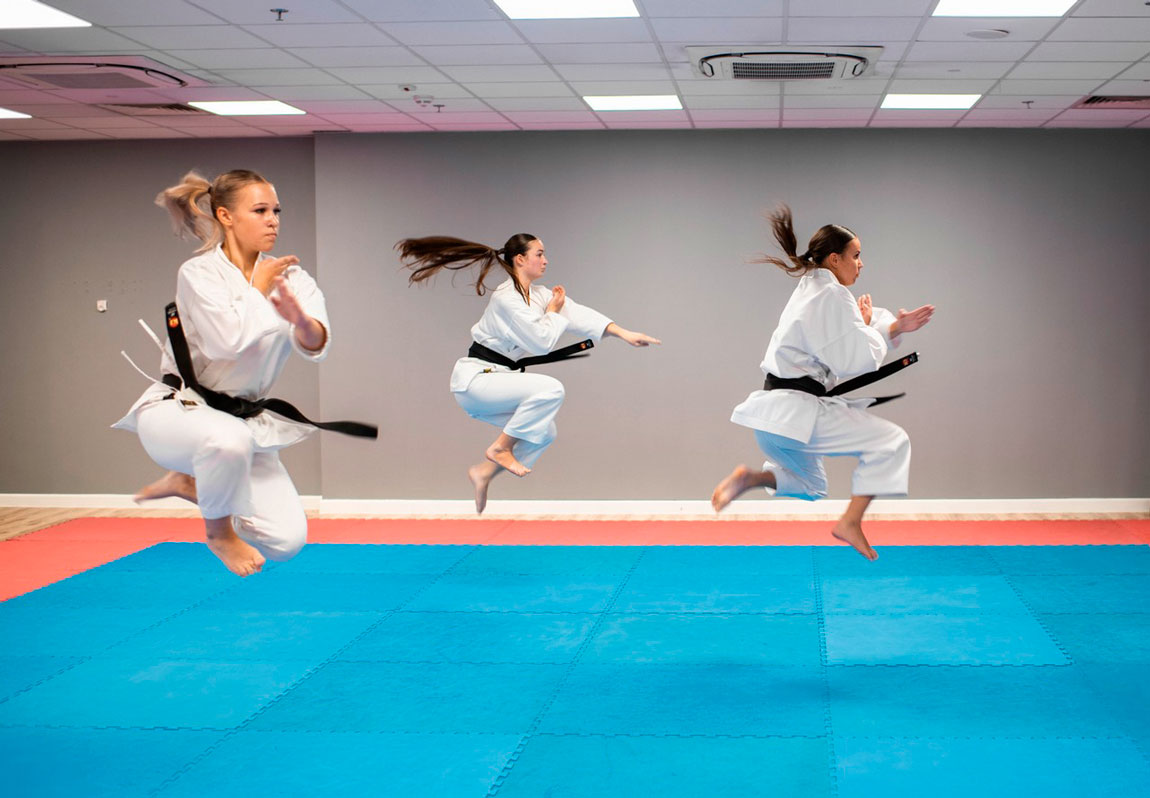
With a highly skilled team and a vibrant spirit, Poland promises to raise the standard of competition in Cairo © Joanna Musiał / PUKT
With Poland’s contribution, Budô Magazine and Global Sports conclude their interview series on the preparations of the five highest-ranked national teams at the World Championships in Portugal: Egypt, the champions; Brazil, the runners-up; Poland, third; Romania, fourth; and Portugal, fifth. Having explored their rivals’ plans and expectations, the report now hears from Paweł Janusz, President of the Polish Traditional Karate Union (PUKT), and Anna Kulczyńska, the organisation’s Vice-President.
“For me, third place was not the end of the process. It was the beginning of the next stage.”
The two offer complementary perspectives on preparations that began to take shape after the previous edition. Janusz details the technical work and the criteria for building a team capable of competing across different categories. Anna discusses the organisation of the delegation, the sharing of experience between generations and the human and institutional gains the country hopes to bring home from Egypt.
“Our ambition is to compete for the highest position. Of course we want to improve on Portugal, but I do not want to set an artificial medal target before the competition. The final standings are the result of dozens of individual performances,” Janusz points out.
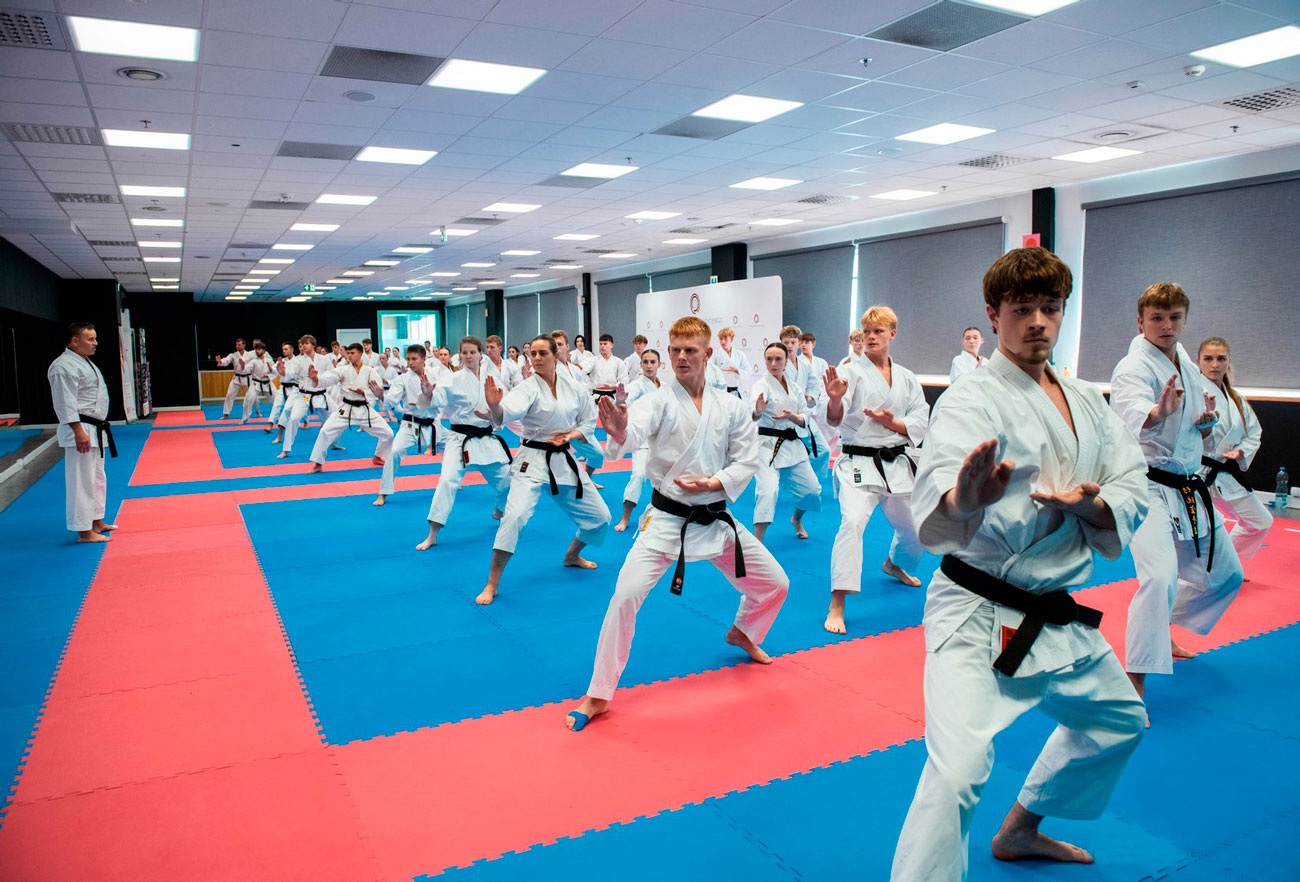
Sensei Paweł Janusz leads kata training © Joanna Musiał / PUKT
The six gold, seven silver and 12 bronze medals won in Portugal placed Poland among the ITKF’s leading nations. For the coaching staff, however, the assessment of that campaign needed to go beyond the 25 medals. The participation of athletes of different ages and specialities made it possible to assess both the team’s ability to bring through new talent and the factors that still separated Poland from the top two places.
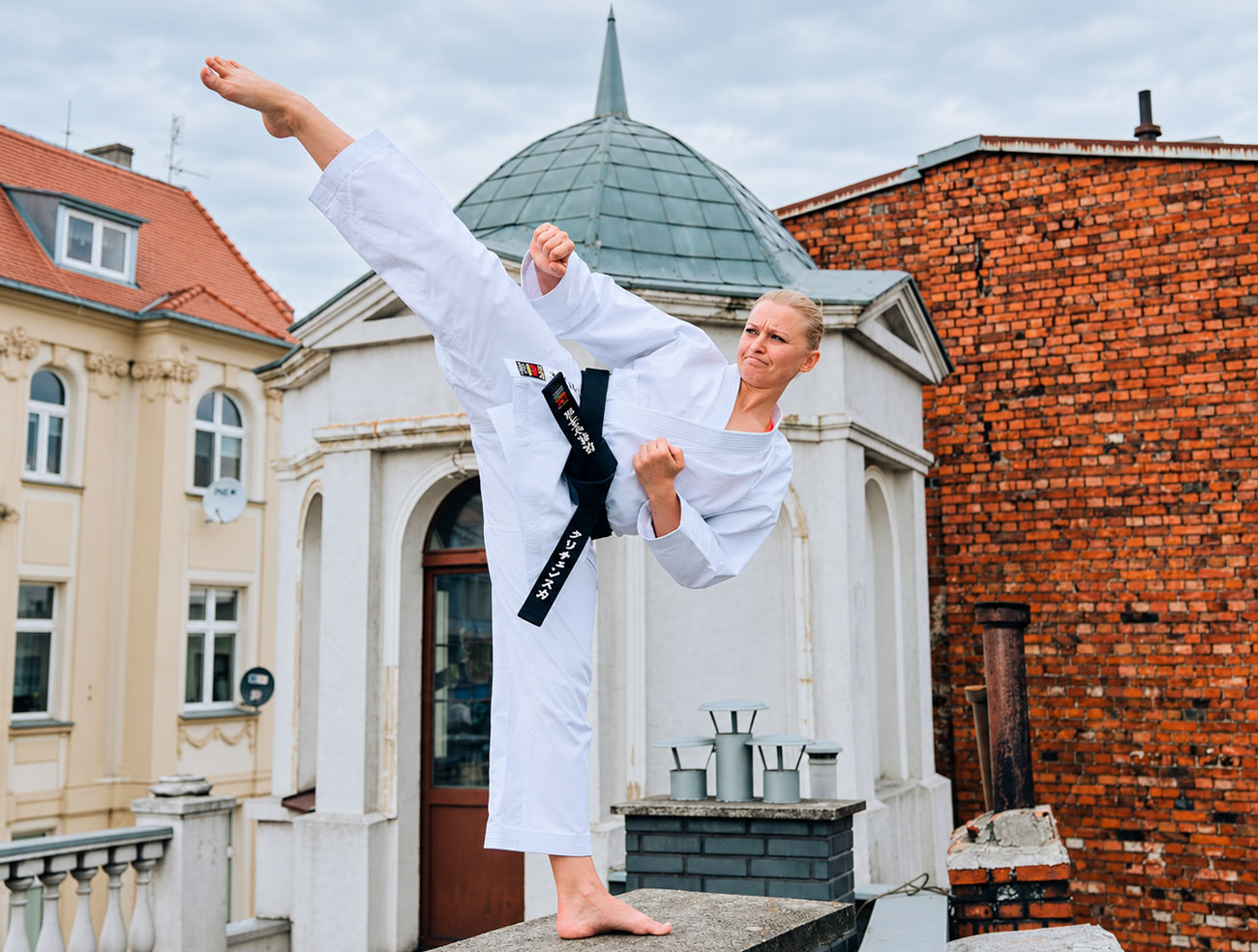
Sensei Anna Kulczyńska, Vice-President of the Polish Traditional Karate Union, performs a mawashi geri © Facebook
Janusz stresses that the results were not concentrated among a handful of competitors. The contribution of experienced athletes and younger representatives to the standings demonstrated the team’s ability to bring through new talent and maintain the continuity of the work being done in the country.
“We were able to compete successfully across different age groups and events, which showed that our system does not depend on just a few athletes. At the same time, Portugal sent us a very clear message: we were close to the top, but there was still a gap between us and the two nations leading the standings. For me, third place was not the end of the process. It was the beginning of the next stage.”
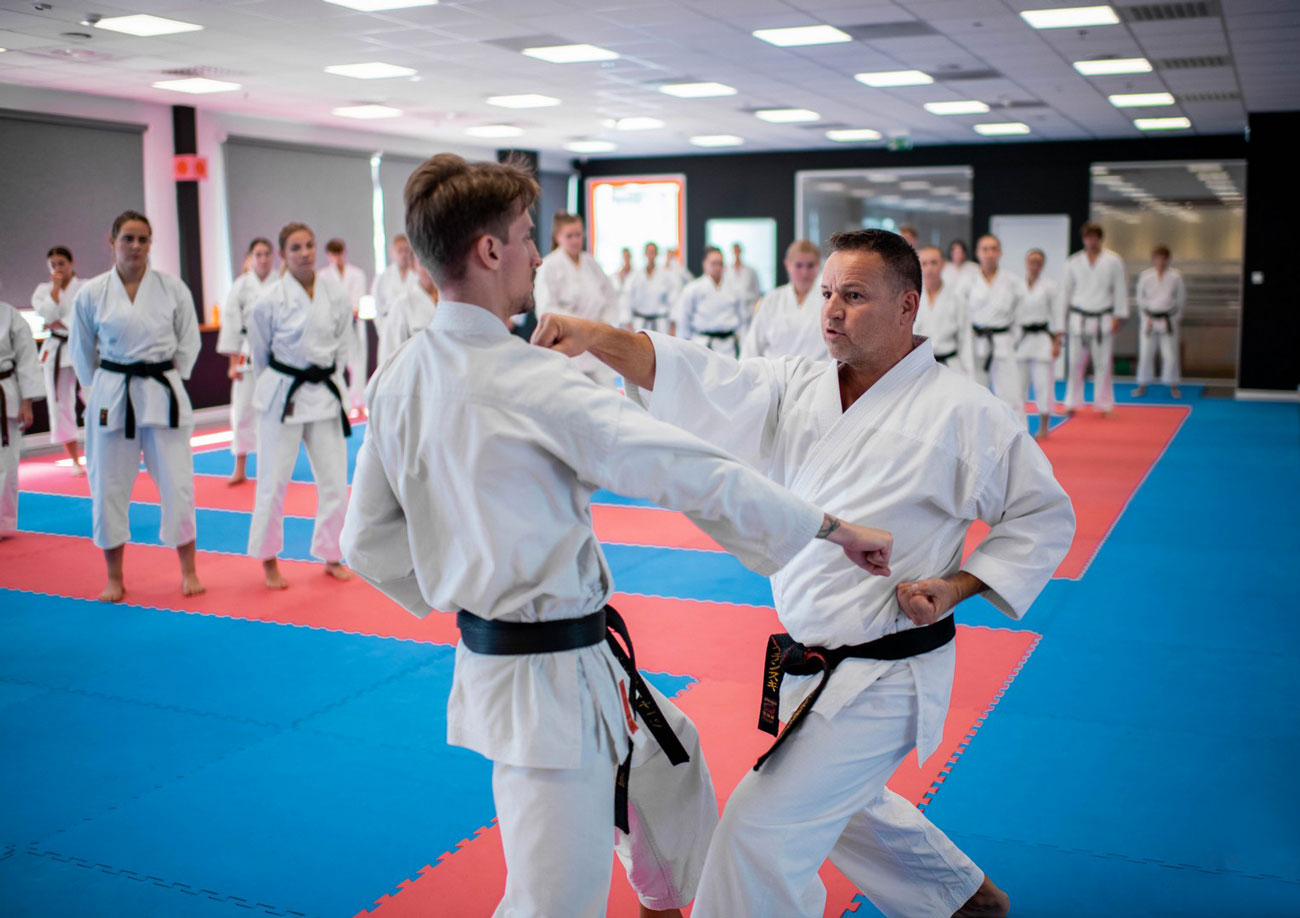
Professor Sensei Paweł Janusz demonstrates a technique © Joanna Musiał / PUKT
The president avoids describing medals as surprises, believing that every achievement grows out of a long period of preparation. What pleased him most was the contribution of the younger generations. At the same time, the narrow margin between a podium finish and missing out showed that raising technical standards would be only part of the task for the next cycle.
“We cannot build a national team for just one championship. We need to build a system that keeps producing strong athletes for many years. Our priority cannot simply be to raise technical standards. We have to improve consistency, the ability to compete under pressure and to reproduce our best performance precisely when it is needed most.”
Planning for Cairo began with an analysis of the campaign in Portugal and took shape throughout 2025 and 2026. The structure described by Janusz starts with daily training at club level, moves through the national programme of competitions, assessments, selection and training camps, and culminates in the final stage, tailored to the demands of the World Championships.
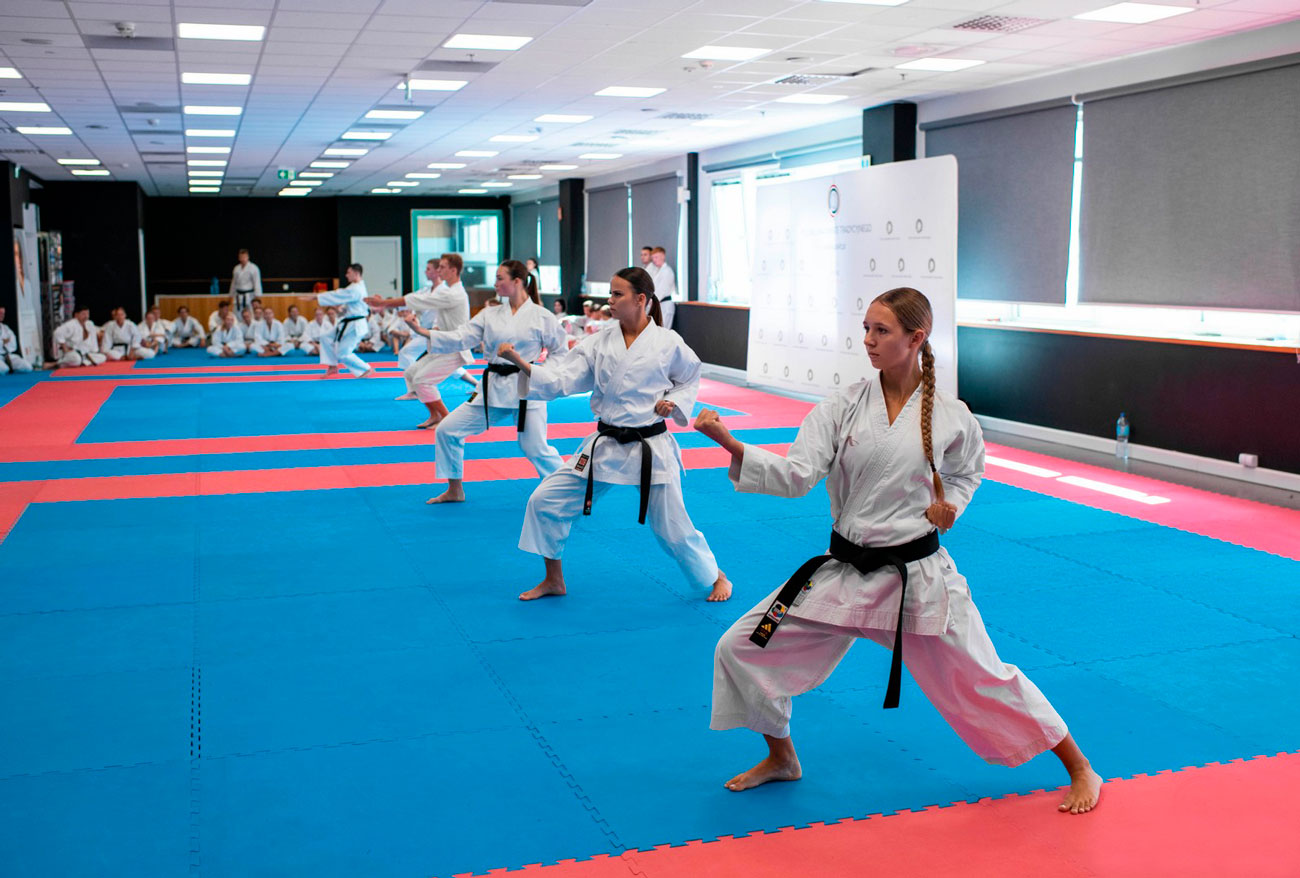
Women’s team kata training © Joanna Musiał / PUKT
Periods of joint training bring athletes from different clubs into the same environment and align their preparations. In 2026, the programme included winter and summer activities, competitions and training camps, including the Summer Camp and the work carried out at Dojo Stara Wieś.
“In reality, preparations for the next World Championships begin as soon as the previous edition ends. We did not want to create a programme just for October 2026. We wanted to use the entire period to develop the athletes and the team,” he explains.
The selection of representatives takes into account performance, consistency, technical ability, competitive readiness and the capacity to handle pressure. Progress throughout the cycle also informs decisions, ensuring that a single competition does not determine an athlete’s assessment. According to Janusz, the team needs the physical and mental readiness to face international competition, contribute to the group and strike a balance between experience and emerging talent.
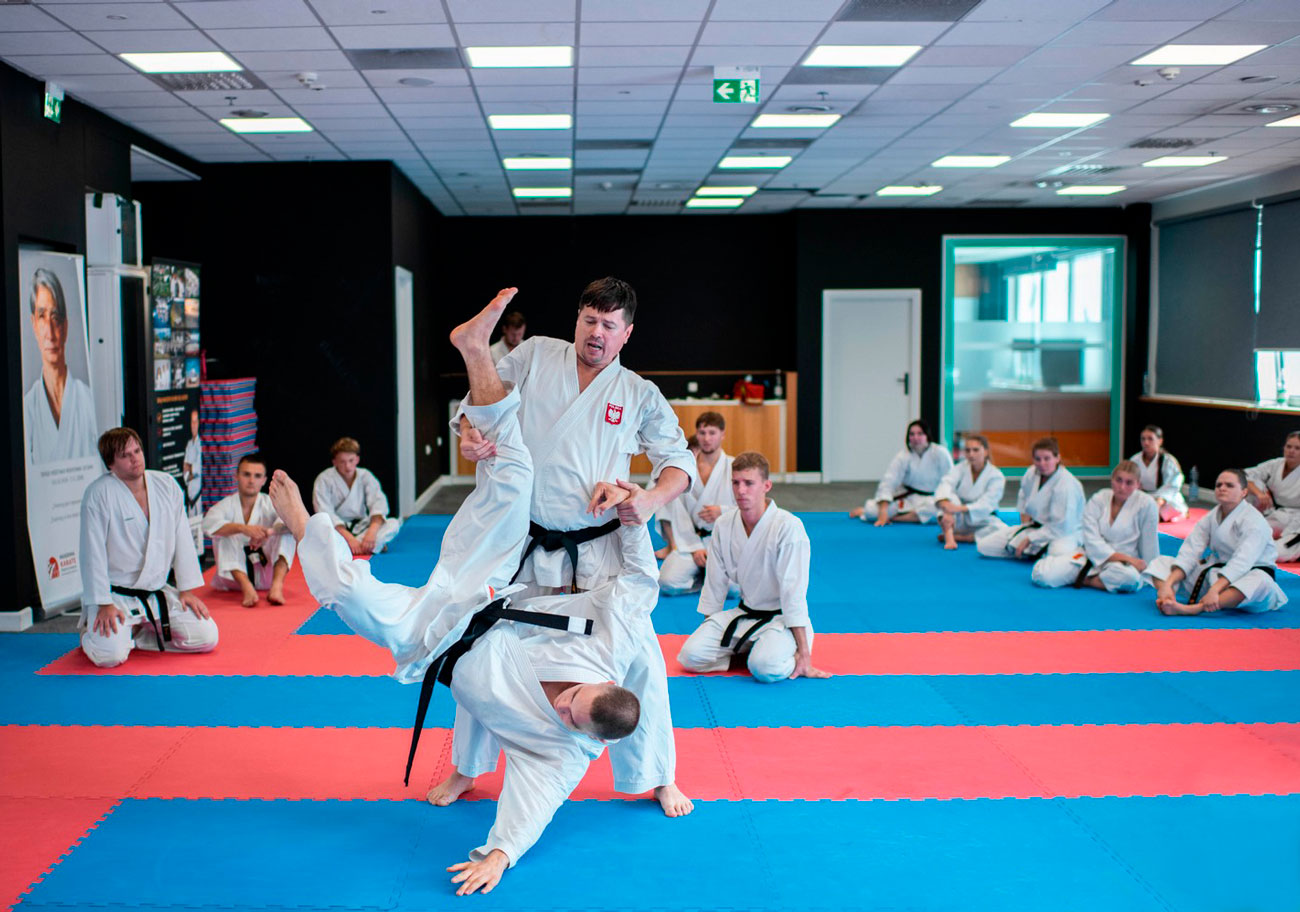
Technical refinement © Joanna Musiał / PUKT
National-level support, however, does not replace the work carried out throughout the year by club instructors. The staff travelling to Egypt will comprise six professionals, described in the interview as five coaches and one ITKF trainer, without details of their individual responsibilities.
“I would also like to highlight the importance of the coaches who remain in Poland and work with the athletes throughout the year. National team preparation cannot replace club training. It depends on it. The national team is therefore the result of cooperation between the central training structure and the clubs.”
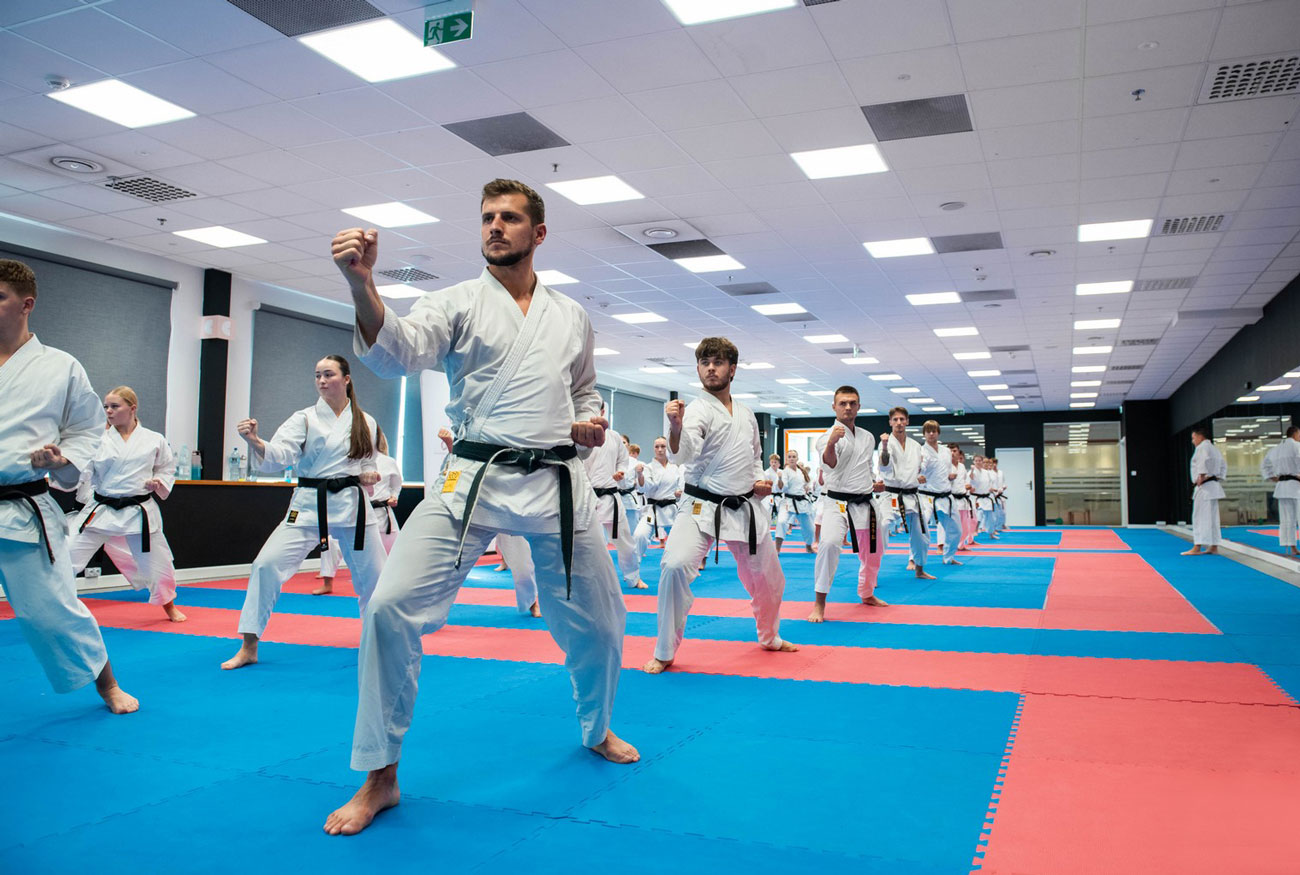
Mixed kata training © Joanna Musiał / PUKT
The scale of the trip reflects the aim of bringing different generations together in a single delegation. The anticipated 100 athletes will take part in the World Championships and the Children’s World Cup, forming a group that extends beyond the senior team and includes developing competitors.
Alongside the athletes, Anna Kulczyńska lists ten ITKF referees, six coaching staff members, the PUKT President, herself—also identified in the interview as Vice-President of ITKF Europe—and 32 family members and supporters. The breakdown provided totals 150 people.
“We are preparing a delegation of approximately 150 people. The flights have already been purchased and the hotel is booked,” Anna reports.
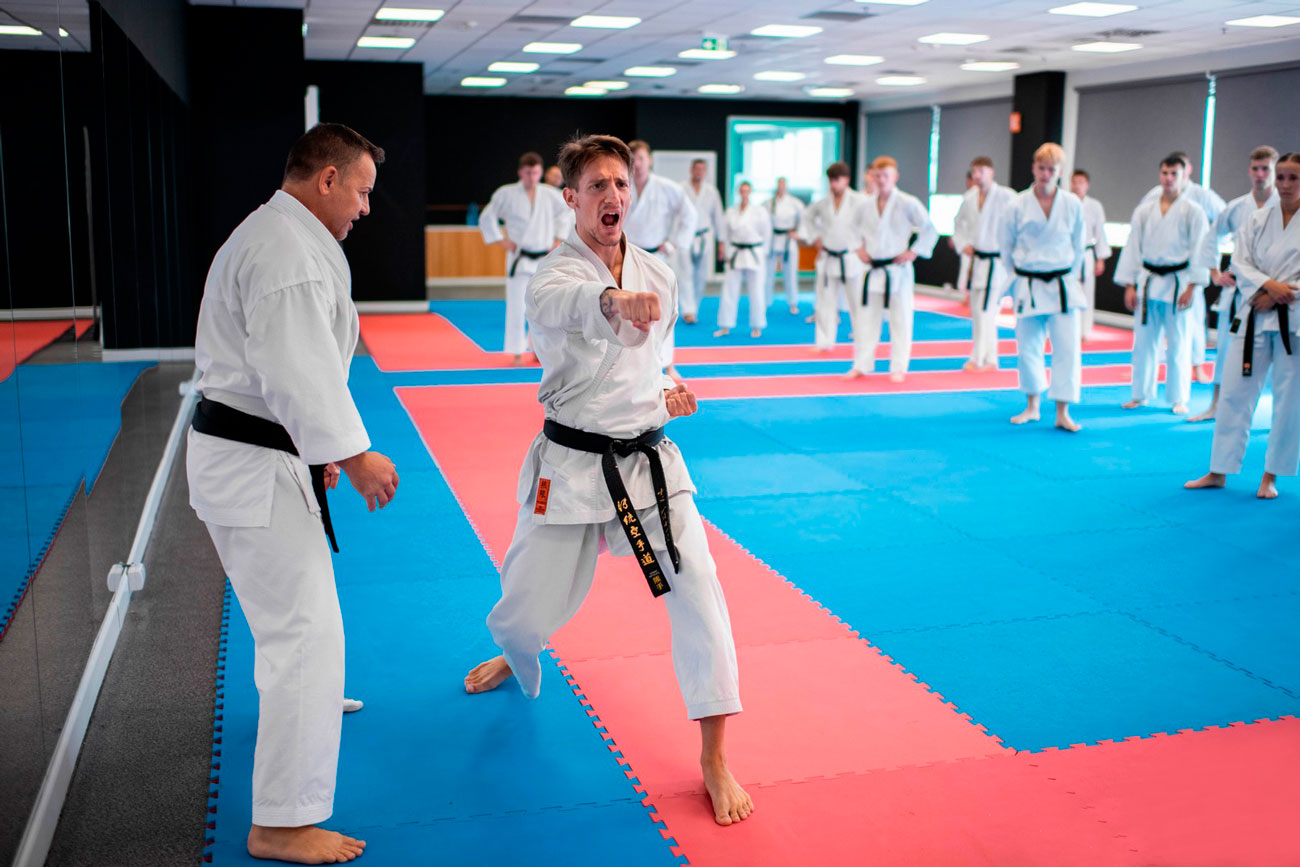
Refining kata technique © Joanna Musiał / PUKT
For Janusz, taking a large delegation is part of a long-term approach. More athletes were involved in the selection process than are expected to travel, although he did not specify the total number who took part in the preparations.
“We are not preparing only an elite senior team. We are building a national delegation that includes different generations and creates continuity for the future.”
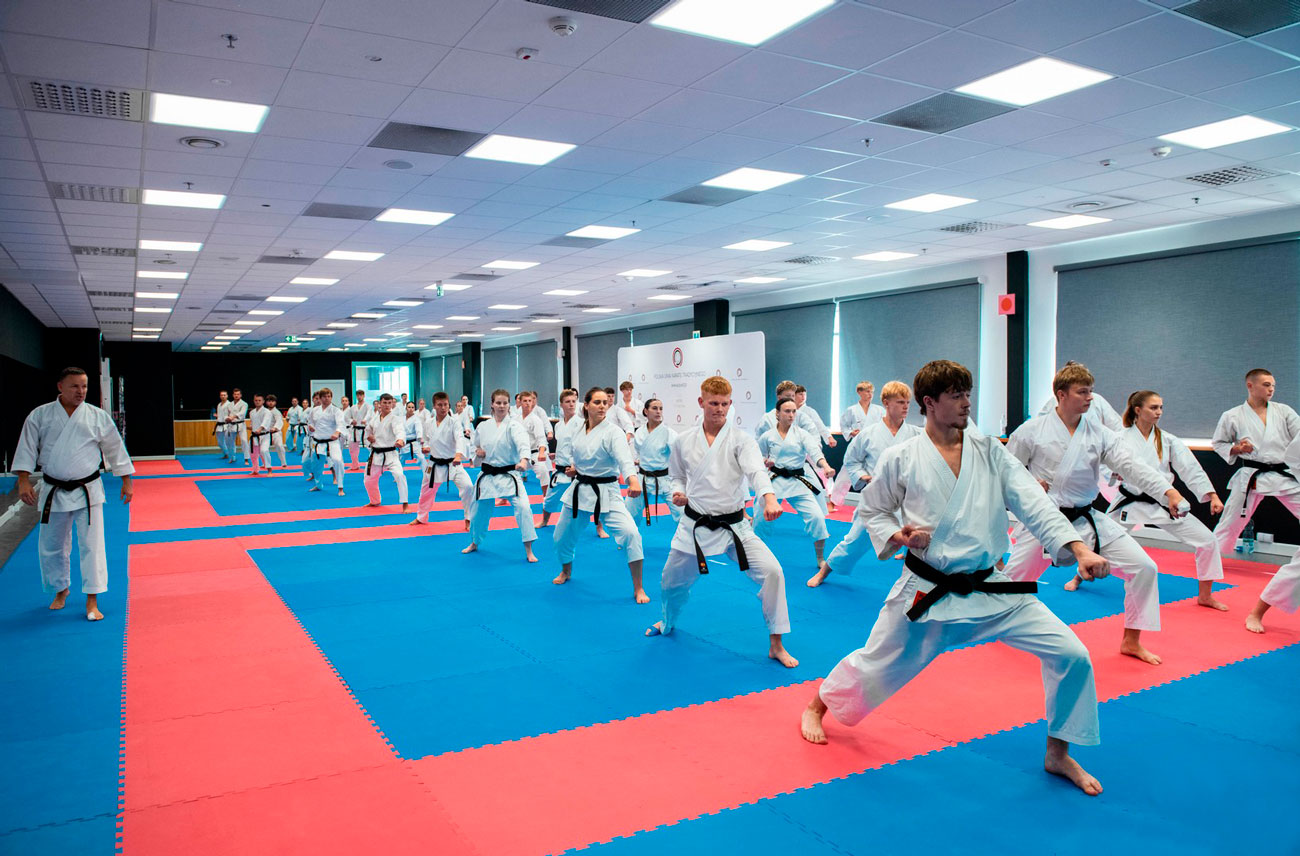
Mixed kata training © Joanna Musiał / PUKT
In the final stretch, technical work focuses on the quality of execution. Precision, timing, distance, speed, dynamics and tactical decisions are among the priorities. The aim is to consolidate the skills already developed so that athletes can use them when competitive demands are at their greatest.
This approach also defines what should be avoided in the final stages of preparation: major changes or the introduction of too much new material. The coaching staff seek to make performance more consistent and reliable.
“An athlete needs to be able to perform at their highest level when the pressure is greatest. We are no longer trying to change everything. We are refining what they already have and making it reliable,” says Janusz.
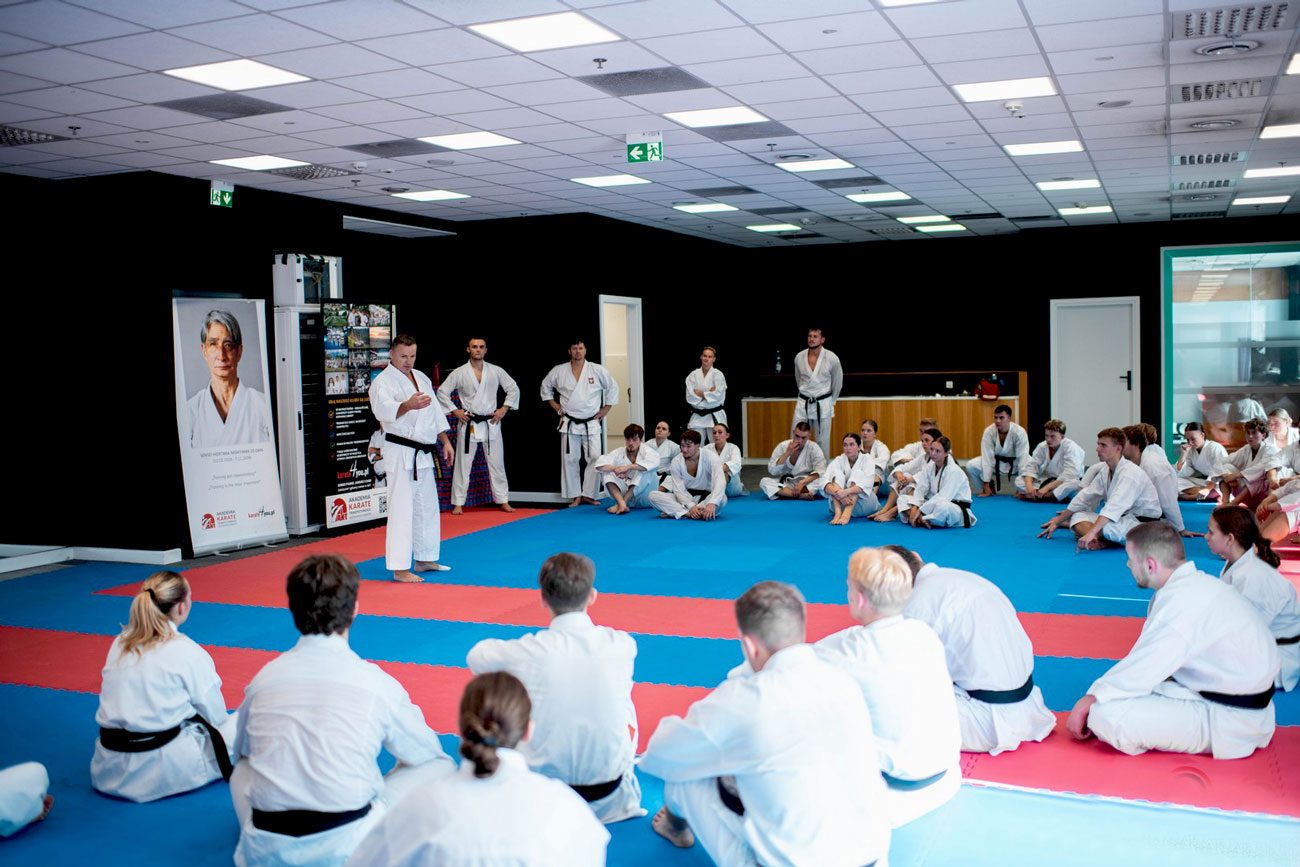
Sensei Paweł Janusz guides athletes from the Polish national team © Joanna Musiał / PUKT
Poland sees opportunities across different events. According to the president, the performance in Portugal demonstrated competitiveness in kata, kumite, fukugo and team events. This breadth underpins the ambition to climb the standings, but does not translate into a promise of medals.
“I do not like to talk about guaranteed medals. At a World Championships, every bout and every performance must be earned. Our goal is to prepare each athlete to fight for the best possible result.”
The pursuit of consistency also involves physical fitness, training load management, recovery and injury prevention. Janusz describes the use of sporting and psychological assessments during preparations, as part of an approach that seeks to understand the athlete beyond technical execution.
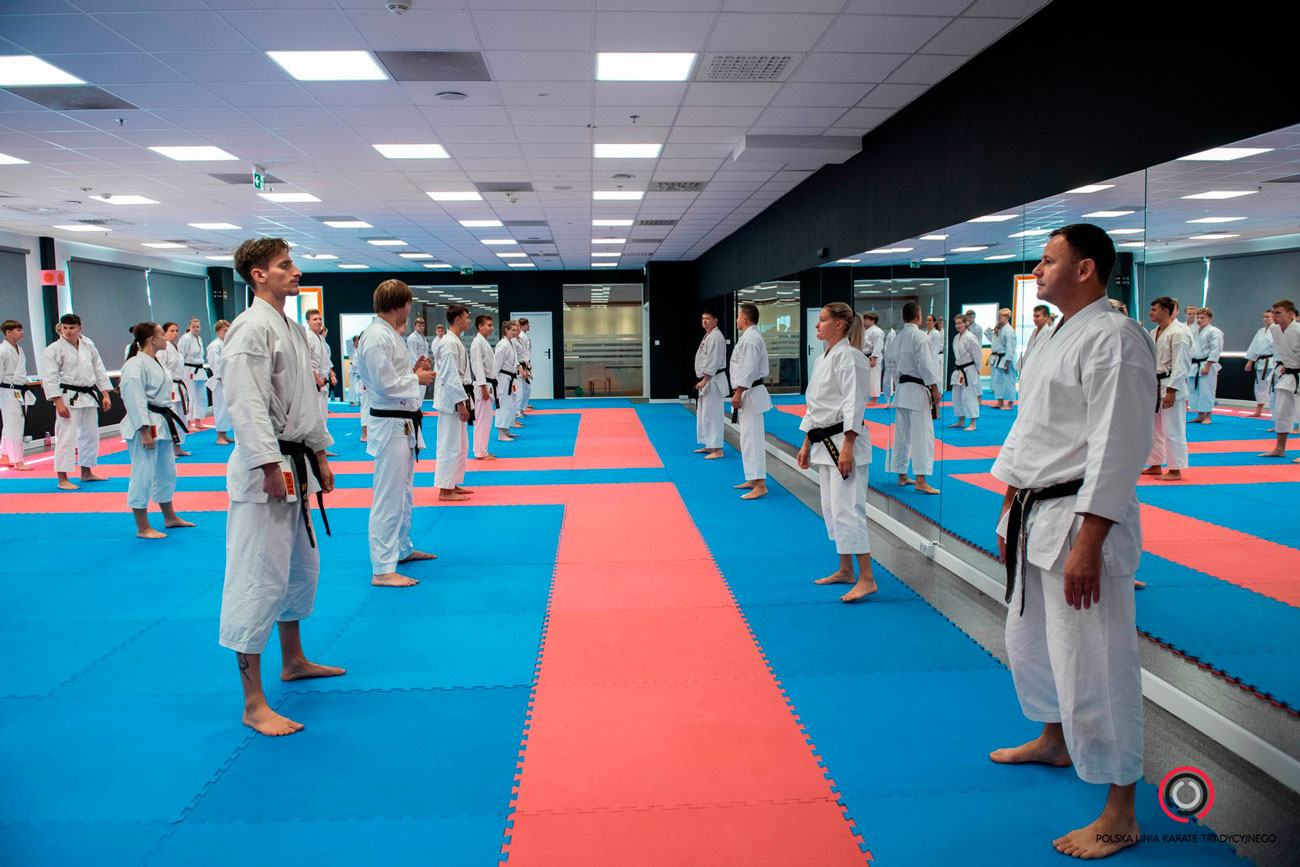
Instructors lead the training session © Joanna Musiał / PUKT
As the competition approaches, the balance between training stimulus and recovery becomes more important. The aim is to prevent accumulated fatigue from stopping competitors from delivering what they have developed throughout the cycle.
“A tired or injured athlete cannot show their true level. The final weeks are therefore devoted to finding the right balance between stimulus and recovery.”
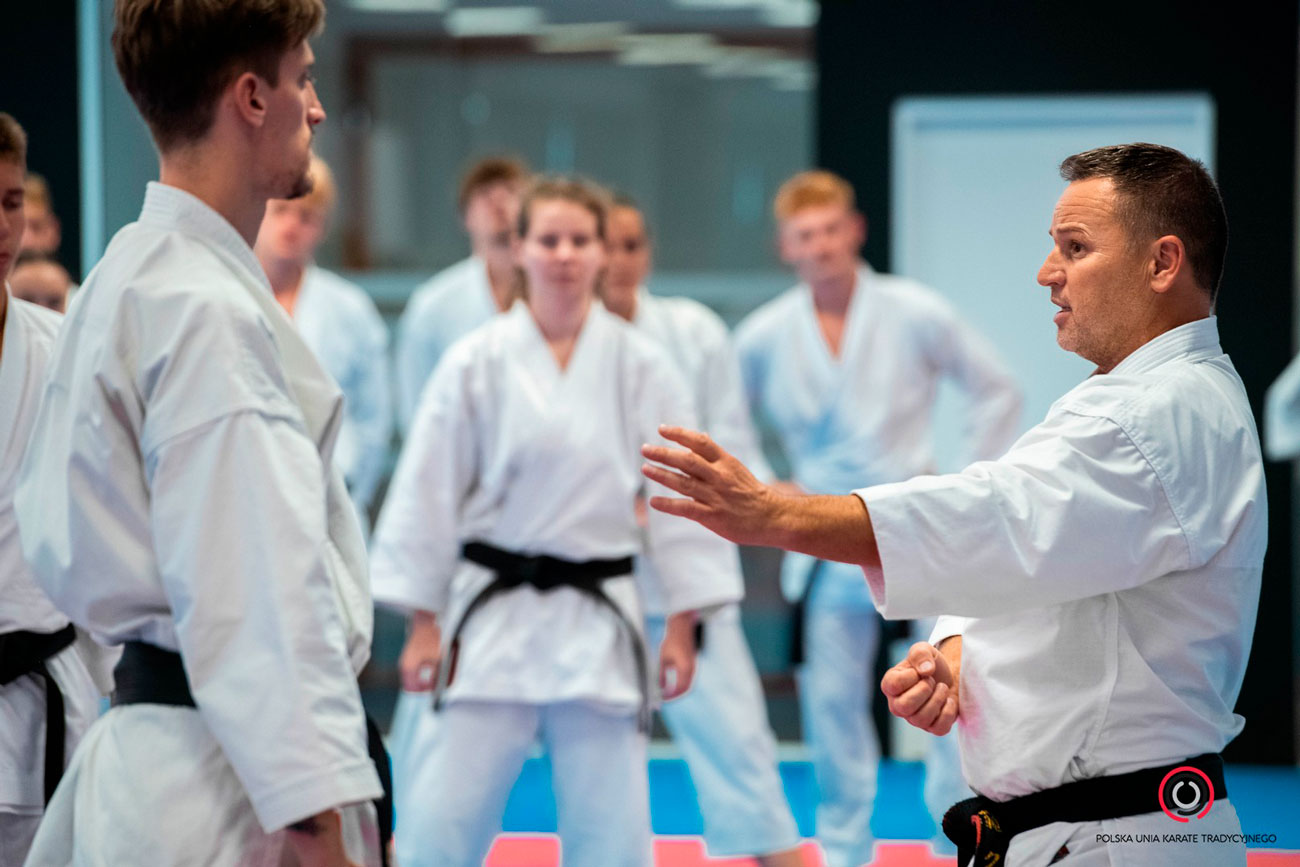
Sensei Paweł Janusz makes technical adjustments © Joanna Musiał / PUKT
Video analysis is also part of the work. It allows the team to study its own athletes and international opponents, identifying patterns and details that may go unnoticed during a competition. For Janusz, technology expands the information available, but interpreting it remains the coach’s responsibility.
“Traditional karate has a very profound technical and human dimension. We should therefore use modern technology without losing the essence of the discipline.”
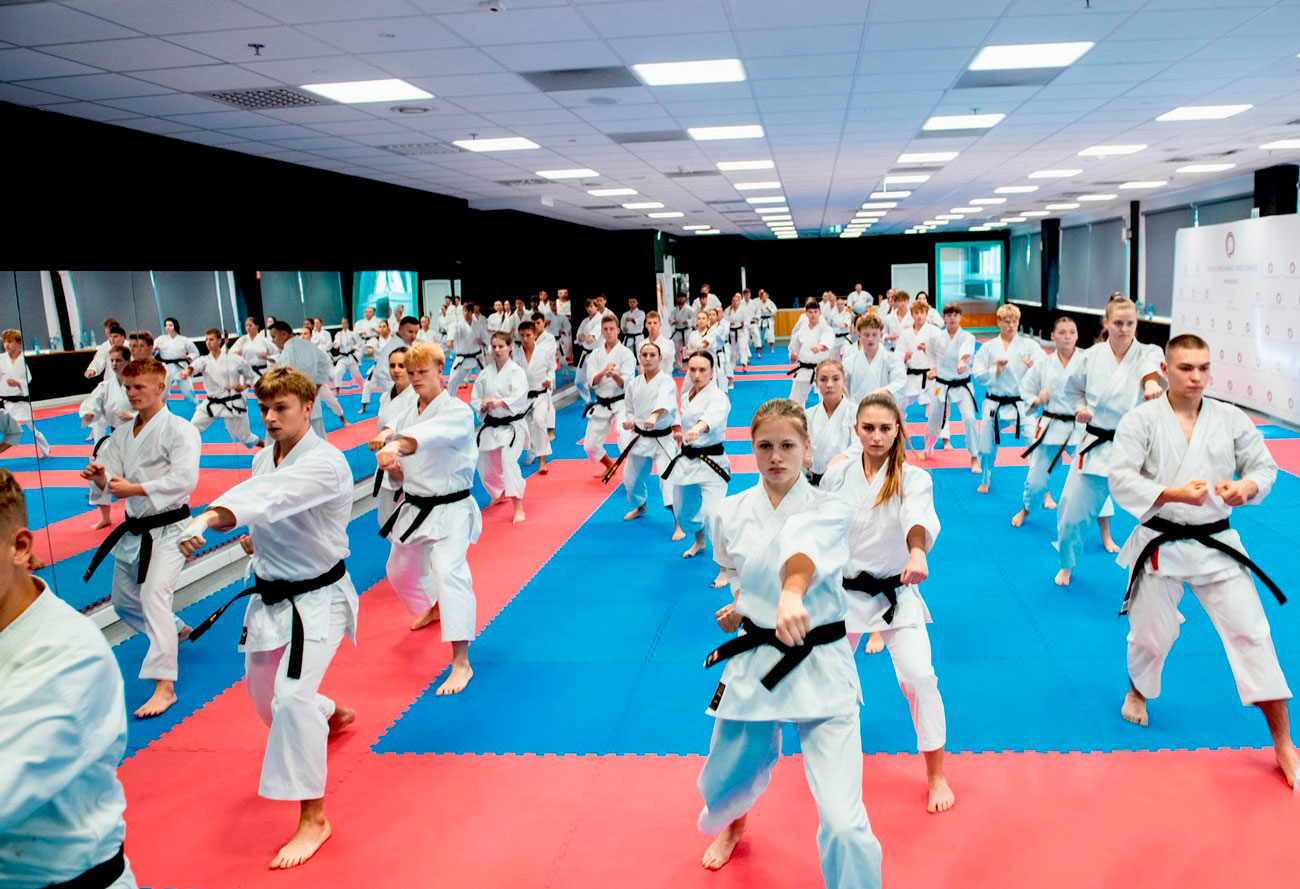
Mixed kata training © Joanna Musiał / PUKT
The interaction between generations is one of the central elements of the preparations described by Anna Kulczyńska. The most experienced athletes bring knowledge gained in situations that training alone cannot reproduce: the pressure of a World Championships, the frustration of defeat and the responsibility of handling success.
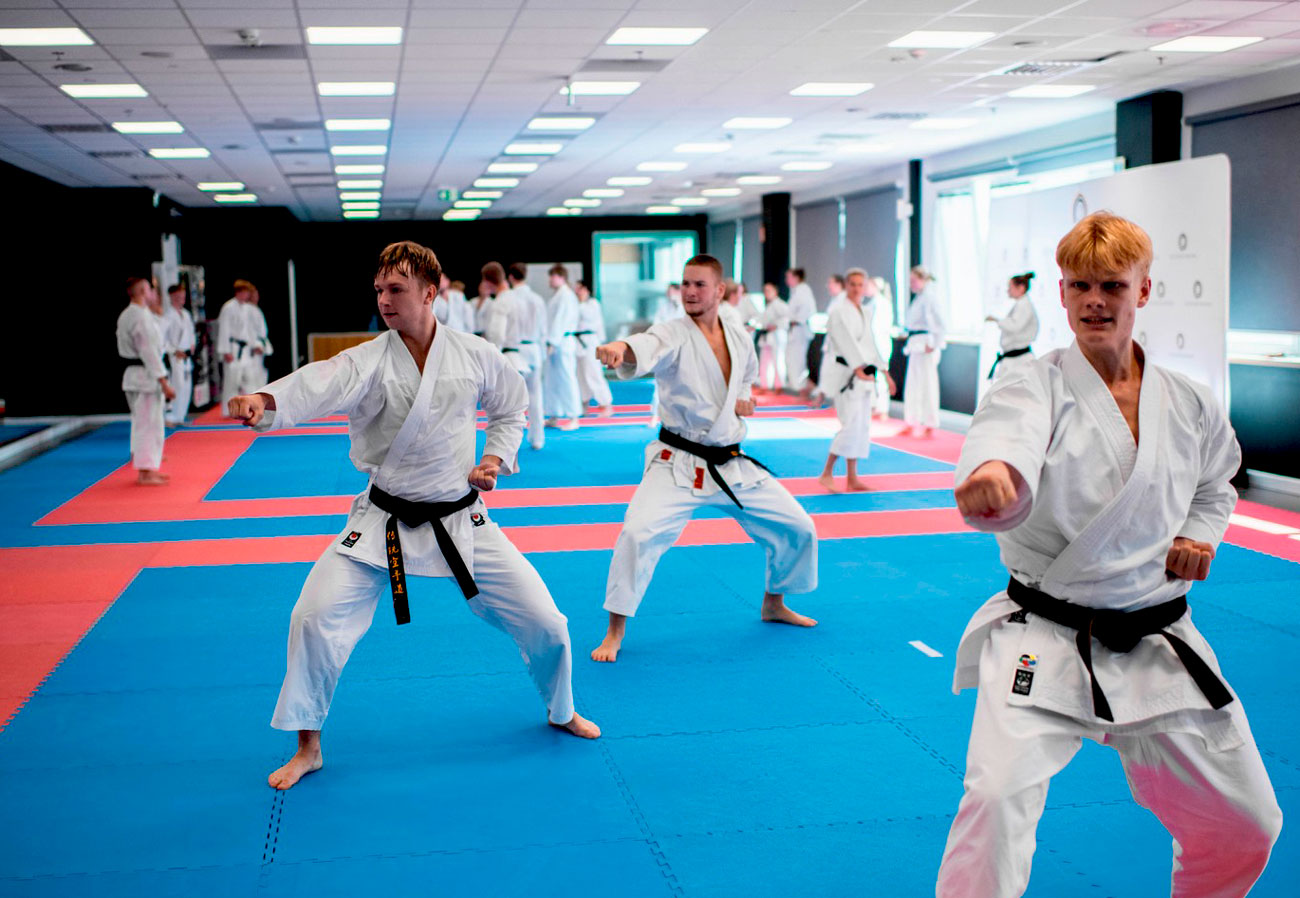
Men’s team kata © Joanna Musiał / PUKT
The challenge is to share that experience, allowing younger athletes to learn and find room to develop their own paths. The team’s continuity depends both on retaining established role models and on developing new leading figures.
“Experienced athletes carry knowledge that cannot be learned from a training manual. Young athletes need access to that experience. At the same time, the more experienced athletes also have a responsibility to make room for the next generation,” says Anna.
“We should not simply recreate the team from Portugal. We should build the team Poland will need in the future.”
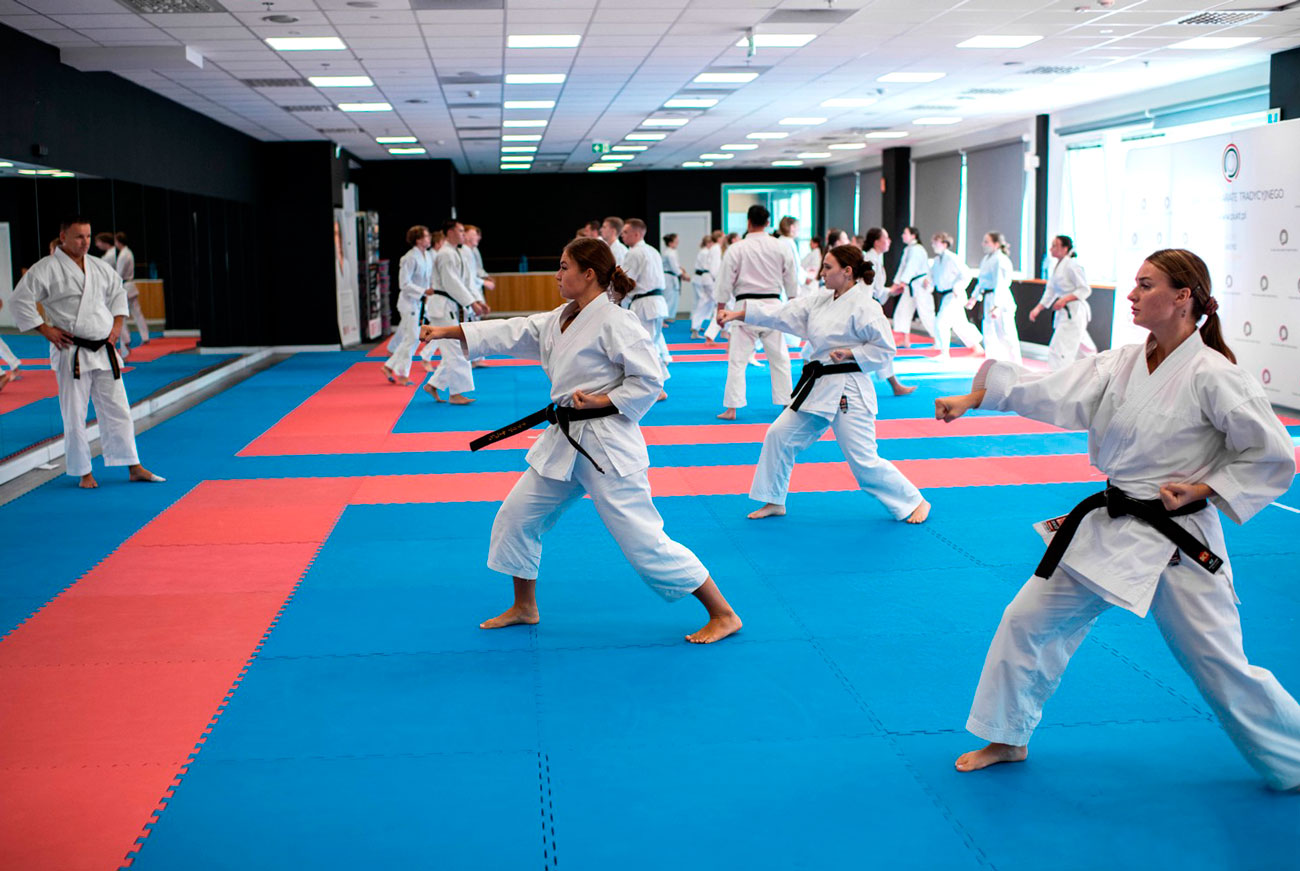
Women’s team kata © Joanna Musiał / PUKT
This perspective relates to the main challenge identified by Janusz: increasing the number of athletes capable of competing consistently at international level. In his view, bringing together a few good competitors is different from maintaining a structure that produces results across several categories and successive generations.
The second challenge is to reconcile current knowledge of sports preparation with the principles of traditional karate. Technique, discipline, etiquette, respect and the legacy of Professor Hidetaka Nishiyama remain guiding references for this work.
“We need to preserve the principles of traditional karate while using contemporary knowledge of sports preparation. I believe this balance is one of the keys to our future.”
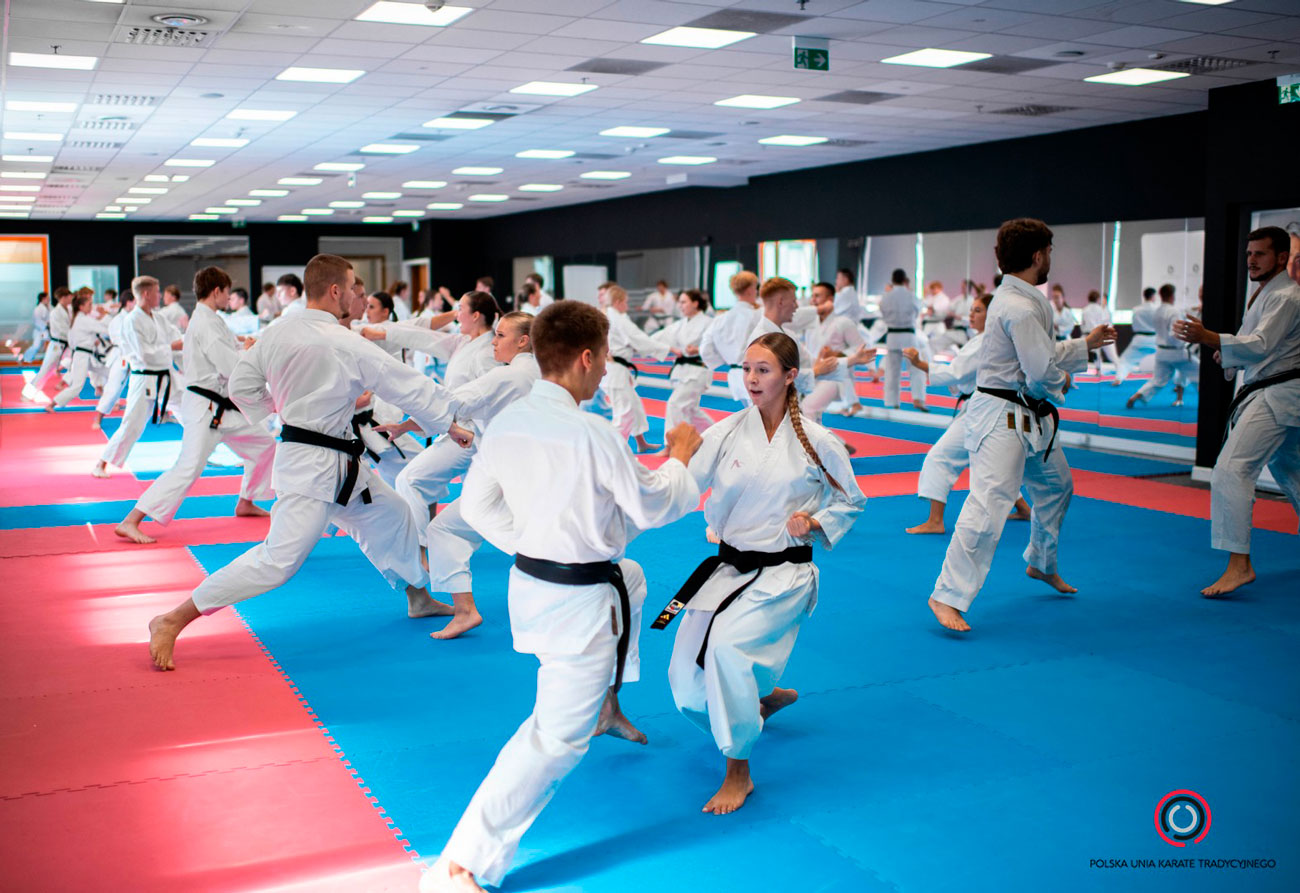
Kumite training © Joanna Musiał / PUKT
Third place in Portugal raised expectations for the Polish team. Janusz recognises that responsibility, but seeks to prevent it from becoming pressure that could hold the athletes back. In his view, the response should lie in the quality of preparation and the support offered to each team member.
To move ahead of Egypt and Brazil, the president calls for greater consistency across the delegation and the ability to deliver top-level results through more athletes and in more events. The ambition to reach the top is tied to collective development, without depending on a single name or an isolated technical solution.
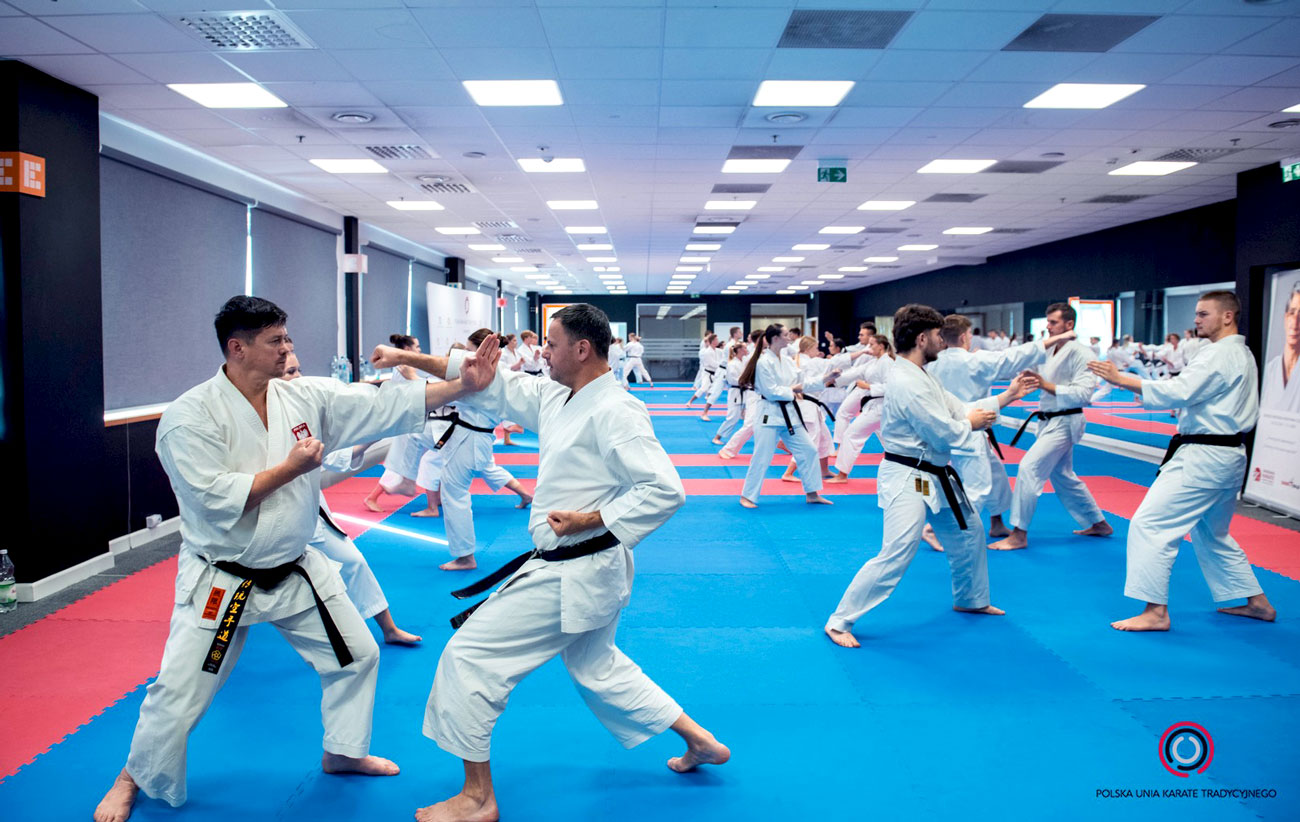
Kumite training © Joanna Musiał / PUKT
“We know what we achieved in Portugal, but we also know we can do more. Our responsibility is to prepare properly, support the athletes and provide the best possible conditions for them to compete.”
The overall standings will be the combined outcome of individual performances and team events. Janusz therefore prefers to focus on each representative’s ability to execute what they have prepared.
“Our task is to prepare each athlete so that, when they step onto the tatami, they are able to give their all. If we do this consistently across the delegation, we will have a real opportunity to compete for the top of the standings.”
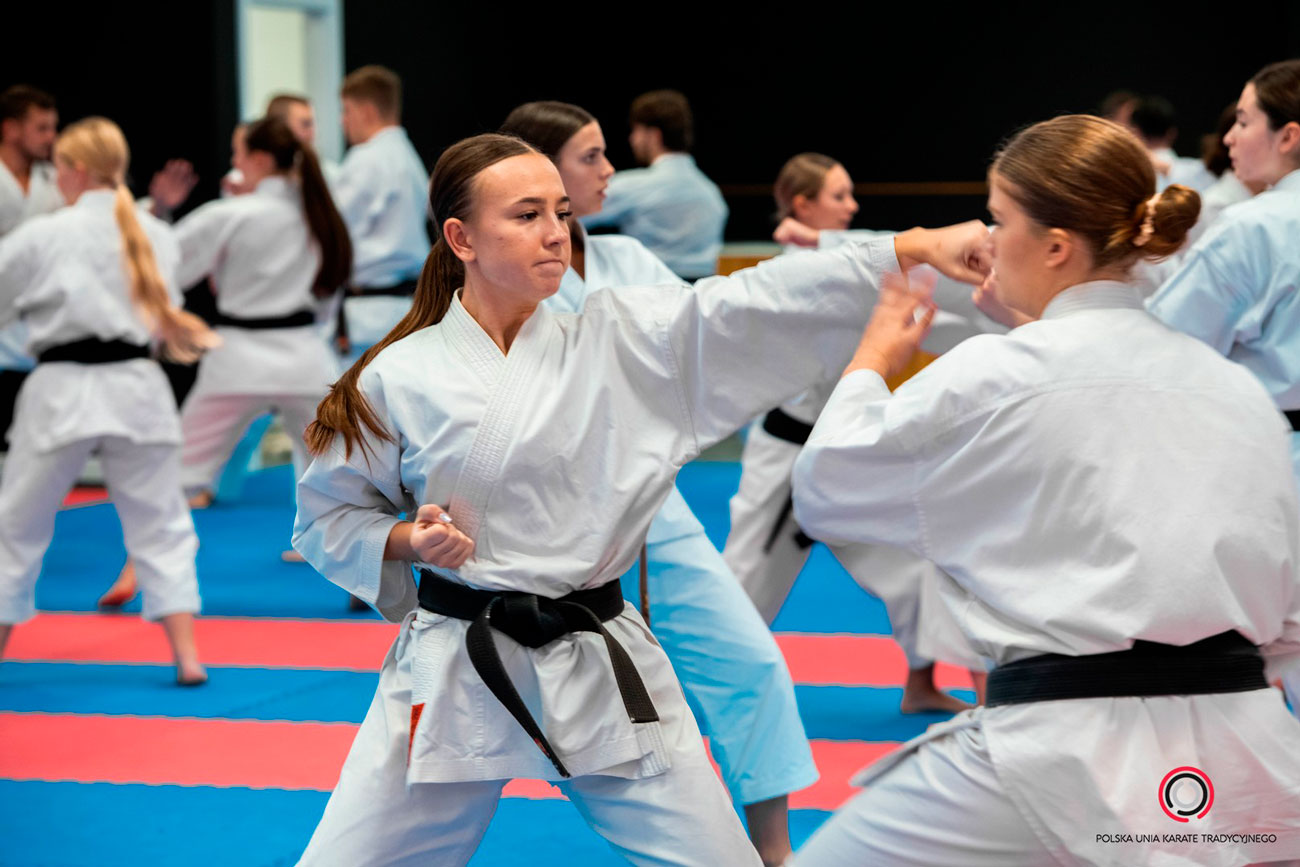
Kumite training © Joanna Musiał / PUKT
For Anna, the assessment of the World Championships should also consider the development of Poland’s traditional karate community. The presence of athletes, coaches, referees, officials, family members and supporters enables the sharing of experiences whose impact can continue after the trip.
Refereeing has a particular place in this assessment. According to her, Poland has a growing group of international referees, and participation in events of this scale contributes to their development, with the benefits subsequently reaching national courses, seminars and competitions.
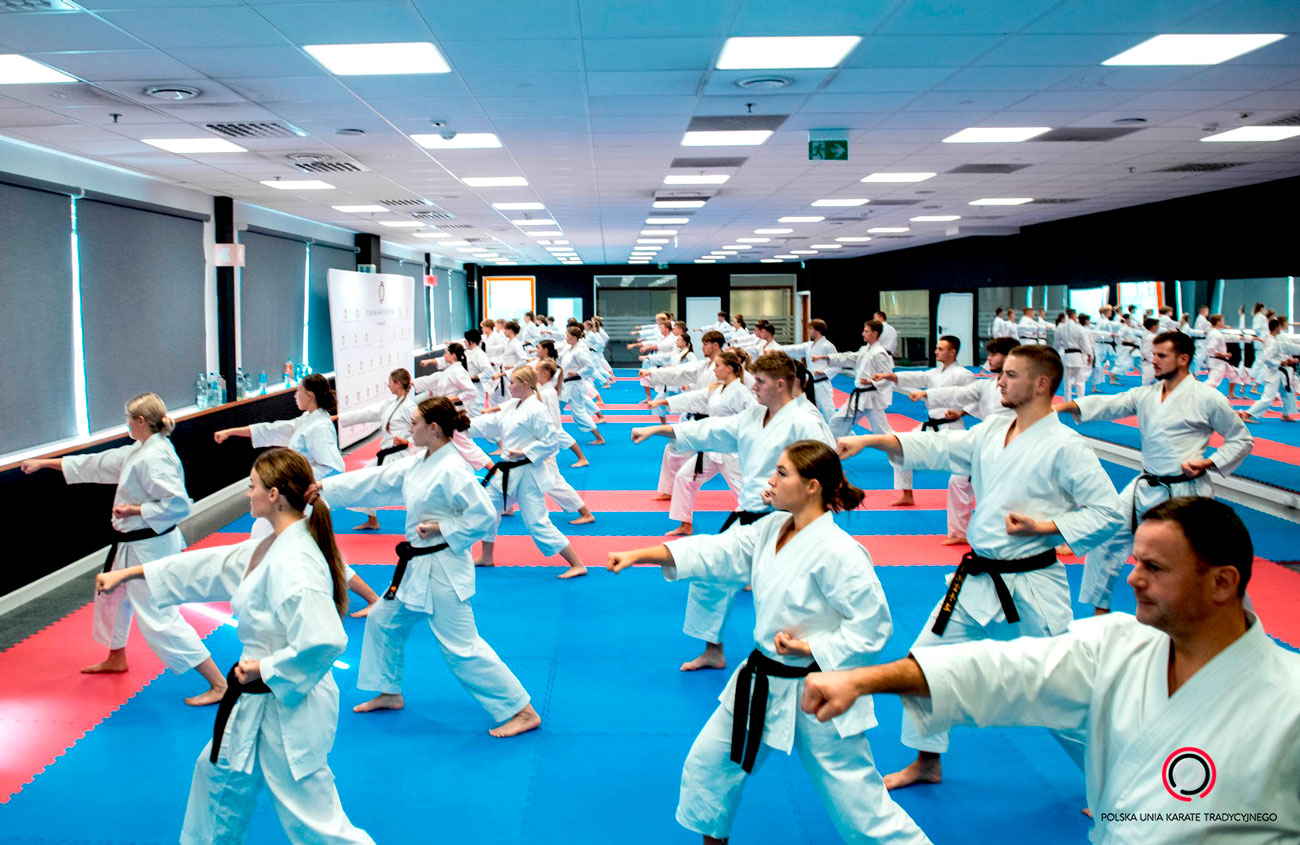
Kata training © Joanna Musiał / PUKT
“I would like us to return from Cairo stronger as a community, in technical, organisational and human terms. The development of our referees is also part of that success. This knowledge feeds back into our courses, seminars and local competitions. The outcome of a World Championships is not only what appears in the medal table.”
Janusz’s final message combines sporting ambition with recognition of the work done before departure. Each athlete arrives in Egypt with individual goals, but supported by coaches, teammates, clubs and families. It is on this collective effort that the PUKT President seeks to build the team’s confidence.
“The athletes have already put in thousands of hours of work. Now they need to trust that work. When they step onto the tatami, they should not think about the medal table or what other countries are doing. They should focus on carrying out their task as well as possible.”
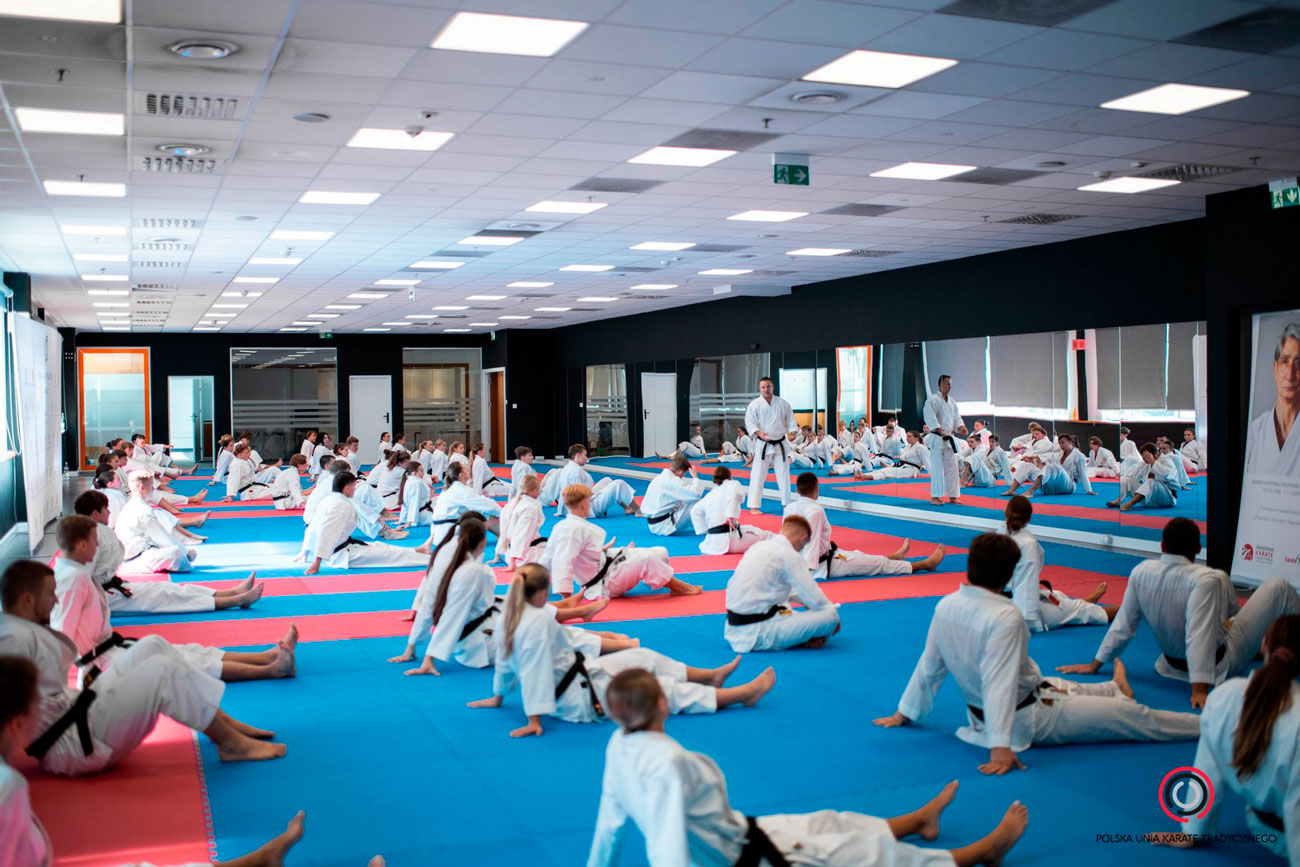
Sensei Paweł Janusz guides the team after training © Joanna Musiał / PUKT
In thanking those who contributed to the preparations, Janusz recalls that a national team begins to take shape long before the World Championships, in dojos, clubs, families and every training session.
“I want everyone to remember that no one is going to Cairo alone. We are going as a team. Every athlete has a goal. Every coach has a responsibility. Every referee, official, family member and supporter has an important role. We are going to Cairo as one Polish team. One hundred and fifty people. One team. One flag. One goal. Poland is ready for Cairo.”
13 de outubro de 2026
12 de outubro de 2026
11 de outubro de 2026